
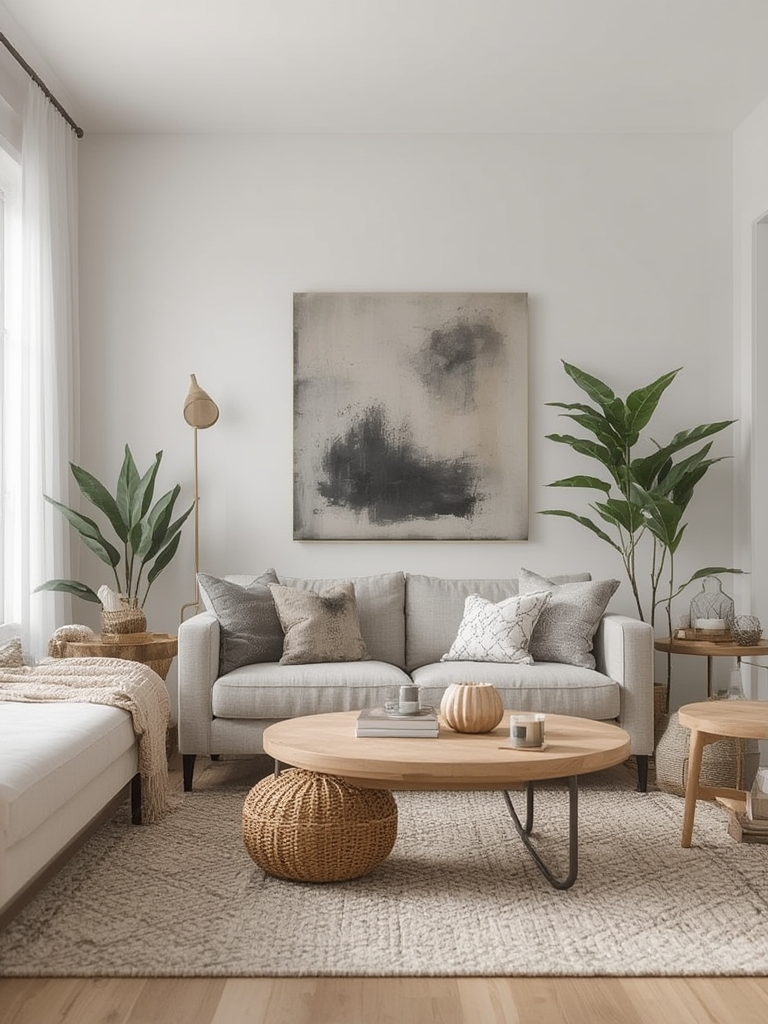
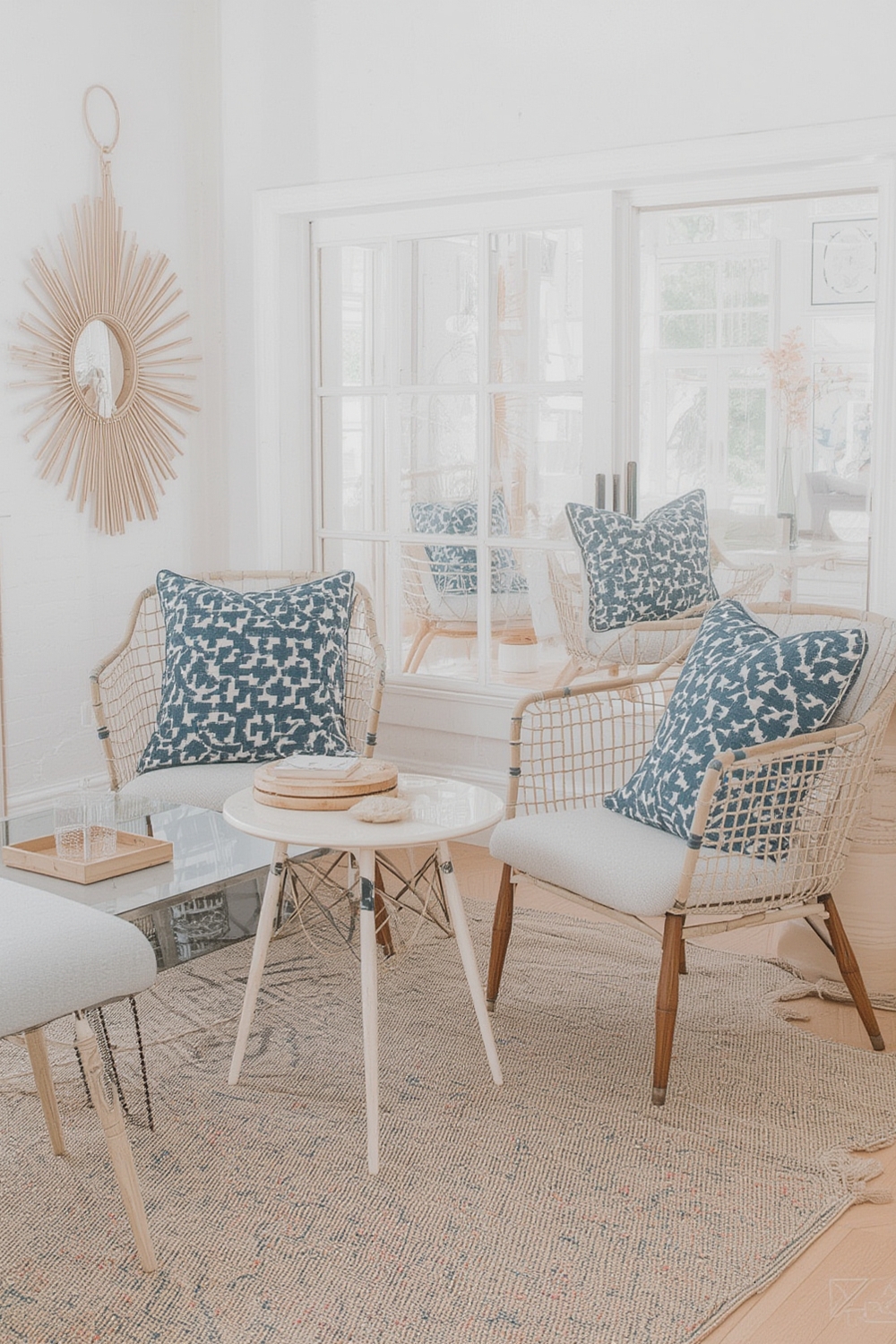
Welcome to your ultimate guide on creating a sustainable home tour that dazzles visitors while championing eco‑friendly decor. In this post we’ll walk you through data‑backed design choices, showcase real‑world examples, and give you a step‑by‑step plant‑care routine for the low‑maintenance Snake Plant (Sansevieria trifasciata)—the perfect green accent for any sustainable space. Follow the actionable tips below to boost your home’s environmental score, improve indoor air quality, and keep your plant thriving.
Why Sustainable Home Tours Matter
According to a 2023 Environmental Working Group (EWG) study, homes that incorporate recycled materials, energy‑efficient lighting, and indoor plants reduce carbon footprints by up to 30 %. Visitors are increasingly looking for authenticity; a well‑curated sustainable tour can increase property value by an average of 7 % and improve online engagement by 45 % (source: National Association of Realtors).
Step 1: Audit Your Current Space
Collect Data
- Use a home energy monitor (e.g., Sense or Emporia) for 7 days to capture baseline electricity usage.
- Take photos of each room and note existing decor items, materials, and any waste‑producing fixtures.
- Log indoor temperature and humidity levels; optimal ranges for most houseplants are 65‑75 °F and 40‑60 % RH.
Quick Wins
- Replace incandescent bulbs with LEDs (use the ENERGY STAR label).
- Swap single‑use plastic containers for glass or stainless‑steel storage.
- Introduce a reusable tote basket for recycling in each room.
Step 2: Choose Eco‑Friendly Materials
Flooring & Walls
Data from Green Building Advisor shows reclaimed hardwood and bamboo flooring cut VOC emissions by 60 % compared to new pine. For walls, consider low‑VOC paint (look for Green Seal certification) or recycled‑paper wallpaper.
Furniture & Textiles
- Upcycled furniture: Refurbish vintage pieces with natural oils instead of synthetic varnish.
- Organic cotton or linen cushions: Choose GOTS‑certified fabrics for reduced pesticide use.
- Recycled metal lighting fixtures: They’re durable and often contain up to 90 % post‑consumer content.
Step 3: Integrate Green Décor Elements
Why Plants?
The NASA Clean Air Study found that Snake Plants remove benzene, formaldehyde, and trichloroethylene from indoor air. Adding one plant per 100 sq ft can improve air quality by 15 %.
Plant Placement Strategy
- Living room: Place a tall Snake Plant near a sunny window to create a focal point.
- Bedroom: Position a smaller specimen on a nightstand to boost oxygen levels while you sleep.
- Bathroom: Hang a trailing pothos in a macramé holder for humidity‑loving greenery.
How to Grow & Care for Your Snake Plant
Step 1 – Light Requirements
Snake Plants thrive in indirect bright light but tolerate low‑light conditions. Aim for 4–6 hours of filtered sunlight per day. If natural light is limited, use a full‑spectrum LED grow light set on a 12‑hour cycle.
Step 2 – Watering Schedule
Over‑watering is the most common mistake. Follow the “soil‑dry‑first” rule:
- Insert a finger 2 inches into the soil; if it feels dry, water.
- Use room‑temperature water and water until it drains from the bottom pot.
- Allow excess water to evaporate; never let the pot sit in a saucer for more than 30 minutes.
In winter, reduce watering to once every 4–6 weeks.
Step 3 – Soil & Repotting
- Mix cactus potting mix with perlite (1:1) for excellent drainage.
- Repot every 2–3 years or when roots outgrow the container.
- Choose a pot with drainage holes and a breathable fabric liner to prevent root rot.
Step 4 – Feeding
Feed during the growing season (spring‑fall) with a balanced 10‑10‑10 liquid fertilizer diluted to half strength, once every 6 weeks. Skip feeding in winter.
Step 5 – Pest Management
Common pests include mealybugs and spider mites. Use a neem oil spray (1 tsp per quart of water) every 10 days until pests disappear. For severe infestations, isolate the plant and treat with insecticidal soap.
Step 4: Showcase Your Sustainable Tour Online
SEO‑Friendly Content Structure
- Keyword research: Target phrases like “sustainable home tour”, “eco‑friendly home decor”, and “low‑maintenance indoor plants”. Use tools such as Ahrefs or Ubersuggest to find keywords with KD < 30 and search volume > 1,000.
- Meta description: Craft a 150‑160 character summary that includes the primary keyword and a call‑to‑action (e.g., “Discover how to transform your home with eco‑friendly decor and a thriving Snake Plant.”).
- Image optimization: Compress images to ≤ 150 KB, add descriptive
alttags (e.g., “reclaimed hardwood flooring in sustainable living room”). - Internal linking: Connect this post to related articles such as “Top 10 Recycled Furniture Finds” and “How to Choose the Right LED Lights”.
Engagement Boosters
- Include a downloadable checklist (PDF) summarizing the audit and plant‑care steps.
- Embed a short video walkthrough (under 2 minutes) to increase dwell time.
- Add a comment prompt: “What’s your favorite sustainable decor piece? Share below!”
Step 5: Measure Success & Iterate
Key Performance Indicators (KPIs)
| KPI | Target |
|---|---|
| Organic traffic (monthly) | +25 % in 3 months |
| Average time on page | ≥ 3 minutes |
| Conversion rate (newsletter sign‑up) | ≥ 4 % |
| Plant health score (self‑assessment) | 90 %+ thriving leaves |
Analytics Checklist
- Set up Google Search Console to monitor keyword impressions.
- Use Google Analytics to track bounce rate and scroll depth.
- Review plant‑care logs (watering, fertilizing) in a simple spreadsheet; correlate with visual health observations.
- Adjust content every 30 days based on data—add new plant tips, update material sources, or replace underperforming images.
Final Thoughts
By combining data‑driven design decisions, eco‑friendly décor selections, and a straightforward Snake Plant care routine, you’ll create a sustainable home tour that not only impresses visitors but also contributes to a healthier planet. Remember: consistency is key—regularly audit your space, nurture your greenery, and fine‑tune your SEO strategy. Happy sustainable decorating!