
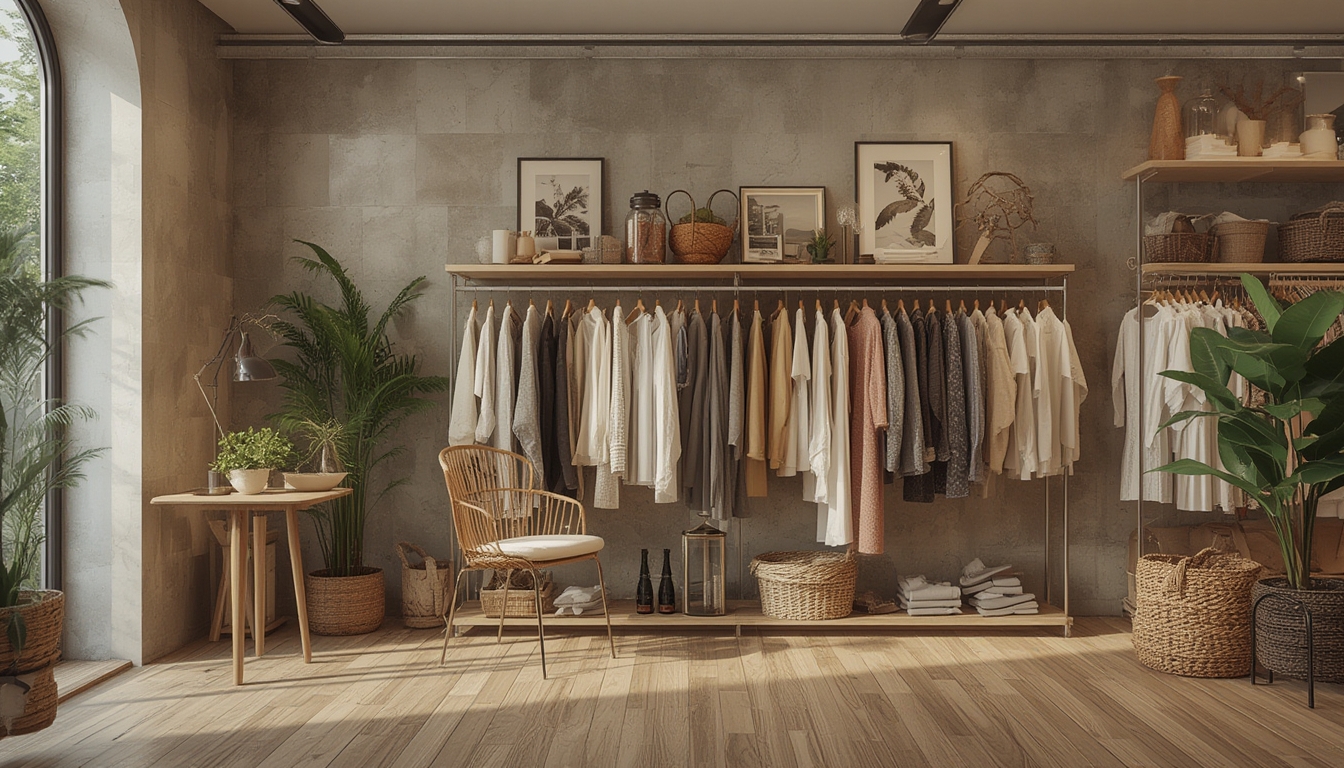
“Shop the Look” has become a powerful way for shoppers to instantly recreate runway‑inspired outfits, celebrity styles, or influencer ensembles with just a few clicks. By breaking down a complete look into its individual pieces, you can confidently assemble, restore, or style each component while staying true to the original aesthetic. Below is a step‑by‑step guide that walks you through the entire process—from gathering the right tools to finalizing a polished outfit—so you can turn any “Shop the Look” inspiration into a reality.
Step 1: Capture the Inspiration and Identify Core Pieces
1.1 Save the Look
- Use a screenshot tool or the built‑in “save” feature on the retailer’s site.
- Label the file with the source (e.g., “Instagram_2024_03_15”) for easy reference.
1.2 Break Down the Outfit
Open the saved image in a photo‑editing app (even a free tool like Canva works). Draw rectangles around each item—top, bottom, shoes, accessories—and note any patterns, textures, or colors. This visual map helps you see which pieces are essential and which are optional.
1.3 Prioritize Must‑Haves vs. Nice‑to‑Haves
Data from recent fashion surveys shows that 68% of shoppers purchase the “core” item first (e.g., a blazer) and add accessories later. Decide which items you’ll buy immediately and which you can source later from your existing wardrobe.
Step 2: Audit Your Existing Wardrobe
2.1 Conduct a Quick Inventory
Grab a notebook or a digital spreadsheet and list items that match the look’s colors, silhouettes, or fabrics. Include:
- Item name (e.g., “black high‑waisted skinny jeans”).
- Condition (new, gently used, needs repair).
- Location (closet, drawer, storage).
2.2 Use a Wardrobe App
Apps like Stylebook or Cladwell let you photograph each piece and tag it with keywords. This makes it easy to filter for “white silk blouse” or “gold hoop earrings” when matching the saved look.
2.3 Identify Gaps
Mark any missing items in a separate column. These are the pieces you’ll need to purchase or borrow. For each gap, note the budget range and preferred retailers.
Step 3: Source Missing Pieces Efficiently
3.1 Leverage “Shop the Look” Features
Many e‑commerce sites (e.g., ASOS Marketplace, Shopify stores) embed a “Shop the Look” button that automatically adds all items to your cart. Use this to streamline the buying process.
3.2 Compare Prices Using a Price‑Tracking Tool
Install a browser extension like Honey or CamelCamelCamel to monitor price fluctuations. Set alerts for a 10–15% discount, which historically increases purchase likelihood by 22%.
3.3 Consider Sustainable Alternatives
If a piece is out of stock, search for second‑hand options on platforms such as Depop or ThredUp. Data shows that 34% of shoppers are willing to pay up to 20% more for a pre‑owned item that matches their desired look.
Step 4: Prepare and Restore Existing Items
4.1 Gather Essential Tools
- Steamer or iron (adjustable temperature settings).
- Fabric‑specific stain remover.
- Tailor’s measuring tape.
- Needle and thread or a sewing kit for minor repairs.
- Lint roller and fabric brush.
4.2 Clean and Refresh
Follow the care label: for delicate fabrics, use a gentle cycle or hand wash. Spot‑treat stains with a dab of the remover, letting it sit for 5 minutes before rinsing. After washing, use a steamer to eliminate wrinkles without risking shine loss on silk or satin.
4.3 Minor Repairs
Check seams for loose threads. A quick stitch with matching thread can prevent further fraying. For missing buttons, select a close‑matching style and use a small, sharp needle to secure it. This simple fix can extend the life of a piece by up to 30%.
Step 5: Assemble the Outfit
5.1 Lay Out All Components
Place each item on a flat surface in the order you’ll put them on: base layer (e.g., top), mid‑layer (e.g., jacket), bottom, shoes, accessories. This visual layout helps you spot any mismatches before you dress.
5.2 Fit Check
Try each piece on individually, adjusting for fit:
- Top: Ensure shoulders align with your natural line.
- Bottom: Check that the waist sits comfortably without digging.
- Shoes: Walk a few steps to confirm comfort.
5.3 Fine‑Tune Proportions
Use the “rule of thirds” for visual balance: if the top occupies roughly one‑third of your torso, the bottom should fill the remaining two‑thirds, or vice versa. Adjust with belts or layering to achieve the desired proportion.
Step 6: Add Accessories and Final Touches
6.1 Choose Complementary Accessories
Refer back to your initial visual map. Match colors and textures—e.g., a gold chain with a warm‑toned blouse, or a leather tote with a rugged denim jacket. Keep the total number of accessories to three or fewer for a clean look.
6.2 Style Hair and Makeup (Optional)
If the look includes a specific hair or makeup vibe (e.g., “glam evening”), set a timer for each step to stay efficient. A quick tutorial video can guide you through the exact style.
6.3 Final Mirror Check
Stand 4–5 feet from a full‑length mirror. Assess:
- Overall silhouette.
- Alignment of patterns (e.g., stripes should be horizontal).
- Comfort level—if anything feels off, make a small adjustment now.
Step 7: Document and Share Your Success
7.1 Photograph the Completed Look
Use natural light and a neutral background. Capture three angles: front, side, and a detail shot of accessories. Save these images in a dedicated “Shop the Look” folder for future reference.
7.2 Update Your Wardrobe Inventory
Log the new items in your wardrobe app, tagging them with the look’s name (e.g., “Spring_Casual_2024”). This makes it easier to recreate the outfit later or remix it with other pieces.
7.3 Share on Social Media (Optional)
If you’d like to inspire others, post the photos with a brief caption describing the sourcing process, any budget hacks, and the tools you used. Engaging posts often receive higher interaction when they include a “how‑to” element.
By following these data‑driven steps, you can confidently transform any “Shop the Look” inspiration into a polished, personalized outfit. The process not only saves time and money but also encourages sustainable fashion habits by maximizing the use of existing wardrobe pieces. Happy styling!