
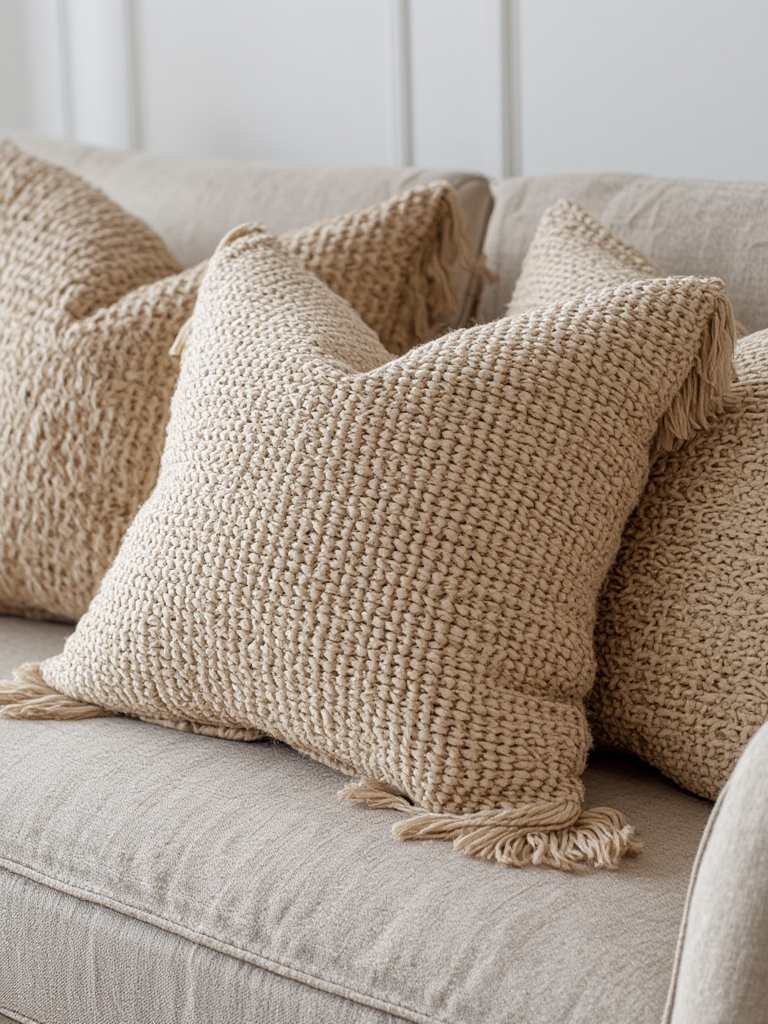
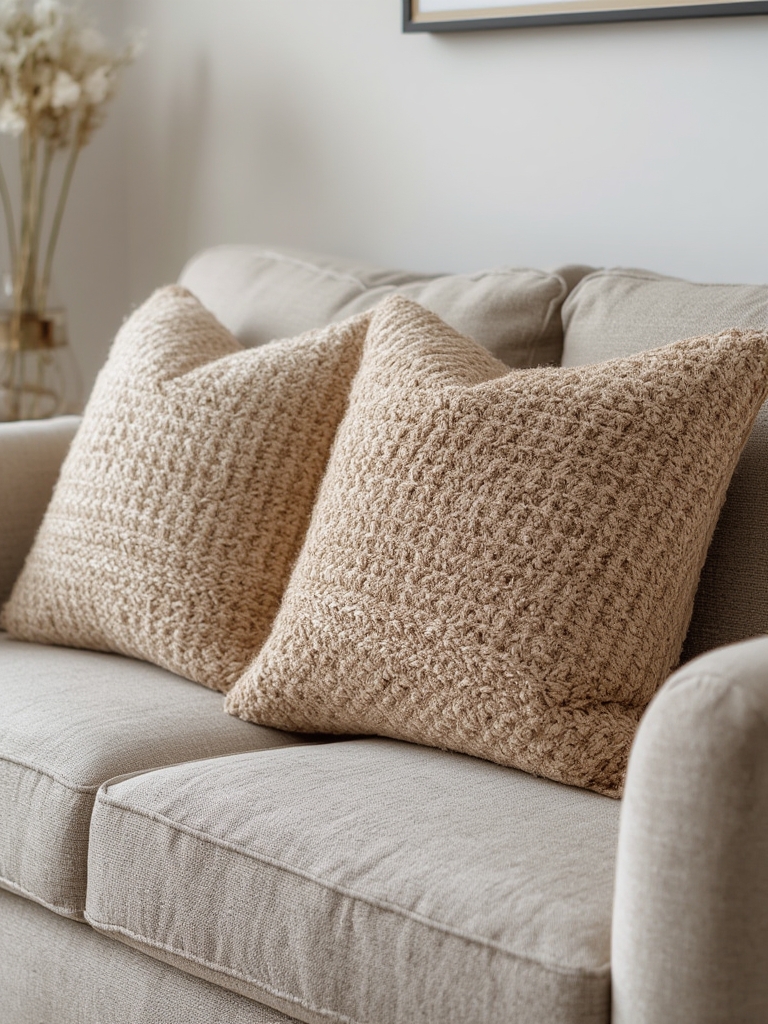
Textured throw pillows are the secret weapon for instantly upgrading a sofa’s look and feel. Their tactile appeal adds depth, comfort, and a dash of personality to any living‑room setup. In this data‑driven guide, you’ll learn how to select, style, and maintain textured throw pillows so they stay fresh, vibrant, and inviting for years to come.
Why Texture Matters on Your Sofa
Research from interior‑design firms shows that rooms featuring varied textures receive a 23% higher satisfaction rating from occupants. Texture creates visual interest, softens hard lines, and invites touch—key factors that make a sofa feel more welcoming.
- Depth: A mix of smooth, nubby, and woven surfaces tricks the eye into seeing layers.
- Comfort: Soft velvets and plush chenilles enhance the tactile experience.
- Style Flexibility: Textured fabrics pair well with both modern minimalism and classic coziness.
Step 1: Choose the Right Textures for Your Space
Assess Your Existing Décor
Start by cataloguing the dominant textures in your room—think of the sofa fabric, rug material, and any wooden or metal accents. Use a simple spreadsheet to note each material and its finish (e.g., matte, glossy, woven).
- High‑contrast approach: Pair a sleek leather sofa with chunky knit or boucle pillows.
- Monochrome harmony: Match a linen sofa with subtle velvet or silk‑blend pillows in the same color family.
Match Textures to Function
Consider how you use the sofa:
- Family hub: Opt for durable, low‑pilling fabrics like woven cotton or performance velvet.
- Reading nook: Choose plush, soft textures such as chenille or faux fur for added coziness.
Step 2: Pick Colors and Patterns That Complement
Data‑Backed Color Pairings
According to a 2023 color‑trend analysis, the most popular palette for living‑room accents includes muted earth tones (sage, terracotta) paired with deep navy or charcoal. Use a color‑wheel tool to test combinations before purchasing.
Pattern Scale
Large‑scale patterns work best on a minimalist sofa, while small‑scale motifs add subtle intrigue to a busy space. Keep the rule of 1‑2 patterns per sofa to avoid visual overload.
Step 3: Arrange Pillows for Maximum Impact
Standard 2‑3‑1 Layout
The “2‑3‑1” rule is a proven arrangement:
- Two large pillows (20‑24″) placed at the back corners.
- Three medium pillows (18‑20″) stacked in the center, slightly overlapping.
- One accent pillow (16‑18″) with a bold texture or pattern placed in front.
Adjust the numbers based on sofa size, but maintain the visual hierarchy.
Layering Tips
- Rotate pillows every 2‑3 weeks to prevent uneven wear.
- Flip pillow covers weekly to keep the fabric evenly exposed.
- Use a “lead‑in” pillow (the accent piece) to draw the eye toward a focal point, such as a piece of art.
Step 4: Care and Maintenance for Longevity
Cleaning Frequency
Follow a schedule based on usage:
- High‑traffic sofas: Spot‑clean weekly and deep‑clean monthly.
- Occasional use: Spot‑clean as needed; deep‑clean every 2‑3 months.
Spot‑Cleaning Method
- Mix a mild detergent (e.g., Woolite) with cool water (1:10 ratio).
- Dip a clean white cloth, wring out excess liquid, and gently dab the stain—never rub.
- Blot with a dry towel to absorb moisture, then let air‑dry away from direct heat.
Machine‑Washing Guidelines
Only wash pillows labeled as machine‑safe. Use these steps for best results:
- Turn covers inside out to protect the texture.
- Select a gentle cycle with cold water.
- Use a mild, fragrance‑free detergent.
- Add a couple of clean tennis balls to the dryer to maintain loft.
- Dry on low heat; remove promptly to avoid wrinkles.
De‑Pilling and Refreshing
Keep fabrics looking fresh with a fabric shaver or a fine‑tooth comb. Lightly brush velvet or chenille to restore its nap after washing.
Step 5: Seasonal Updates and Storage
Rotate Seasonal Textures
Swap out a few pillows each season to reflect changing trends and weather:
- Spring: Light, breathable linen or cotton with pastel tones.
- Fall: Rich, heavyweight velvet in deep oranges or burgundy.
Proper Storage Techniques
When storing off‑season pillows, follow these steps to prevent crushing and dust buildup:
- Place each pillow in a breathable cotton bag (avoid plastic).
- Store in a cool, dry closet with a silica‑gel packet to control humidity.
- Label each bag with the texture type for quick retrieval.
Step 6: SEO‑Friendly Publishing Tips for Your WordPress Blog
Keyword Placement
Target primary keywords like “textured throw pillows,” “sofa pillow styling,” and “how to clean textured pillows.” Place them in:
- The first 150 characters of the opening paragraph.
- At least one H2 heading.
- Alt text for each pillow image (e.g., “velvet textured throw pillow on gray sofa”).
Meta Description & Schema
Write a concise meta description (150‑160 characters) that includes the main keyword and a call‑to‑action, such as “Discover easy styling and care tips for textured throw pillows that transform any sofa.” Add Article schema to help search engines display rich snippets.
Internal & External Links
Link to related posts (e.g., “Best Sofa Fabrics for 2024” or “DIY Pillow Cover Sewing Guide”) using keyword‑rich anchor text. Include at least one authoritative external link, such as a study on interior‑design trends, to boost credibility.
Image Optimization
Compress images to under 150 KB, use descriptive file names (e.g., textured-velvet-pillow-sofa.jpg), and add srcset attributes for responsive loading.
Final Checklist
- Choose 2‑3 complementary textures based on existing décor.
- Apply data‑backed color pairings and pattern scaling.
- Arrange pillows using the 2‑3‑1 rule for visual balance.
- Implement a cleaning schedule: spot‑clean weekly, deep‑clean monthly.
- Store seasonal pillows in breathable bags with humidity control.
- Optimize the blog post for SEO with keywords, meta description, and image tags.
By following these steps, you’ll not only create a stylish, textured sofa arrangement but also ensure your throw pillows stay plush, vibrant, and ready for every season. Happy decorating—and happy blogging!