
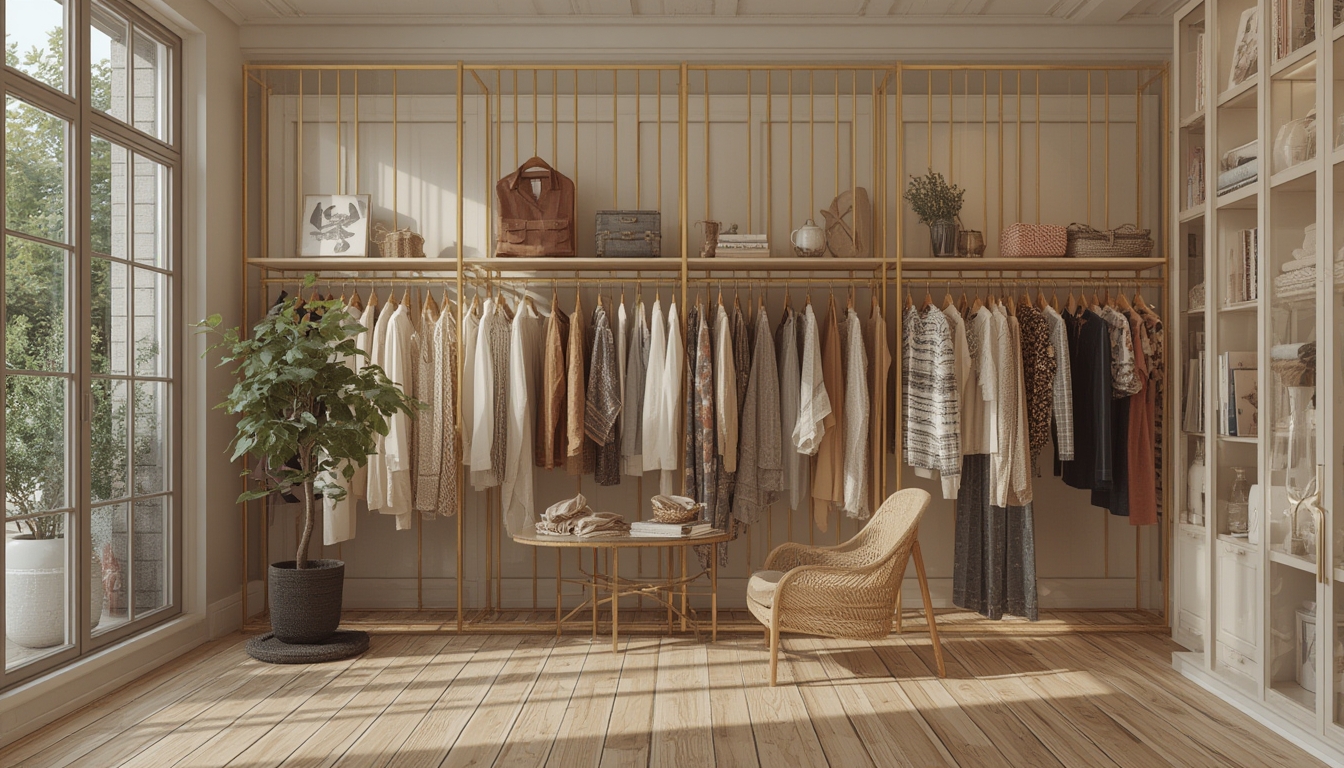
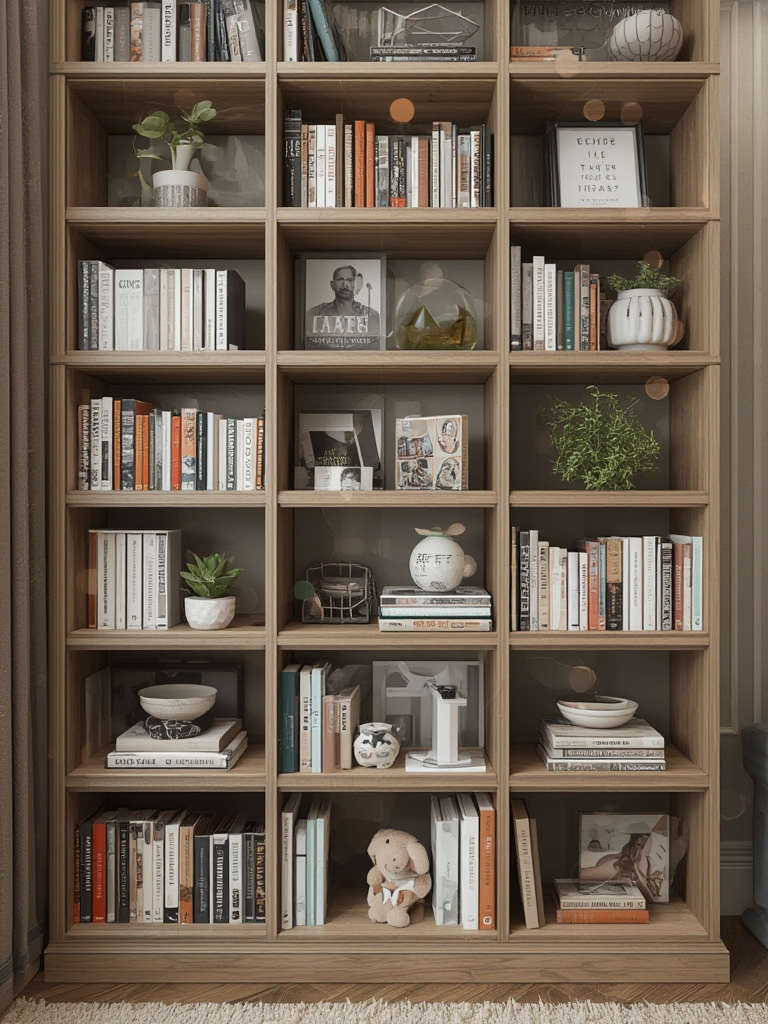
We are living in a golden age of interior design. Our homes have transformed from mere shelters into multifaceted extensions of our identities, workplaces, sanctuaries, and stages for self-expression. Modern home decor is no longer about rigidly adhering to a single style dictated by glossy magazines; it is a dynamic, personal, and deeply considered practice. It’s a dialogue between aesthetics and well-being, global influences and local craftsmanship, timeless principles and cutting-edge innovation. This post explores the intricate layers of contemporary home decor, dissecting its defining philosophies, key trends, the psychology behind our choices, and practical guidance for crafting a space that is authentically yours.
Part 1: The Philosophies Underpinning Modern Decor
To understand the “what,” we must first grasp the “why.” Modern decor is built upon several interconnected philosophical pillars:
1. Authenticity Over Perfection: The era of the showroom-perfect, untouched home is fading. Modern decor celebrates the lived-in, the personal, and the slightly imperfect. This means visible books with dog-eared pages, a collection of mismatched ceramics gathered from travels, furniture with a patina that tells a story. It’s about curation rather than consumption. The goal is a home that feels assembled over time, reflecting the true rhythms and history of its inhabitants.
2. Holistic Well-being (The Sanctuary Principle): Our homes are now recognized as primary actors in our mental and physical health. This has given rise to biophilic design (integrating natural elements), a focus on ergonomics, and the creation of dedicated zones for relaxation, mindfulness, and digital detox. Materials are chosen for their non-toxic properties, lighting for its circadian rhythm support, and layouts for their promotion of movement and connection. The home as a sanctuary is not just a visual concept but a sensory and functional one.
3. Fluid, Global Eclecticism: The internet has collapsed stylistic borders. It’s now not only acceptable but celebrated to pair a mid-century modern sofa with a vintage Berber rug, a Japanese shoji-inspired room divider, and a contemporary African art piece. Modern decor is inherently global, informed by an appreciation for diverse design traditions, artisanal techniques, and cultural narratives. This eclecticism, however, requires a discerning eye—a unifying thread (be it color, texture, or form) is essential to avoid visual chaos.
4. Conscious Consumption & Sustainability: There is a profound and growing awareness of the environmental and ethical impact of our purchases. Modern decor leans towards quality over quantity, vintage and second-hand finds, locally sourced pieces, and materials with a lower ecological footprint (like reclaimed wood, bamboo, linen, and recycled metals). It values repair, upcycling, and choosing items built to last for decades, not just seasons.
5. Adaptive Functionality (The “Live-Work-Play” Home): With the blurring of lines between living, working, exercising, and entertaining, homes must be functionally agile. Furniture is multipurpose (storage ottomans, sofa beds, extendable tables). Rooms are zoned rather than rigidly defined. A bedroom nook becomes a home office; a living room corner transforms into a yoga space. This philosophy prioritizes flexibility and smart, space-saving solutions without sacrificing style.
Part 2: The Key Elements & Trends Shaping Contemporary Spaces
From these philosophies spring the tangible trends and elements defining today’s interiors.
The Palette: Beyond Neutrals
While the neutral foundation (whites, beiges, greiges) remains a classic for its serenity and light-enhancing qualities, it is now a canvas for expression. We’re seeing:
-
Earthy Tones: Terracotta, ochre, sage green, and clay pink connect us to the natural world, providing warmth and grounding.
-
Jewel Tones: Used as accents, deep emerald, sapphire blue, and amethyst add drama, depth, and a sense of luxury.
-
Monochromatic Layering: A single color explored through various textures and shades creates a sophisticated, cocooning effect.
The Material Matrix: Tactility Reigns
Texture is the new color. Modern spaces thrive on a rich, tactile materiality that begs to be touched:
-
Organic & Raw: Unfinished woods (with visible grain and knots), rough-hewn stone, raw plaster walls (like Venetian or clay plaster), linen, wool, and rattan. These materials bring an authentic, earthy vibe.
-
Curves & Soft Geometry: A direct reaction to the harsh lines of early modernism, rounded arches, oval mirrors, circular sofas, and fluid, sculptural forms create a softer, more inviting and human-centric environment.
-
Metal Accents: Brushed brass and matte black remain strong, but there’s a rise in unlacquered brass (which develops a unique patina), aged iron, and stainless steel for an industrial edge.
The Furniture Edit: Statement & Soul
Furniture is selected as both functional art and narrative device.
-
The Statement Piece: One investment item—a bold, sculptural armchair, an artisanal lighting fixture, or a unique vintage find—that anchors a room and sparks conversation.
-
Vintage & Heritage: Incorporating pieces with history (a 1970s sideboard, a Danish teak desk) adds soul, sustainability, and breaks the monotony of all-new furnishings.
-
Custom & Bespoke: The desire for uniqueness drives the trend for custom-built joinery, commissioned art, and handmade textiles, ensuring a perfect fit for both space and personality.
The Lighting Landscape: Layered & Dynamic
Lighting is treated as one of the most crucial elements of design.
-
Layered Approach: Ambient (overhead, often dimmable), task (focused, for reading or work), and accent (to highlight art or architecture) lighting are combined for a functional and atmospheric effect.
-
Natural Light Maximization: Large windows, skylights, and strategically placed mirrors are prioritized. Window treatments are lighter and more flexible.
-
Sculptural Fixtures: Lighting is art. Organic shapes, interesting material combinations, and bold forms turn fixtures into focal points.
The Art & Object Curation: Personal Archaeology
Walls and surfaces are galleries of personal identity.
-
Art That Speaks: The trend is towards original art, prints from independent artists, and photography. Galleries walls are carefully composed but not overly matchy.
-
The “Cluttercore” Nuance: A reaction to extreme minimalism, this involves intentional, meaningful collections—of books, ceramics, vases, or curios—displayed with pride. It’s curated maximalism, where every object has a story.
-
Organic Moments: Instead of cut flowers, permanent botanical statements like dried pampas grass, bleached branches, or sculptural dried palms are used for their texture and longevity.
Part 3: The Room-by-Room Modern Manifesto
How do these principles translate into specific spaces?
The Modern Kitchen: The Social Hearth
Gone is the sterile, hidden kitchen. It is now the home’s social epicenter. Expect:
-
Open Shelving & Glass Fronts: To display beautiful ceramics and glassware.
-
Mixed Materials: Stone countertops with wooden cabinetry, tile splashbacks with metallic fittings.
-
Integrated Tech & Seamless Living: Smart appliances hidden behind cabinetry, with the kitchen flowing effortlessly into living and dining areas, often with a large island as the bridging element.
The Modern Living Room: The Flexible Lounge
This is a zone for relaxation, connection, and sometimes work.
-
Conversation-Oriented Layouts: Furniture arranged to facilitate talk, not just face a television (which is often cleverly concealed).
-
Textural Symphony: A huge, plush rug underfoot, a nubby bouclé sofa, velvet cushions, a smooth leather chair, and a woven basket—all combining in a tactile feast.
-
The “Quiet Luxury” Vibe: An emphasis on impeccable tailoring, fine fabrics, and subtle elegance over loud logos.
The Modern Bedroom: The Ultimate Sanctuary
This room prioritizes restoration above all else.
-
Sensory Calm: A palette of soothing tones, blackout options, and supremely comfortable, natural-fiber bedding.
-
Clutter-Free Zones: Ample, clever storage (under-bed, built-in wardrobes) to keep surfaces clear and the mind calm.
-
A Dedicated Retreat Corner: A small chair for reading, a meditation cushion, or a simple bench at the foot of the bed.
The Modern Home Office: The Focus Pod
With remote work entrenched, this space must be highly functional and psychologically supportive.
-
Ergonomics as Aesthetic: Beautiful, adjustable chairs and desks that support the body.
-
Separation & Inspiration: Physical or visual separation from living spaces (a room divider, a distinct color palette) and walls adorned with inspiring art or vision boards.
-
Tech Integration: Clean cable management, strategic charging stations, and good task lighting.
Part 4: The Psychology of Space: Why Our Surroundings Matter
Modern decor’s depth comes from its acknowledgement of environmental psychology. Our spaces directly influence our:
-
Mood & Cognition: Clutter can increase anxiety, while orderly, personalized spaces can enhance focus and calm. Natural light boosts serotonin.
-
Behavior & Habits: A inviting reading nook encourages reading; a dedicated, pleasant workout corner makes exercise more likely.
-
Identity & Belonging: Our homes are a canvas for self-actualization. They reflect who we are, where we’ve been, and what we value, reinforcing our sense of self.
-
Social Connection: Open, welcoming layouts with ample seating foster interaction and a sense of community.
Part 5: Crafting Your Modern Space: A Practical Guide
Ready to evolve your own home? Follow this non-prescriptive framework:
-
Audit & Aspire: Spend a week living mindfully in your space. What feels good? What frustrates you? Simultaneously, create a digital mood board (Pinterest, Instagram saves) collecting images you’re drawn to. Look for patterns in color, light, and feeling.
-
Define Your “Why”: In one sentence, how do you want your home to feel? (e.g., “A calming, connected retreat from the digital world,” or “An inspiring, energetic hub for creativity and friends.”) This is your guiding principle.
-
Start with the “Bones”: Before buying a single cushion, address the foundational elements: paint color, lighting, and flooring. These set the stage. A great rug can define a room more than a sofa.
-
Embrace the “Slow Decor” Movement: Acquire pieces thoughtfully. Wait for the right vintage dining table. Save for the perfect armchair. Let the space evolve. Mix high (investment sofa) with low (IKEA hack, thrifted treasure).
-
Master the Mix: When combining styles, use the 70-20-10 rule as a loose guide: 70% of the room in a dominant style/color, 20% in a secondary style/color, and 10% as an accent or wildcard. Use recurring materials or colors to create cohesion.
-
Edit Ruthlessly: Regularly assess your belongings. If something no longer serves a function or brings joy, let it go. A well-edited space allows the important pieces to shine.
-
Infuse Life: Finally, the magic touch: plants for vitality, books for personality, candles for scent, and music for atmosphere. These are the elements that transform a “designed” house into a lived-in, loved home.
The Home as a Living Canvas
Modern home decor, in its truest sense, is not a destination but a continuous, rewarding process. It rejects dogma in favor of individuality, trends in favor of timelessness, and perfection in favor of personality. It is an acknowledgment that our external environment is deeply woven into our internal well-being. In a world that is often chaotic and digital, the modern home stands as a physical testament to our values—a place of sanctuary, connection, and authentic self-expression. It is, ultimately, the most personal art project we will ever undertake, a living canvas that evolves as we do. So, pick up your brush—your first stroke can be as simple as rearranging a shelf, painting a wall, or simply lighting a candle in a beautiful holder. Your landscape awaits.