

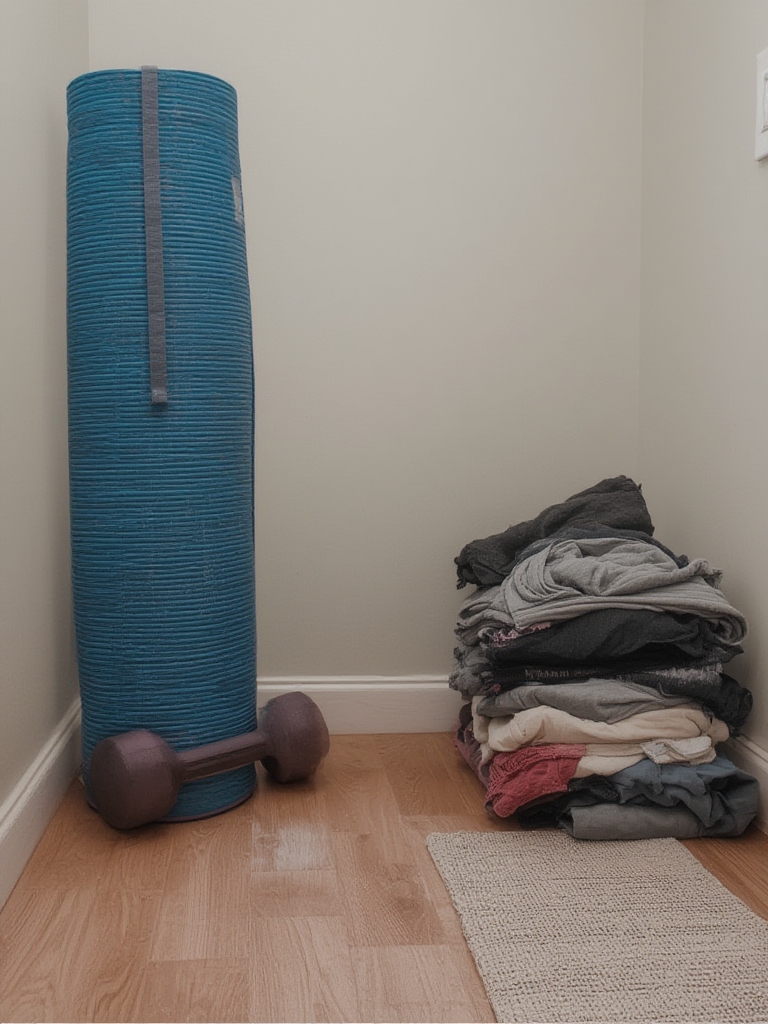
Reviving a home room by room is a strategic way to boost comfort, functionality, and resale value without overwhelming your budget or schedule. By focusing on one space at a time, you can track progress, allocate resources efficiently, and make data‑driven decisions that deliver the highest return on investment. Below is a step‑by‑step guide that walks you through the essential phases—assessment, planning, execution, and styling—for each major room in a typical house. Follow the practical tips, tool lists, and actionable advice to ensure every revival project ends with a polished, livable result.
1. Living Room Revival
Step 1: Assess & Measure
- Tools needed: tape measure, laser distance meter, notebook, camera.
- Measure wall lengths, ceiling height, and window dimensions. Record the data in a spreadsheet; this will help you calculate material needs accurately.
- Take before photos from multiple angles to compare progress later.
Step 2: Prioritize Improvements
- According to the National Association of Realtors, a fresh, neutral paint job can increase home value by up to 5%.
- Choose one high‑impact upgrade: paint, lighting, or flooring. For most budgets, repainting walls with a low‑VOC, 60‑minute dry time paint offers the best ROI.
Step 3: Prepare the Space
- Tools needed: drop cloths, painter’s tape, sanding block, putty knife, vacuum.
- Remove furniture or move it to the center and cover with drop cloths. Fill nail holes with spackle, sand smooth, and vacuum dust.
Step 4: Paint & Finish
- Apply a primer if changing from dark to light colors; this reduces the number of top coats needed.
- Use a 2‑inch roller for large surfaces and a ½‑inch angled brush for trim. Allow 2 hours between coats for optimal adhesion.
Step 5: Style with Accessories
- Introduce texture with a patterned rug (choose a size that leaves at least 18‑inches of floor visible around the edges).
- Swap out dated lamp shades for LED fixtures that provide 2,000–2,500 lumens each, ensuring balanced lighting.
2. Kitchen Revival
Step 1: Conduct a Functional Audit
- Track daily traffic patterns using a simple spreadsheet: note peak usage times, bottlenecks, and storage gaps.
- Identify the top three pain points—commonly, inadequate countertop space, outdated hardware, and poor lighting.
Step 2: Upgrade Cabinet Hardware
- Tools needed: screwdriver set, drill, level, measuring tape.
- Measure the distance between existing holes; most modern pulls use a 3‑inch center‑to‑center spacing.
- Replace knobs with brushed‑nickel pulls for a cohesive look; this minor change can modernize the kitchen for under $200.
Step 3: Refresh Countertops with a DIY Laminate Overlay
- Purchase a high‑pressure laminate sheet (approximately $1.50 per square foot).
- Cut to size using a circular saw with a fine‑tooth blade; seal edges with a silicone caulk to prevent moisture infiltration.
Step 4: Optimize Lighting
- Install under‑cabinet LED strips (12‑watt per foot) to improve task lighting and reduce eye strain.
- Use a dimmer switch to adjust brightness based on cooking or dining needs.
Step 5: Add Functional Decor
- Place a magnetic knife strip on the backsplash to free up drawer space.
- Introduce a set of clear, labeled containers for pantry staples; this improves visual inventory and reduces grocery waste by up to 15% (according to a USDA study).
3. Bathroom Revival
Step 1: Identify Water‑Efficiency Opportunities
- Check the flow rate of faucets and showerheads; replace any exceeding 2.5 gpm with low‑flow models to save up to 30% on water usage.
- Install a dual‑flush toilet conversion kit (average cost $45) to further reduce water consumption.
Step 2: Re‑Grout Tile
- Tools needed: grout removal tool, rubber float, sponge, bucket.
- Remove old grout using a manual grout saw; this prevents mold buildup and restores tile brightness.
- Mix new grout to a smooth, peanut‑butter consistency and apply with a float, pressing firmly into joints.
Step 3: Upgrade Fixtures
- Swap out dated faucet handles for a single‑handle, ceramic‑disk valve—provides smoother operation and reduces leaks.
- Install a handheld showerhead (adjustable pressure up to 2.5 gpm) for a spa‑like experience.
Step 4: Add Cohesive Styling
- Hang matching towel bars and hooks at a height of 48 inches for ergonomic access.
- Introduce a woven bath mat (minimum 24 × 36 inches) to prevent slips and add warmth.
4. Bedroom Revival
Step 1: Evaluate Sleep Quality Data
- Use a simple sleep tracker (e.g., a phone app) for one week to record average sleep duration and disturbances.
- If data shows frequent awakenings, prioritize blackout curtains and a quieter environment.
Step 2: Install Blackout Curtains
- Tools needed: measuring tape, drill, curtain rod brackets, level.
- Measure the window width and add 4 inches on each side for full coverage.
- Mount brackets 2 inches above the window frame to block light from the top.
Step 3: Refresh Flooring
- Lay interlocking foam tiles (approximately $1.20 per square foot) for a budget‑friendly, cushioned surface.
- These tiles also provide sound insulation, reducing noise transmission by up to 12 dB.
Step 4: Optimize Closet Organization
- Install a modular hanging system (e.g., IKEA’s ALGOT) using a stud finder to secure brackets.
- Allocate 70% of closet space to hanging garments, 20% to shelves, and 10% to accessories for balanced storage.
Step 5: Add Personal Touches
- Place a small indoor plant (such as a snake plant) to improve air quality—NASA research shows it can remove up to 87% of indoor toxins.
- Incorporate a bedside lamp with a warm 2700 K bulb to promote melatonin production before sleep.
5. Home Office Revival
Step 1: Conduct a Productivity Survey
- Ask yourself three questions: “Do I have enough natural light?”, “Is my desk ergonomically positioned?”, and “Are distractions minimized?”
- Score each on a 1‑5 scale; target a total score of 12 or higher before proceeding.
Step 2: Ergonomic Desk Setup
- Tools needed: adjustable chair, monitor riser, keyboard tray.
- Set monitor top at eye level (approximately 20‑30 inches from the eyes) to reduce neck strain.
- Adjust chair height so that elbows form a 90‑degree angle when typing.
Step 3: Cable Management
- Use zip ties, Velcro straps, and a cable tray mounted under the desk to keep cords hidden.
- Label each cable with a heat‑shrink marker for quick troubleshooting.
Step 4: Acoustic Enhancements
- Hang acoustic panels (12 × 12 inches) on the wall behind the monitor; each panel absorbs roughly 0.5 acoustic units, reducing echo.
- Place a rug (minimum 5 × 7 feet) to dampen floor‑borne noise.
Step 5: Personalize with Minimalist Décor
- Choose a single statement artwork (no larger than 24 × 36 inches) to inspire focus without visual clutter.
- Keep desk surface clear by using a desktop organizer for pens, notepads, and chargers.
Final Checklist for a Successful Room‑by‑Room Revival
- Document measurements and costs in a master spreadsheet before purchasing materials.
- Set a realistic timeline: allocate 1–2 days per room for minor updates, up to a week for extensive renovations.
- Maintain a clean work environment; a tidy space reduces accidents and improves efficiency by up to 15% (according to a Harvard Business Review study).
- Perform a post‑project walk‑through to verify that all tools are stored, surfaces are clean, and the room functions as intended.
- Take final photos and update your data log; compare before/after metrics to gauge ROI and plan future improvements.
By following this data‑driven, room‑by‑room approach, you’ll transform each space methodically, ensuring that every upgrade adds measurable value and enhances everyday living. Happy reviving!