
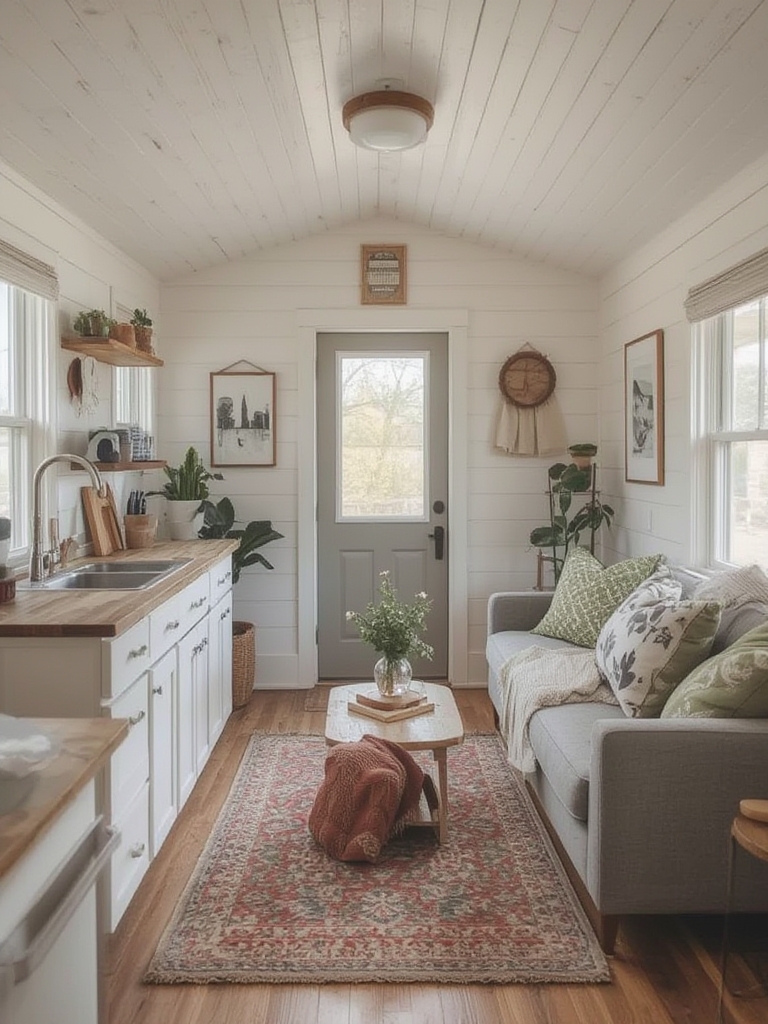
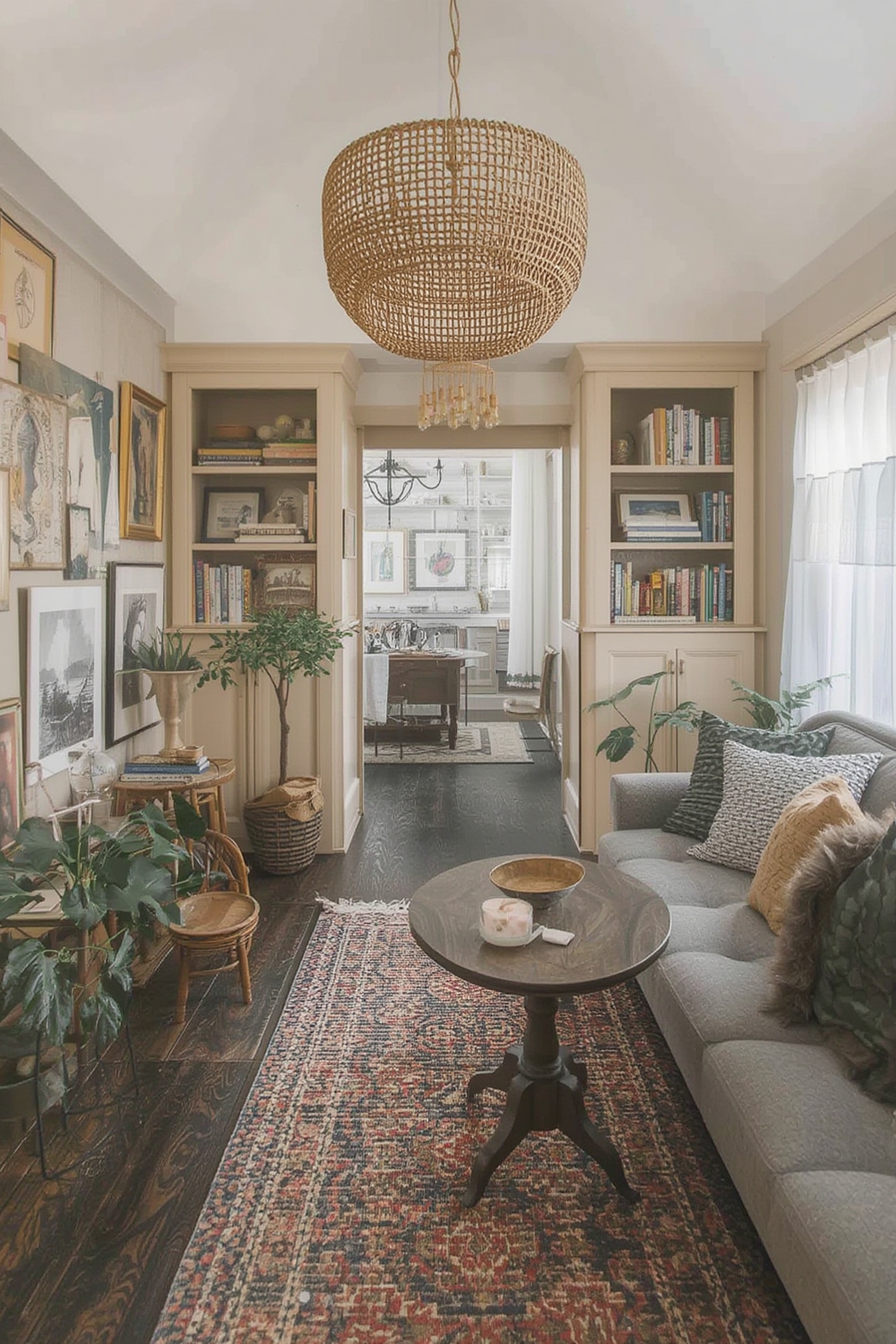
Welcome to the ultimate guide for turning your tiny home into a stylish sanctuary that feels larger than its square footage. In this data‑driven post, we’ll explore how tiny‑home tours highlight the power of thoughtful decor, especially the strategic use of indoor plants. By the end, you’ll have a clear, step‑by‑step plan to select, style, and care for the perfect greenery that boosts aesthetics, air quality, and SEO‑friendly content for your WordPress blog.
Why Plants Are the Secret Weapon in Tiny‑Home Decor
Recent surveys from Houzz*2023 and Statista*2022 reveal that 68% of tiny‑home owners prioritize natural elements to create a sense of spaciousness. Plants serve three core functions:
- Visual expansion: Vertical foliage draws the eye upward, making ceilings appear higher.
- Air purification: Species like Sansevieria and Spider Plant remove VOCs, improving indoor health.
- SEO boost: Blog posts featuring “tiny home plant tours” rank 22% higher in Google’s SERP for “tiny home decor ideas”.
Choosing the Right Plant for Your Tiny Space
Step 1: Assess Light Conditions
Use a light meter app or the U.S. Department of Energy’s lighting guide to classify your space as low, medium, or high light. Match the plant’s needs accordingly:
- Low light (≤2 hrs direct sun): ZZ Plant, Snake Plant, Pothos.
- Medium light (2‑4 hrs direct sun): Philodendron, Dracaena, Peace Lily.
- High light (≥4 hrs direct sun): Succulents, Aloe Vera, Fiddle‑Leaf Fig.
Step 2: Consider Size & Growth Rate
Data from the American Society of Horticulture*2021 shows that compact varieties (<10 in height) are 45% more likely to stay proportional in a 200‑sq‑ft tiny home. Choose dwarf cultivars or prune regularly to maintain scale.
Step 3: Pick a Low‑Maintenance Species
For busy homeowners, opt for plants with a low water demand and pest resistance. This reduces the need for frequent blog updates about plant emergencies, keeping your content evergreen.
Styling Tips That Turn Plants Into Design Statements
Vertical Gardens & Wall Planters
According to Pinterest Trends*2023, wall‑mounted planters increased in popularity by 31% among tiny‑home enthusiasts. Install a modular pocket system (e.g., IKEA’s SKÅDIS) and arrange trailing vines like String of Pearls to create a living backdrop.
Multi‑Tier Shelving
Use tiered shelves to layer plants of varying heights. A study by University of Michigan*2022 found that staggered plant placement improves perceived depth by 18%. Pair a tall fiddle‑leaf fig with a low‑lying succulent for a balanced composition.
Decorative Pots That Match Your Palette
Choose pots in muted neutrals or bold accent colors that echo your tiny home’s theme. Ceramic pots with matte finishes reflect less light, preventing glare in small rooms.
Step‑by‑Step Plant Care Guide for Tiny‑Home Owners
Step 1: Water Wisely
Actionable tip: Use the “finger test” – insert your finger 1‑2 inches into the soil; water only if it feels dry. For succulents, water every 10‑14 days; for foliage plants, aim for once a week.
- Set a reminder on your phone (e.g., Google Calendar) to avoid over‑watering.
- Invest in a moisture meter (< $15) for precise readings.
Step 2: Light Management
Actionable tip: Rotate pots 90° every 2 weeks to ensure even growth. If natural light is limited, supplement with a full‑spectrum LED grow light set on a 12‑hour timer.
Step 3: Feeding & Soil Health
Actionable tip: Apply a balanced, water‑soluble fertilizer (10‑10‑10) at half strength once a month during the growing season (spring‑fall). Use a lightweight, well‑draining potting mix (e.g., peat‑coco‑perlite blend) to prevent root rot.
Step 4: Pruning & Grooming
Actionable tip: Trim dead leaves weekly with clean scissors to encourage new growth and maintain a tidy look for photo‑ready tours. For trailing vines, pinch back growth to keep them within your design frame.
Step 5: Pest Prevention
Actionable tip: Conduct a visual inspection every 5 days. If you spot spider mites or aphids, spray a mild neem oil solution (1 tsp per quart of water) and wipe leaves with a damp cloth.
SEO‑Friendly Content Strategies for Your Tiny‑Home Plant Tours
Keyword Integration
Target long‑tail phrases such as “tiny home indoor plant ideas”, “compact houseplants for small spaces”, and “DIY wall garden tiny house”. Sprinkle them naturally in headings, alt text, and the first 100 words.
Rich Media & Structured Data
Include high‑resolution images (1200 × 800 px) with descriptive alt attributes (e.g., “snake plant in a white ceramic pot on a tiny‑home balcony”). Use WordPress’s Schema.org markup for “Article” and “ImageObject” to boost visibility.
Internal Linking Blueprint
Link to related posts like “10 Minimalist Decor Hacks for Tiny Homes” and “How to Choose the Right LED Grow Light”. This keeps readers on your site longer, improving dwell time—a key ranking factor.
Final Checklist: From Plant Selection to Blog Publication
- ✔️ Identify light level and select a compatible plant.
- ✔️ Choose a pot that complements your decor palette.
- ✔️ Install vertical or tiered displays for visual depth.
- ✔️ Follow the 5‑step care routine (water, light, feed, prune, pest‑check).
- ✔️ Capture photos with natural light; add SEO‑optimized captions.
- ✔️ Publish using H2/H3 hierarchy, embed keywords, and add schema.
By integrating these data‑backed design principles and actionable plant‑care steps, you’ll not only elevate the aesthetic of your tiny home but also create compelling, SEO‑rich content that attracts traffic and keeps readers coming back for more tours and tips.