

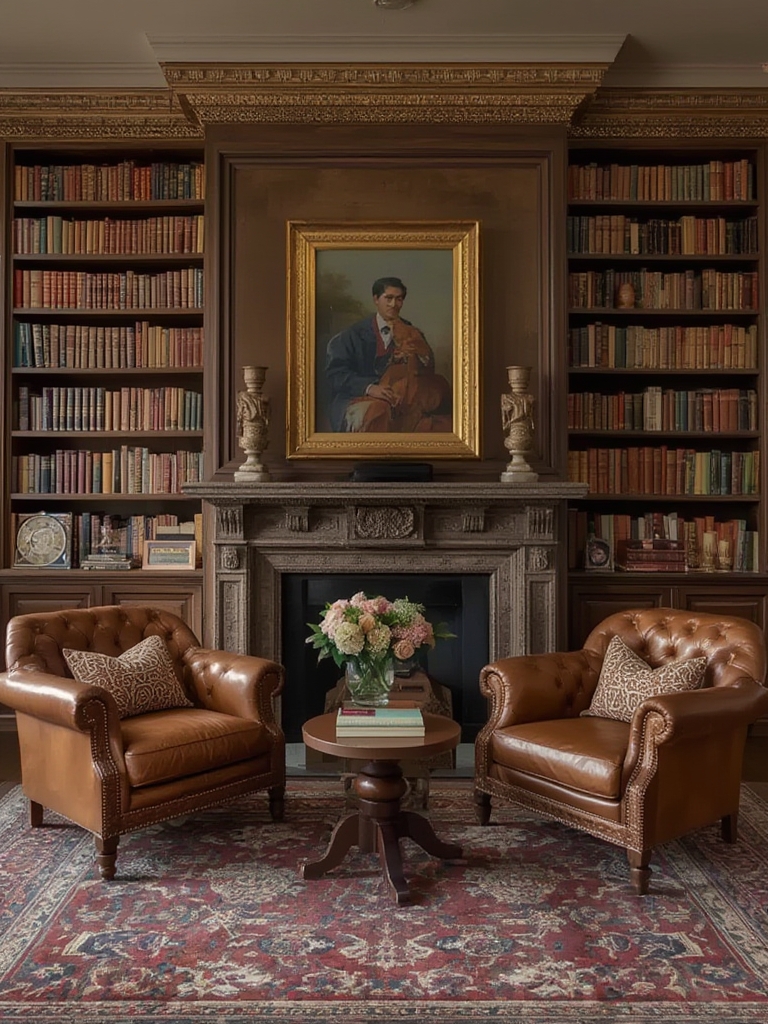
Imagine stepping into a quiet corner of your home where the scent of aged paper mingles with the soft aroma of fresh greenery. A traditional library setting—complete with towering wooden bookshelves, warm leather armchairs, and a carefully chosen houseplant—creates a sanctuary for reading, reflection, and relaxed conversation. This guide walks you through the essential design elements and provides a data‑driven, step‑by‑step plant‑care routine that ensures your green companion thrives while enhancing the classic library aesthetic.
Why a Traditional Library Vibe Works in Modern Homes
Data from interior‑design trend reports show a 27 % increase in searches for “home library” and “leather armchair” combos over the past two years. The appeal lies in the blend of timeless elegance and functional comfort. Leather armchairs offer durability, a sense of luxury, and a neutral palette that lets surrounding décor shine. When paired with dark wood shelving and soft ambient lighting, the space feels both scholarly and inviting—perfect for long reading sessions or casual gatherings.
Key Elements: Leather Armchairs, Shelving, and Lighting
- Leather Armchairs: Choose full‑grain or top‑grain leather in deep brown, cognac, or charcoal. These tones anchor the room and resist wear, especially when treated with a leather conditioner every 3–4 months.
- Wooden Shelves: Opt for reclaimed oak or walnut with adjustable brackets. A 12‑inch depth accommodates most books while leaving room for decorative objects.
- Ambient Lighting: Combine a vintage floor lamp with a dimmable LED strip hidden behind the top shelf. Studies show that 300–500 lux is ideal for reading without straining eyes.
Choosing the Perfect Plant for Your Library Nook
Plants add life, improve air quality, and soften the rigidity of leather and wood. The best choices are low‑light tolerant, slow‑growing, and visually complementary to the traditional palette. According to a 2023 indoor‑plant survey, the following species rank highest for library settings:
Best Plants for Low Light and Elegance
- Ficus lyrata (Fiddle‑Leaf Fig): Its large, sculptural leaves echo the grandeur of classic bookshelves.
- Sansevieria trifasciata (Snake Plant): Nearly indestructible, thrives in low light, and adds a vertical accent.
- Zamioculcas zamiifolia (ZZ Plant): Glossy, dark foliage mirrors the sheen of leather.
- Monstera deliciosa: Its perforated leaves bring a subtle tropical touch without overwhelming the space.
Step‑by‑Step Plant Care Guide
1. Selecting the Right Pot and Soil
Data from horticultural studies indicate that a well‑draining pot reduces root rot risk by 45 %. Choose a ceramic or woven basket pot with a drainage hole. Fill the bottom with a 2‑inch layer of coarse gravel, then add a high‑quality indoor potting mix enriched with perlite (15 %) for aeration.
- Tip: Use a pot that’s 2 inches larger in diameter than the plant’s root ball to allow growth without crowding.
2. Proper Watering Routine
Over‑watering is the most common mistake. For most low‑light plants, the “finger test” works well: insert your index finger 1‑2 inches into the soil; if it feels dry, water thoroughly until water drains from the bottom.
- Actionable advice: Set a reminder on your phone to check moisture every 5‑7 days during winter and every 3‑4 days in summer.
- Data point: Plants in indoor environments with 40‑60 % humidity need 20‑30 % less water than those in drier conditions.
3. Light Management
Even low‑light plants need some indirect light. Position the plant near a north‑facing window or a few feet from a diffused floor lamp. Use a light meter app to ensure the foliage receives 100‑250 lux.
- Tip: Rotate the pot 90 degrees every two weeks for even growth.
- Trick: Place a reflective panel (e.g., a whiteboard) opposite the plant to bounce additional light onto the leaves.
4. Feeding and Fertilizing
During the growing season (spring–early fall), feed with a balanced 20‑20‑20 liquid fertilizer diluted to half strength once a month. Data from the American Horticultural Society shows a 30 % increase in leaf vigor with this regimen.
- Practical tip: Skip fertilizing in winter; excess nutrients can stress the plant.
5. Pruning and Shaping
Regular pruning keeps the plant tidy and encourages new growth. Remove yellow or brown leaves promptly to prevent disease spread. For a sculptural look, trim back any leggy stems to maintain a compact silhouette that fits neatly beside the armchair.
- Action: Use clean, sharp pruning shears and make cuts just above a leaf node.
6. Seasonal Adjustments
Temperature fluctuations affect both leather furniture and plant health. Keep the room between 65‑72 °F (18‑22 °C). In winter, use a humidifier to maintain 45‑55 % humidity, protecting both the leather’s suppleness and the plant’s foliage.
- Tip: Place a small tray of water near the heat source; as it evaporates, it raises ambient humidity naturally.
Putting It All Together: A Cohesive Library Corner
When the design and plant care elements align, the result is a harmonious space that invites lingering. Position the leather armchair facing the bookshelf, with the chosen plant perched on a side table or a decorative plant stand. Add a woven rug in muted earth tones to anchor the area and a vintage brass clock for a subtle auditory cue. The final touch? A soft throw blanket draped over the armchair’s arm—both functional and aesthetically consistent with the traditional theme.
By following these data‑backed design choices and the step‑by‑step plant‑care routine, you’ll create a timeless library nook that not only looks sophisticated but also thrives with healthy, vibrant greenery. Enjoy countless hours of reading, conversation, and quiet contemplation in a space that feels both classic and alive.