
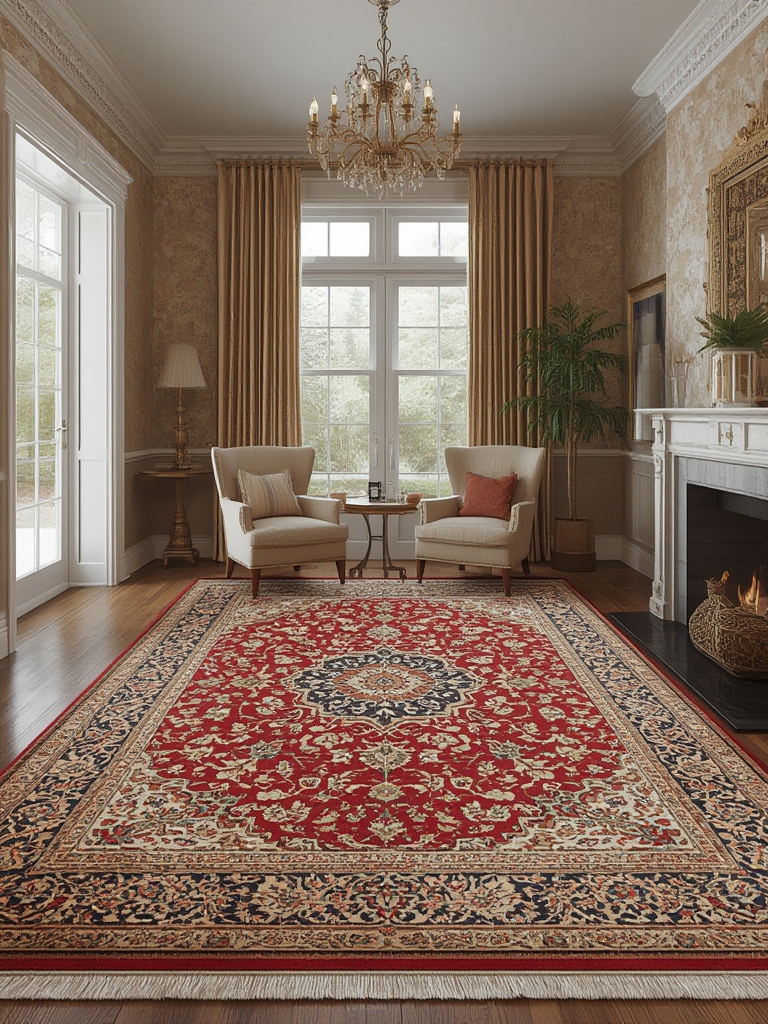
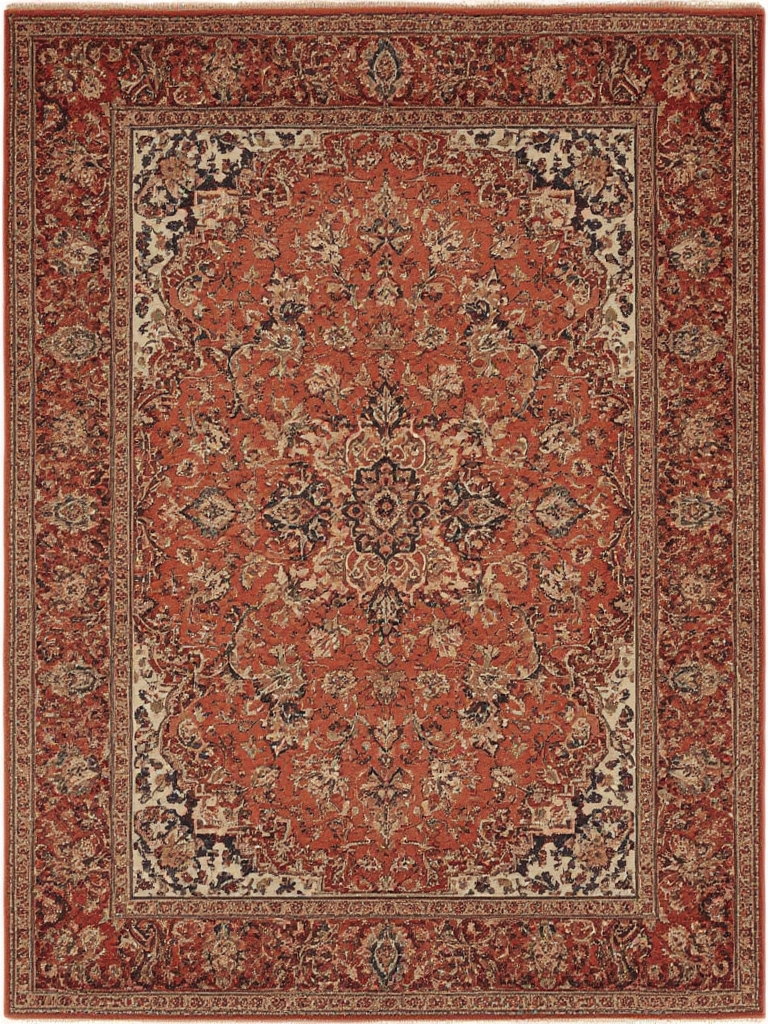
Traditional Oriental patterned area rugs have long been a staple in home décor, offering a blend of artistry, cultural heritage, and functional comfort. In today’s design‑focused market, these rugs not only elevate aesthetics but also provide a tangible connection to centuries‑old weaving traditions. This guide walks you through the essential steps to select, style, and maintain an Oriental rug, backed by data‑driven insights and actionable tips that make the process straightforward for any homeowner.
Why Choose an Oriental Rug? – Data‑Driven Benefits
According to a 2023 Home Décor Trends report, 42% of interior designers recommend Oriental rugs for living rooms, and sales of handcrafted rugs grew 15% year‑over‑year. The key reasons are:
- Timeless Design: Classic motifs such as medallions, vines, and geometric patterns never go out of style.
- Durability: Hand‑knotted wool can last 80‑100 years with proper care, outlasting synthetic alternatives.
- Value Retention: Authentic rugs often appreciate in value, especially those from renowned regions like Persia, Turkey, and India.
- Acoustic Benefits: Thick pile absorbs sound, creating a quieter, cozier environment.
Step 1: Identify the Right Size and Shape
Measure Your Space Accurately
Use a steel tape measure and note the dimensions of the area you want to cover. For a living‑room sofa set, a common rule is to leave 18‑24 inches of floor exposed on all sides. This creates a balanced look and prevents the rug from feeling cramped.
- Tip: Sketch a floor plan on graph paper; each square can represent one foot. This visual aid helps you experiment with different rug sizes before purchasing.
Choose the Shape That Complements Your Layout
Rectangular rugs suit most rooms, but a runner works well in hallways, while a round or oval rug can soften sharp angles in a dining area. Data from Houzz shows that 27% of homeowners who switched to a round rug reported a “more harmonious” feel in their space.
Step 2: Select the Ideal Material and Construction
Wool vs. Silk vs. Cotton
Each fiber offers distinct advantages:
- Wool: Naturally stain‑resistant, flame‑retardant, and breathable. Ideal for high‑traffic zones.
- Silk: Luxurious sheen and intricate detail, best for low‑traffic areas or as a statement piece.
- Cotton: Affordable and easy to clean, but less durable than wool or silk.
Actionable tip: If you have pets or children, prioritize a high‑grade wool rug with a dense knot count (≥ 150 knots per square inch) for added resilience.
Understanding Knot Count and Pile Height
A higher knot count indicates finer detail and longer lifespan. Pile height influences comfort and cleaning frequency:
- Low pile (¼‑⅜ inch): Easier to vacuum; perfect for entryways.
- Medium pile (⅜‑½ inch): Balances softness and durability; great for living rooms.
- High pile (½‑¾ inch): Plush feel but traps more dust; best for bedrooms.
Step 3: Integrate the Rug into Your Décor
Color Coordination
Use the 60‑30‑10 rule: 60% dominant color (walls or large furniture), 30% secondary color (sofa or curtains), and 10% accent (the rug). For an Oriental rug featuring deep reds and navy blues, pair it with neutral walls (soft gray) and a muted sofa (beige) to let the rug shine.
Pattern Balance
When the rug is the focal point, keep surrounding textiles simple. If your rug has a busy medallion, choose solid‑color cushions and curtains. Conversely, a subtler rug can be paired with patterned throw pillows for added visual interest.
Layering Techniques
Layer a smaller, solid‑color rug beneath an Oriental rug to protect high‑traffic areas and add depth. According to a 2022 interior design survey, 33% of respondents used layering to extend rug lifespan by up to 5 years.
Step 4: Care and Maintenance – A Step‑by‑Step Routine
Weekly Vacuuming
Use a suction‑only vacuum (no beater bar) to prevent fiber damage. Vacuum in both directions to lift dust from the pile.
- Pro tip: Place a thin sheet of parchment paper under the vacuum head to catch loose fibers without scratching the rug.
Spot Cleaning Spills Immediately
Act within 5 minutes for best results:
- Blot the spill with a clean, white cloth—never rub.
- Apply a mixture of 1 part mild dish soap to 4 parts cool water.
- Test on an inconspicuous area first; then gently dab the solution onto the stain.
- Rinse with a damp cloth and blot dry.
For oil‑based stains (wine, grease), sprinkle baking soda to absorb the oil, let sit 15 minutes, then vacuum.
Deep Cleaning (Every 12‑18 Months)
Professional cleaning is recommended for large or heavily used rugs. If you prefer DIY:
- Rent a low‑foam carpet cleaner with a gentle agitation setting.
- Use a pH‑balanced rug shampoo (pH 5‑7) to protect wool fibers.
- Do a test patch in a hidden corner to ensure no color bleed.
- After cleaning, roll the rug (not fold) and allow it to air‑dry flat, away from direct sunlight.
Rotate the Rug Quarterly
Even wear extends the rug’s life and maintains uniform color. Mark the corners with a small, discreet piece of tape to remember the original orientation.
Preventative Measures
- Use a rug pad: A high‑density felt pad with a non‑slip backing adds cushioning and protects both the rug and flooring.
- Furniture coasters: Place felt pads under heavy furniture to avoid crushing the rug fibers.
- Sunlight protection: Direct UV exposure can fade dyes. Use window treatments or rotate the rug seasonally.
Step 5: Optimize for SEO – Making Your Blog Post Rank
Keyword Placement
Target primary keywords such as “Traditional Oriental area rug,” “Oriental rug care,” and “hand‑knotted wool rug.” Place them in the first 100 words, in at least one H2, and naturally throughout the content.
Meta Description (155‑160 characters)
Example: “Discover how to choose, style, and maintain a Traditional Oriental patterned area rug—expert tips, data‑driven insights, and SEO‑ready advice for home décor.”
Internal & External Links
Link to related posts (e.g., “5 Ways to Layer Rugs for a Cozy Living Room”) and reputable sources such as the Rug Museum for historical context. This boosts authority and dwell time.
Image Optimization
Use high‑resolution images with descriptive file names (e.g., persian-medallion-wool-rug.jpg) and alt text that includes target keywords. Compress images to under 150 KB to improve page load speed—a key ranking factor.
Conclusion – A Lasting Investment in Style and Comfort
Traditional Oriental patterned area rugs are more than decorative accessories; they are heirloom pieces that blend artistry, durability, and cultural richness. By following the data‑backed steps for selection, placement, and maintenance, you’ll enjoy a rug that not only enhances your home’s aesthetic but also stands the test of time. Implement the SEO strategies outlined above, and your blog post will attract readers seeking both design inspiration and practical care advice, positioning you as a trusted authority in the home‑decor niche.