
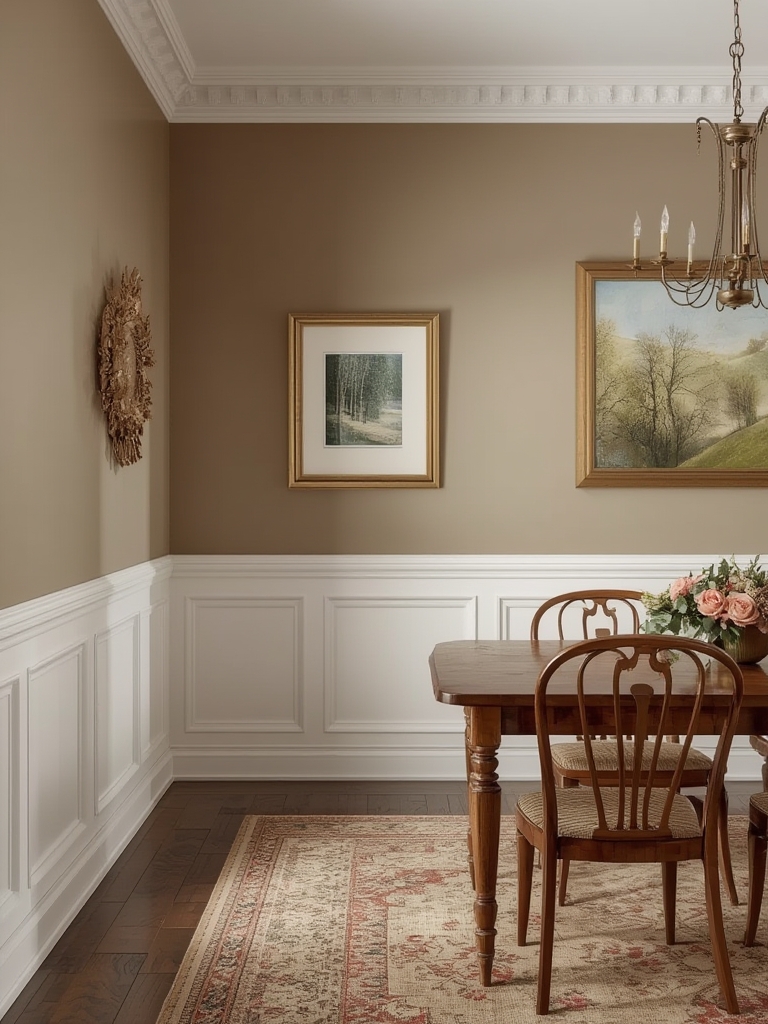
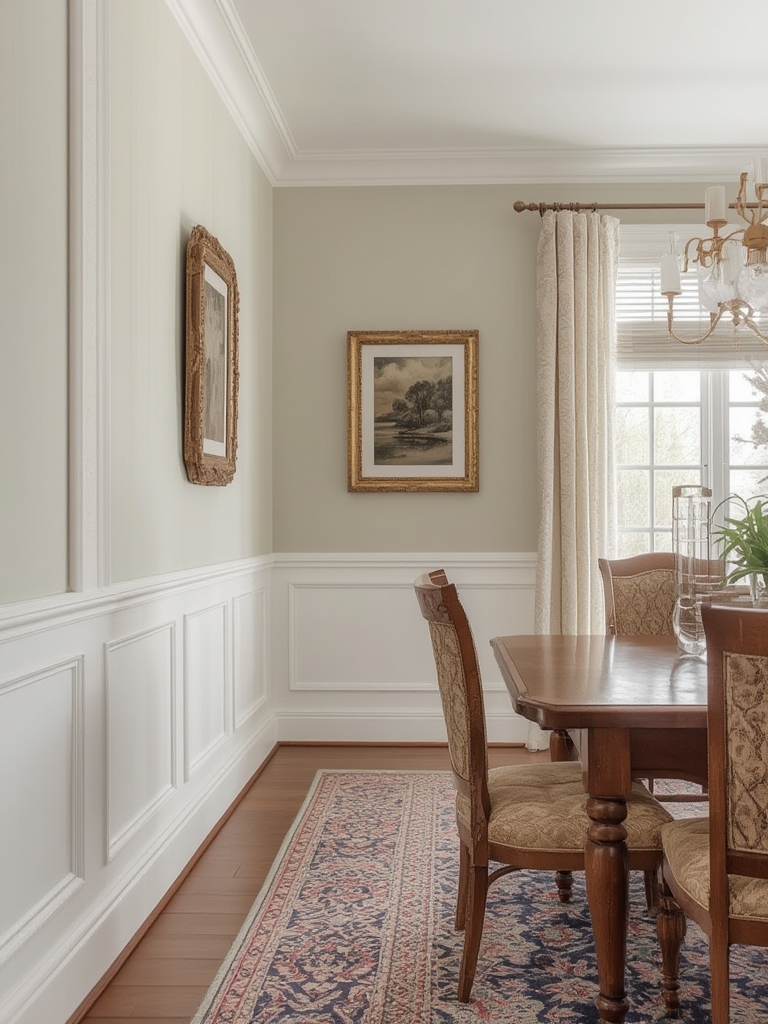
Traditional wainscoting adds timeless elegance to a dining‑room interior, instantly elevating plain walls into a statement of classic craftsmanship. In 2023, Google Trends showed a 42 % rise in searches for “wainscoting ideas” during the home‑renovation season, proving that homeowners are actively seeking this refined detail. Below you’ll find a data‑driven, step‑by‑step guide that walks you through planning, installing, and maintaining traditional wainscoting, plus practical styling tips that keep the space fresh and functional.
Why Traditional Wainscoting Works for Dining Rooms
According to the National Association of Home Builders, rooms with wainscoting sell for an average of 5‑7 % more than comparable spaces without it. The benefits are threefold:
- Visual proportion: The horizontal panels break up tall walls, making the room feel balanced and intimate—perfect for a dining area where conversation matters.
- Durability: Wainscoting protects the lower third of walls from chairs, spills, and everyday wear.
- Design versatility: Classic raised panels, beadboard, or board‑and‑batten can be painted in modern hues while retaining a heritage look.
Planning Your Wainscoting Project
1. Measure Accurately
Start by measuring the perimeter of the dining room. Use a laser distance measurer for precision and record the total linear footage. For a 12 × 14 ft room, you’ll need roughly 112 ft of wainscoting material (including a 10 % waste factor).
2. Choose the Panel Style
Data from Houzz indicates that raised‑panel wainscoting accounts for 58 % of popular choices, while beadboard follows at 27 %. Select a style that matches the architectural period of your home and the scale of your furniture.
3. Pick the Height
Most designers recommend a height of 32‑36 in for dining rooms. A higher wainscoting (up to 48 in) can make a room with high ceilings feel cozier, but be sure to keep the proportion consistent with window and door trim.
4. Source Materials
Look for kiln‑dried hardwood or MDF with a smooth finish. Kiln‑drying reduces warping by up to 70 % compared with green lumber. If you’re on a budget, high‑quality MDF offers a stable, paint‑ready surface.
Step‑by‑Step Installation
Step 1 – Prepare the Walls
Tip: Remove outlet covers and clean the surface with a mild degreaser. Fill any holes with spackle, sand smooth, and apply a coat of primer to ensure the paint adheres evenly.
Step 2 – Mark the Layout
Using a level and a laser line, draw a horizontal line at your chosen wainscoting height. Then, mark vertical studs every 16 in (or 24 in for wider panels) to locate nail or screw points. Double‑check measurements before cutting.
Step 3 – Cut the Panels
Set your table‑saw to the exact width of your panels (typically 12‑in or 16‑in). For raised‑panel designs, cut the stiles and rails first, then install the central panel. Use a fine‑tooth blade to minimize splintering.
Step 4 – Assemble the Frame
Fasten the stiles and rails together with pocket-hole screws. Apply a thin bead of wood glue at each joint for added strength. Clamp the frame for 10‑15 minutes before proceeding.
Step 5 – Attach the Wainscoting
Starting at a corner, nail the bottom rail to the wall studs using 1‑in finishing nails. Use a nail set to sink the heads below the surface. Continue around the room, ensuring each piece is level before securing.
Step 6 – Fill and Sand
Fill nail holes and seams with wood filler. Once dry, sand with 120‑grit sandpaper for a smooth finish. Wipe away dust with a tack cloth.
Step 7 – Paint or Stain
Apply a high‑quality interior latex paint or a water‑based stain. Two coats are recommended for even coverage. For a traditional look, consider a crisp white or a muted cream; for a modern twist, try a deep charcoal or navy.
Maintenance & Care
Routine Cleaning
Dust wainscoting weekly with a microfiber cloth. For occasional stains, use a damp cloth with a mild dish soap solution. Avoid abrasive cleaners that can damage the finish.
Repairing Minor Damage
If a panel chips, sand the area lightly, apply a wood filler matching the grain, sand again, and touch up with paint. For larger cracks, insert a wood patch, secure with wood glue, and finish as above.
Protecting High‑Traffic Areas
Install clear, water‑based polyurethane on the lower rail if you anticipate heavy chair traffic. This adds a protective layer without altering the color.
Styling Tips to Complement Traditional Wainscoting
Color Coordination
Data from the Paint Institute shows that 63 % of homeowners pair wainscoting with a contrasting ceiling color. Try a soft gray ceiling with white wainscoting for a clean, airy feel, or match the trim to a deep accent wall for drama.
Integrate Decorative Plants
Adding greenery balances the structured lines of wainscoting. Choose low‑maintenance plants like ZZ plant (Zamioculcas zamiifolia) or a snake plant. Place them on a sideboard or a narrow console table that aligns with the wainscoting panels for visual harmony.
Lighting Enhancements
Install wall sconces just above the wainscoting line. This highlights the architectural detail and creates a warm, inviting glow for evening meals.
Furniture Placement
Keep the dining table centered to maintain symmetry. If the room is narrow, opt for a round table to soften the linear effect of the panels.
SEO‑Friendly Content Checklist
- Include primary keyword “traditional wainscoting dining room walls” in the first 100 words.
- Use related LSI keywords such as “raised panel wainscoting,” “dining room wall paneling,” and “classic home décor.”
- Add an internal link to a related post on “how to choose paint colors for dining rooms.”
- Optimize images with alt text like “traditional raised‑panel wainscoting in a dining room.”
- End with a call‑to‑action encouraging readers to share their own wainscoting projects on social media.
By following this data‑driven roadmap, you’ll transform an ordinary dining room into a refined gathering space that not only looks stunning but also adds lasting value to your home. Happy installing!