
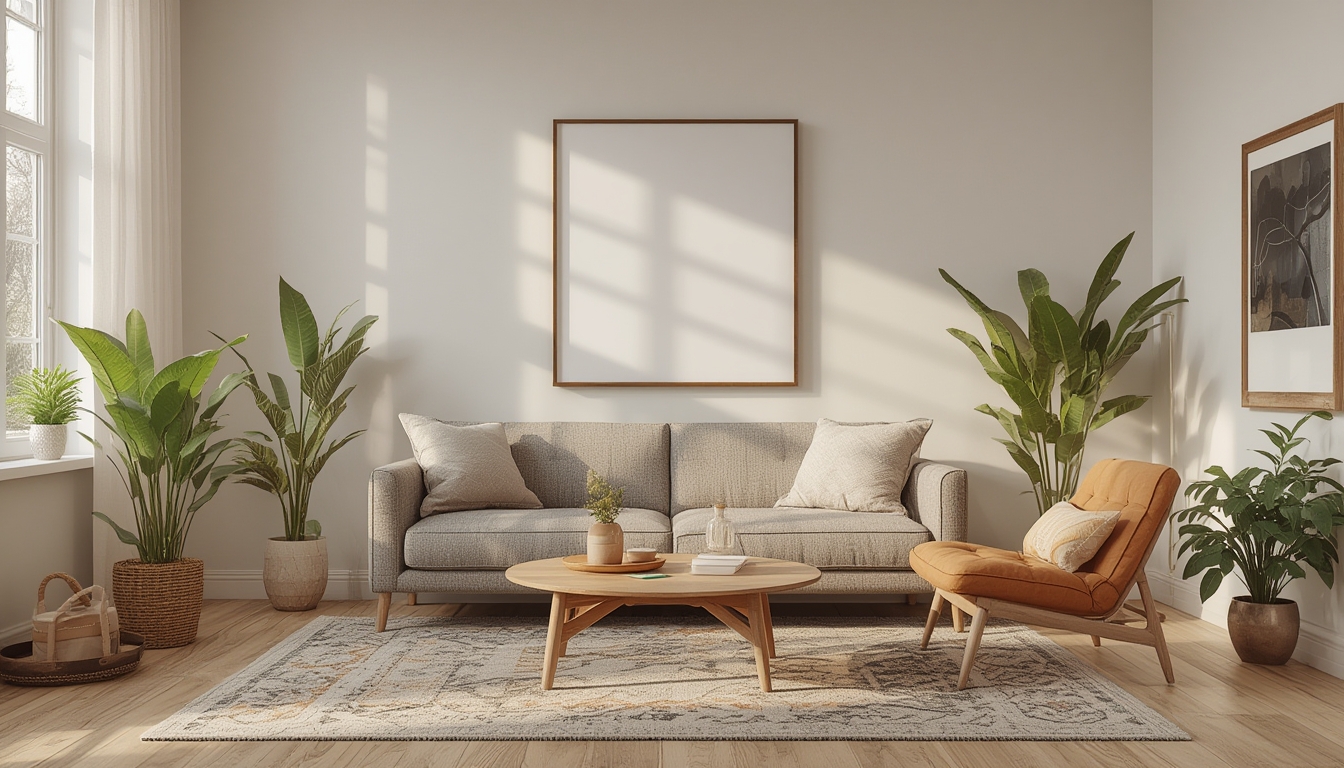

When we think about interior design, we often focus on aesthetics—color palettes, furniture styles, and decorative accents. Yet, the true power of a well‑designed space lies in its psychological impact. By understanding decor psychology, you can create environments that not only look beautiful but also promote mental clarity, emotional balance, and overall wellness. Below is a data‑driven, step‑by‑step guide to styling a room that nurtures the mind and body, complete with the tools you’ll need and actionable tips for each phase.
1. Assess the Space with a Wellness Lens
Gather Baseline Data
Start by measuring the room’s dimensions, natural light exposure, and traffic flow. Use a laser measure or a simple tape measure and record the data in a spreadsheet. Note the following:
- Square footage and ceiling height
- Window placement and direction (north, south, east, west)
- Primary use of the room (relaxation, work, socializing)
- Existing color schemes and textures
Tool needed: Laser distance measurer, notebook or digital spreadsheet.
Identify Emotional Triggers
Research shows that certain colors, shapes, and textures can influence mood. Use the following quick reference:
- Blue & green tones – reduce stress and improve focus.
- Warm reds & oranges – stimulate energy and social interaction.
- Soft neutrals – create a calming backdrop for meditation.
- Curved furniture – encourages relaxation, while sharp angles can increase alertness.
Mark the emotional goals you want for the space (e.g., “calm focus” for a home office, “inviting warmth” for a living room).
2. Curate a Color Palette Aligned with Wellness
Choose a Primary Hue
Based on the emotional goals, select a primary color that occupies 60% of the visual field. For a calming bedroom, a muted teal works well. For a vibrant kitchen, a soft terracotta can boost appetite and conversation.
Tool needed: Paint swatch sampler or digital color picker app.
Add Complementary Accents
Introduce secondary colors (20% of the space) and accent colors (20%). Use the 60‑30‑10 rule to keep the palette balanced. For example:
- Primary: Soft teal walls
- Secondary: Light walnut wood furniture
- Accent: Warm gold throw pillows
Apply accents through textiles, artwork, and decorative objects to avoid overwhelming the senses.
3. Optimize Lighting for Mood and Function
Layer Light Sources
Three layers of light—ambient, task, and accent—create a versatile environment:
- Ambient: Overhead fixtures or recessed LEDs with a dimmer set to 300–500 lux for general illumination.
- Task: Desk lamps, floor lamps, or under‑cabinet lights providing 500–1000 lux where focused work occurs.
- Accent: LED strips or wall sconces highlighting artwork or architectural features, set to a warm 2700 K for relaxation.
Tool needed: Light meter app, dimmer switches, LED bulbs with adjustable temperature.
Leverage Natural Light
Position mirrors opposite windows to reflect daylight deeper into the room. Use sheer curtains to diffuse harsh sunlight while preserving a connection to the outdoors—a factor linked to reduced cortisol levels.
4. Select Furniture that Supports Physical and Mental Health
Ergonomic Foundations
For work or study areas, choose chairs with lumbar support and adjustable height. A standing desk can increase circulation and lower fatigue. In relaxation zones, opt for low‑profile sofas with rounded edges to promote a sense of safety.
Tool needed: Measuring tape for clearance, ergonomic checklist.
Material Matters
Natural materials such as solid wood, bamboo, and linen have been shown to improve perceived air quality and reduce stress. Avoid synthetic fabrics that can off‑gass volatile organic compounds (VOCs).
5. Incorporate Biophilic Elements
Live Plants and Green Walls
Plants not only add color but also improve indoor air quality. Choose low‑maintenance varieties like snake plant, pothos, or ZZ plant for spaces with limited sunlight. For a stronger impact, install a vertical garden using modular planting panels.
Tools needed: Plant pots, potting soil, watering can, modular wall‑planter system.
Nature‑Inspired Textures
Introduce natural textures through woven baskets, stone coasters, or a jute rug. These tactile cues reinforce the connection to the outdoors, which research links to lower heart rate and increased feelings of wellbeing.
6. Declutter and Organize for Mental Clarity
Apply the “One In, One Out” Rule
For every new item introduced, remove an existing one. This habit prevents accumulation and keeps the visual field simple.
Use Clear Storage Solutions
Transparent bins, labeled drawers, and open shelving allow the eye to see order, reducing cognitive load. Store items by category (e.g., “reading,” “craft,” “tech”) to make retrieval effortless.
Tools needed: Label maker, clear acrylic storage boxes, drawer dividers.
7. Add Personal Touches that Enhance Wellbeing
Curate Meaningful Art
Select artwork that evokes positive emotions—family photos, travel souvenirs, or abstract pieces in calming hues. Position pieces at eye level to create a visual anchor that promotes a sense of stability.
Scent and Sound
Incorporate a diffuser with essential oils like lavender (relaxation) or citrus (focus). Add soft background sound—white noise, gentle water fountains, or low‑volume ambient music—to mask disruptive noises and improve concentration.
Tools needed: Essential oil diffuser, Bluetooth speaker, water fountain.
8. Test, Tweak, and Maintain
Conduct a 7‑Day Wellness Check
Spend a week observing how the space feels at different times of day. Record notes on mood, energy levels, and any physical discomfort. Adjust lighting intensity, rearrange furniture, or swap out a scent if needed.
Schedule Routine Maintenance
Set a monthly reminder to dust surfaces, water plants, and reassess clutter. Consistent upkeep preserves the psychological benefits and prevents the space from slipping back into chaos.
Tool needed: Calendar app with recurring reminders.
Conclusion
By approaching interior design through the lens of decor psychology, you transform a simple room into a sanctuary that actively supports mental and physical health. The steps outlined above—assessment, color selection, lighting, furniture choice, biophilic integration, decluttering, personal touches, and ongoing evaluation—provide a clear roadmap for anyone looking to enhance wellness through their living environment. With the right tools and a data‑driven mindset, you can create a space that feels both beautiful and restorative, day after day.