
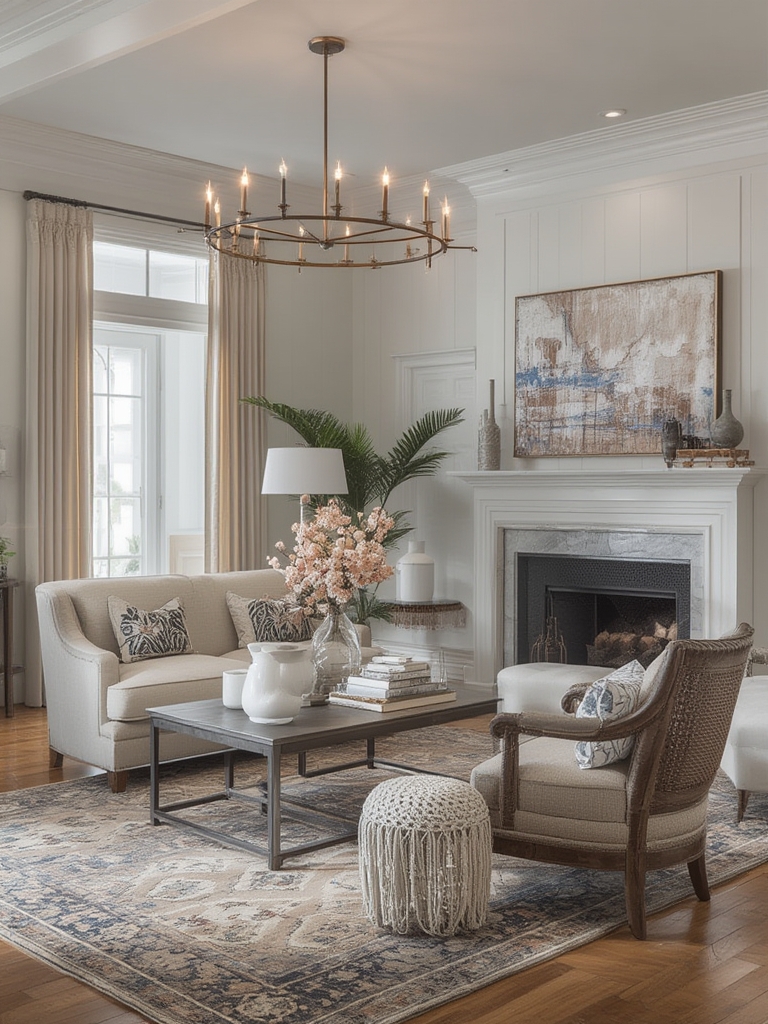
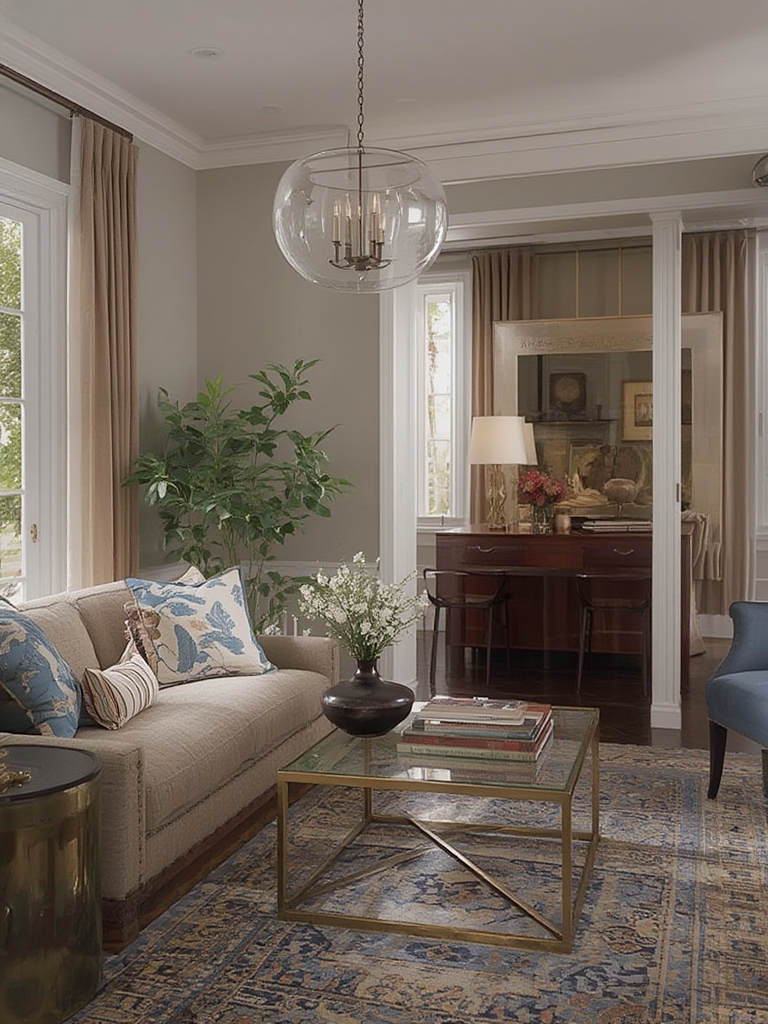
Transitional design blends the timeless elegance of classic interiors with the clean, relaxed vibe of contemporary spaces. The result is a balanced, inviting home that feels both sophisticated and comfortable. One of the easiest ways to bring this style to life is through thoughtful décor choices—especially the strategic use of plants. Below you’ll discover how to spotlight transitional design in every room, followed by a step‑by‑step guide to growing and caring for the perfect plant companion, the Fiddle Leaf Fig (Ficus lyrata), which adds height, texture, and a touch of nature to any transitional setting.
Key Elements of Transitional Design
Neutral Color Palette
Start with a base of soft neutrals—think warm whites, taupes, greys, and muted beiges. These hues create a calm backdrop that allows furniture and accessories to shine without clashing.
Mix of Classic and Modern Furniture
Pair a traditional, upholstered sofa with sleek, low‑profile coffee tables. Look for clean lines on modern pieces and subtle detailing on classic items. This juxtaposition keeps the space from feeling too formal or too casual.
Layered Textures
Combine plush rugs, smooth leather, brushed metal, and natural wood. Texture adds depth and visual interest, making the room feel curated rather than staged.
Balanced Lighting
Use a mix of ambient, task, and accent lighting. A classic chandelier paired with contemporary floor lamps and strategically placed LED strip lights can highlight architectural features and décor accents.
Artwork and Accessories
Choose artwork that blends abstract modern pieces with timeless prints. Decorative objects—like ceramic vases, brass candlesticks, and woven baskets—should echo the room’s color scheme while adding personality.
Integrating Plants into Transitional Spaces
Plants are the natural bridge between the old and the new. Their organic forms soften sharp lines, while their green hues inject life into neutral palettes. The Fiddle Leaf Fig, with its bold, sculptural leaves, is a favorite for transitional interiors because it stands tall like a statement piece yet remains understated enough to blend with various décor styles.
Step‑by‑Step Guide to Growing a Healthy Fiddle Leaf Fig
1. Choose the Right Location
- Light: Place the fig near a bright, east‑ or west‑facing window. It needs at least 4–6 hours of indirect sunlight daily. Direct midday sun can scorch the leaves, while too little light causes leggy growth.
- Temperature: Keep the room between 65°F – 75°F (18°C – 24°C). Avoid drafts from doors, windows, or HVAC vents, as sudden temperature changes stress the plant.
- Air Circulation: A gentle breeze helps prevent fungal issues. A ceiling fan on low speed works well, but avoid direct gusts.
2. Select the Proper Pot and Soil
- Pot Size: Choose a container that’s 2–3 inches larger in diameter than the current root ball. This gives room for growth without overwhelming the plant.
- Drainage: Ensure the pot has drainage holes. Add a layer of broken pottery shards or a mesh liner at the bottom to improve water flow.
- Soil Mix: Use a well‑draining indoor potting mix—ideally a blend of peat moss, perlite, and pine bark (2:1:1). This mimics the plant’s natural, airy soil conditions.
3. Watering Technique
- Frequency: Water when the top 2 inches of soil feel dry to the touch. In most homes, this translates to once every 7–10 days, but adjust for seasonal humidity.
- Method: Water thoroughly until water drains out of the bottom holes. Discard any excess water that collects in the saucer to prevent root rot.
- Tip: Use lukewarm water (room temperature) to avoid shocking the roots.
4. Feeding and Fertilizing
- Schedule: Feed the fig every 4–6 weeks during the growing season (spring through early fall). Reduce feeding in winter when growth naturally slows.
- Fertilizer Type: Choose a balanced, water‑soluble fertilizer with an N‑P‑K ratio of 3‑1‑2 (e.g., 10‑30‑20). Dilute to half the recommended strength to avoid nutrient burn.
- Application: Apply the fertilizer to moist soil, not dry, to improve absorption.
5. Pruning and Shaping
- Purpose: Pruning controls size, encourages bushier growth, and removes damaged leaves.
- When: Early spring is ideal, before new growth begins. Use clean, sharp pruning shears.
- How: Cut just above a node (the point where a leaf meets the stem). For a more compact look, trim the top to maintain a height that fits your ceiling height and furniture arrangement.
6. Managing Common Issues
- Brown Leaf Edges: Often caused by low humidity or inconsistent watering. Increase humidity with a pebble tray or a room humidifier.
- Yellow Leaves: May indicate overwatering. Check soil moisture and ensure proper drainage.
- Pests: Look for spider mites, mealybugs, and scale insects. Treat infestations early with neem oil or insecticidal soap, applying every 7 days until resolved.
7. Repotting for Longevity
- Timing: Repot every 2–3 years, or when roots become visible through the drainage holes.
- Process: Gently loosen the root ball, trim any dead or overly long roots, and place the plant in fresh soil within a slightly larger pot.
- Aftercare: Keep the fig out of direct sunlight for a week post‑repot to reduce transplant shock, and resume regular watering once the soil stabilizes.
Styling Tips: Pairing the Fiddle Leaf Fig with Transitional Décor
Placement Ideas
- Living Room Focal Point: Position the fig beside a sleek, low‑profile sofa. Its height draws the eye upward, complementing a statement chandelier.
- Entryway Greeting: Place a smaller fig in a decorative woven basket near the front door. It welcomes guests with a burst of greenery while echoing natural textures.
- Bedroom Balance: Use a fig on a nightstand or a corner floor stand to add calm without overwhelming the space.
Complementary Accessories
- Planters: Choose neutral ceramic or matte metal pots that echo the room’s color palette. A textured terracotta pot adds a subtle rustic touch.
- Layered Rugs: A soft, low‑pile rug under the plant’s pot anchors it and prevents water damage.
- Artwork Pairing: Hang a large abstract canvas above the plant to create a visual dialogue between art and nature.
Final Thoughts
Transitional design thrives on balance—mixing old with new, structured with relaxed, and static with living elements. By incorporating a well‑cared‑for Fiddle Leaf Fig, you not only enhance the aesthetic appeal of your space but also bring health‑boosting benefits of indoor greenery. Follow the practical steps above, and watch your plant flourish alongside your beautifully curated home.