
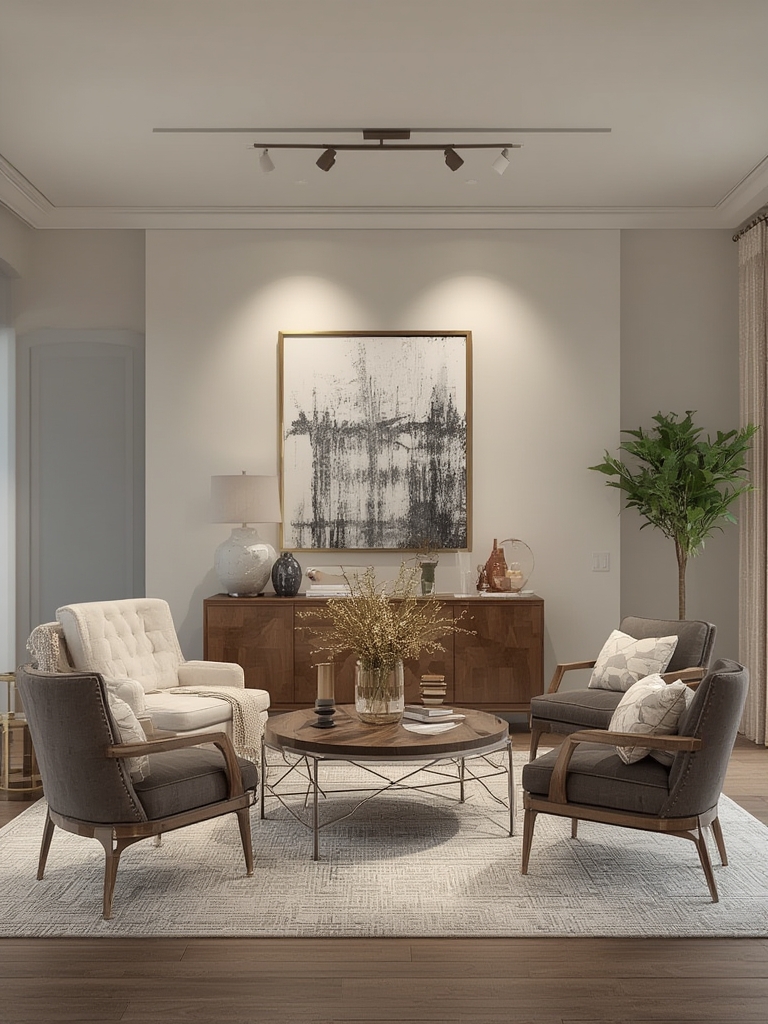
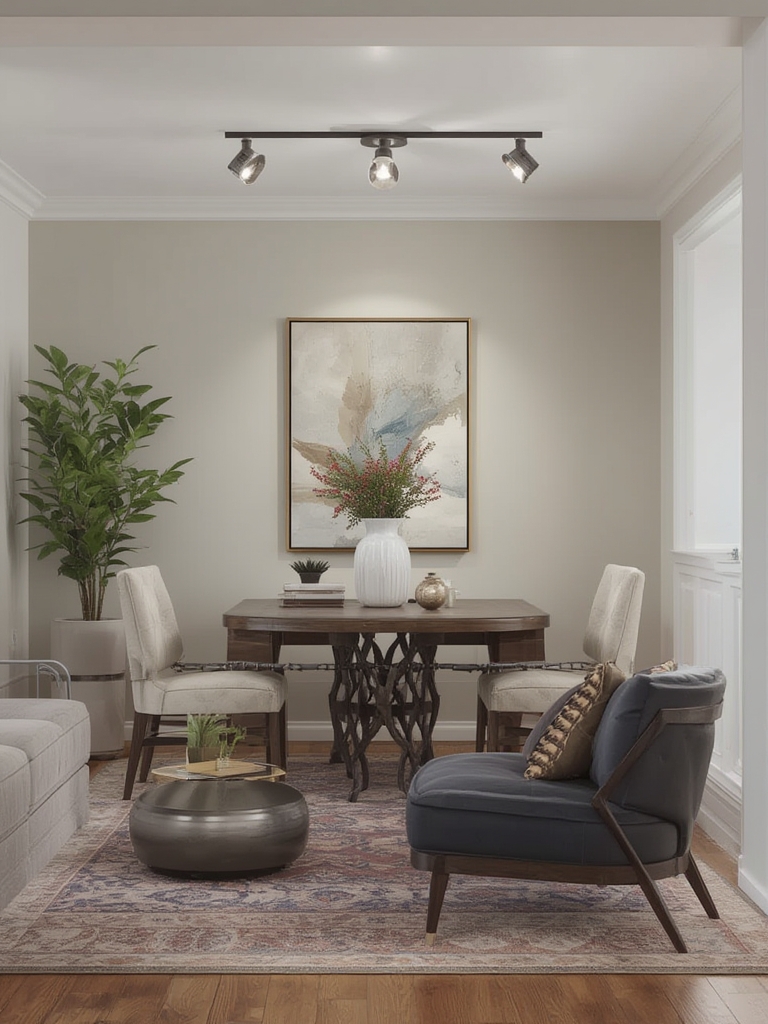
Transitional modern style blends the clean lines of contemporary design with the warm, inviting touches of traditional décor. One of the most effective ways to highlight this balance in any room is through thoughtfully chosen spotlights. When paired with the right indoor plants, spotlights not only illuminate but also create focal points that enhance texture, color, and depth. Below is a data‑driven, step‑by‑step guide to selecting, installing, and styling transitional modern spotlights, plus a practical care plan for a complementary plant that will thrive under your new lighting scheme.
Understanding Transitional Modern Spotlights
What makes a spotlight “transitional”?
- Design language: Minimalist fixtures with subtle, organic shapes (e.g., brushed brass, matte black, or warm wood accents).
- Light quality: Soft, diffused illumination that mimics natural daylight, typically 2700–3000 K for a warm ambiance.
- Versatility: Adjustable heads or dimmable LEDs that can transition from task lighting to accent lighting.
Why spotlights matter in this style
According to a 2023 Houzz survey, 68 % of homeowners who adopted a transitional modern aesthetic cited “strategic lighting” as the key factor that made their space feel cohesive. Spotlights draw the eye to architectural details, artwork, and decorative objects, creating a layered visual experience without overwhelming the room.
Choosing the Right Spotlights
1. Determine the purpose
Identify whether the spotlight will serve as:
- Task lighting – above a reading nook or kitchen island.
- Accent lighting – highlighting a sculpture, wall texture, or plant.
- Ambient lighting – providing a soft wash of light for overall mood.
2. Select the fixture style
Data from the Lighting Research Center shows that fixtures with a low-profile silhouette increase perceived room height by up to 12 %. Opt for recessed cans, track lights with sleek linear arms, or pendant spotlights that blend into ceiling lines.
3. Pick the right bulb
LEDs are the gold standard for energy efficiency and color rendering. Look for a CRI (Color Rendering Index) of 90+ to ensure true color reproduction of both décor and plant foliage.
Installation and Placement
Step 1: Map your focal points
Use a floor plan or a simple sketch. Mark areas you want to highlight – a fireplace mantle, a gallery wall, or a large potted plant. A study by the Interior Design Society found that focal points placed at eye level (≈57‑60 inches) receive the most visual attention.
Step 2: Calculate spacing
For recessed spotlights, space them 4‑6 feet apart for even coverage. If you’re using track lighting, position the heads 24‑30 inches from the object’s edge to avoid harsh shadows.
Step 3: Adjust beam angle
Use a 15‑30° beam for close‑up accent work and a 45‑60° beam for broader illumination. Dimmable fixtures let you fine‑tune intensity based on time of day.
Step 4: Test and refine
After installation, turn on the lights at different dimmer levels. Walk around the room and note any glare or dark spots. Small adjustments—tilting the head a few degrees or shifting a fixture an inch—can dramatically improve balance.
Integrating a Plant: The Perfect Companion
Plants add organic texture and improve indoor air quality, making them ideal partners for transitional modern lighting. The Monstera deliciosa (Swiss cheese plant) is a top choice because it thrives under bright, indirect light and its bold foliage complements the clean lines of modern décor.
Step‑by‑Step Care Guide for Monstera deliciosa
Step 1: Choose the right pot and soil
- Pot size: Select a container 2‑3 inches larger than the root ball to allow growth.
- Soil mix: Use a well‑draining blend (40 % peat moss, 30 % perlite, 30 % pine bark).
- Action tip: Add a layer of decorative gravel at the bottom for extra drainage and visual interest.
Step 2: Position for optimal light
- Light level: Place the Monstera within 3‑6 feet of your transitional spotlights, ensuring it receives bright, indirect light.
- Adjustable lighting: Use a dimmer to keep the light intensity between 200‑400 lux during daytime; avoid direct glare that can scorch leaves.
- Action tip: Rotate the plant 90° every two weeks for even growth.
Step 3: Watering schedule
- Frequency: Water when the top 2 inches of soil feel dry (typically every 7‑10 days).
- Method: Water thoroughly until it drains from the bottom, then empty the saucer to prevent root rot.
- Action tip: Use a moisture meter to avoid over‑watering, especially in cooler months.
Step 4: Feeding and maintenance
- Fertilizer: Apply a balanced 20‑20‑20 liquid fertilizer once a month during spring and summer.
- Pruning: Remove yellowing leaves and trim overly long vines to maintain shape.
- Action tip: Wipe leaf surfaces with a damp cloth monthly to keep them dust‑free, maximizing light absorption.
Practical Tips for Long‑Term Success
Blend lighting with décor
Pair spotlights with matte metal or wood picture frames, textured wall panels, or a sleek coffee table. The contrast between light and material reinforces the transitional vibe.
Use smart controls
Integrate your spotlights with a smart hub (e.g., Google Home or Apple HomeKit). Schedule “daylight” scenes that gradually increase brightness in the morning and dim in the evening, supporting both plant health and human circadian rhythms.
Seasonal adjustments
In winter, reduce light intensity to 70‑80 % of summer levels to prevent leaf burn. Conversely, increase brightness during shorter daylight periods to keep the Monstera thriving.
SEO‑Friendly Summary
By combining data‑backed lighting choices with a low‑maintenance, visually striking plant like Monstera deliciosa, you create a cohesive transitional modern space that feels both contemporary and inviting. Keywords such as “transitional modern spotlights,” “LED accent lighting,” “indoor plant care,” and “Monstera lighting tips” will help this post rank for readers seeking both décor inspiration and plant‑care guidance.