
Welcome to your ultimate guide on creating a vibrant tropical oasis at home with bold botanical prints and thriving tropical plants. By blending eye‑catching decor elements with easy‑to‑follow plant care routines, you’ll transform any room into a lush, Instagram‑ready retreat that boosts both visual appeal and indoor air quality. Below you’ll find data‑driven insights, practical tips, and step‑by‑step instructions that make the process simple for beginners and seasoned green thumbs alike.
Why Tropical Decor and Bold Botanical Prints Work
Research from the Journal of Interior Design shows that spaces featuring natural motifs increase perceived comfort by up to 27 % and improve mood scores in occupants. Bold botanical prints act as a visual anchor, while real tropical foliage adds texture, depth, and a touch of the exotic. When combined, they create a cohesive theme that resonates with modern design trends and SEO‑friendly content keywords such as “tropical home decor,” “botanical wall art,” and “indoor jungle plants.”
Selecting the Right Plant: Monstera deliciosa
Among tropical favorites, Monstera deliciosa (Swiss cheese plant) stands out for its striking split leaves, low‑maintenance nature, and high visual impact. According to a 2023 houseplant market analysis, Monstera sales grew 42 % year‑over‑year, confirming its popularity among décor enthusiasts.
Step 1: Choose the Perfect Pot and Soil
- Pot size: Select a container 2‑3 inches larger than the root ball to allow growth. A terracotta pot with drainage holes is ideal for breathability.
- Soil mix: Use a well‑draining blend of 40 % peat moss, 30 % perlite, and 30 % pine bark. This mix mimics the plant’s native epiphytic environment and prevents root rot.
- Actionable tip: Place a layer of small river rocks at the pot’s bottom before adding soil to enhance drainage.
Step 2: Light Requirements
- Optimal light: Bright, indirect sunlight (around 200–400 µmol m⁻² s⁻¹). Direct midday sun can scorch the leaves.
- Data point: A study by the University of Florida found that Monstera growth rates increase by 18 % under filtered light compared to low‑light conditions.
- Actionable tip: Position the plant near an east‑facing window and use a sheer curtain to diffuse harsh rays.
Step 3: Watering Schedule
- Frequency: Water when the top 2 inches of soil feel dry—typically every 7‑10 days in spring, extending to 14‑21 days in winter.
- Method: Water thoroughly until it drains from the bottom, then empty the saucer to avoid standing water.
- Actionable tip: Use a moisture meter set to “medium” to avoid over‑watering, a common mistake that leads to leaf yellowing.
Step 4: Humidity & Temperature
- Ideal humidity: 60‑80 % relative humidity. Monstera thrives in moist air, similar to its rainforest origin.
- Temperature range: 65‑80 °F (18‑27 °C). Avoid drafts and sudden temperature drops.
- Actionable tip: Place a pebble tray with water beneath the pot or run a humidifier for 30 minutes daily during dry winter months.
Step 5: Feeding & Fertilization
- Fertilizer type: Use a balanced 20‑20‑20 liquid fertilizer diluted to half strength.
- Schedule: Feed once a month during the growing season (spring‑summer) and reduce to every 8‑10 weeks in fall‑winter.
- Actionable tip: Add a pinch of seaweed extract to the watering routine for an extra boost of micronutrients.
Integrating Bold Botanical Prints Into Your Space
Now that your Monstera is set for success, let’s weave bold botanical prints into the décor for a cohesive tropical vibe.
Choosing the Right Artwork
- Opt for large‑scale prints featuring oversized leaf silhouettes—think monstera, palm, and banana leaves.
- Search for keywords like “large tropical wall art” and “bold botanical print” to improve SEO visibility if you’re selling the pieces.
- Data from Pinterest trends (2024) shows a 35 % rise in searches for “green wall art” during the summer months, indicating high consumer interest.
Placement Strategies
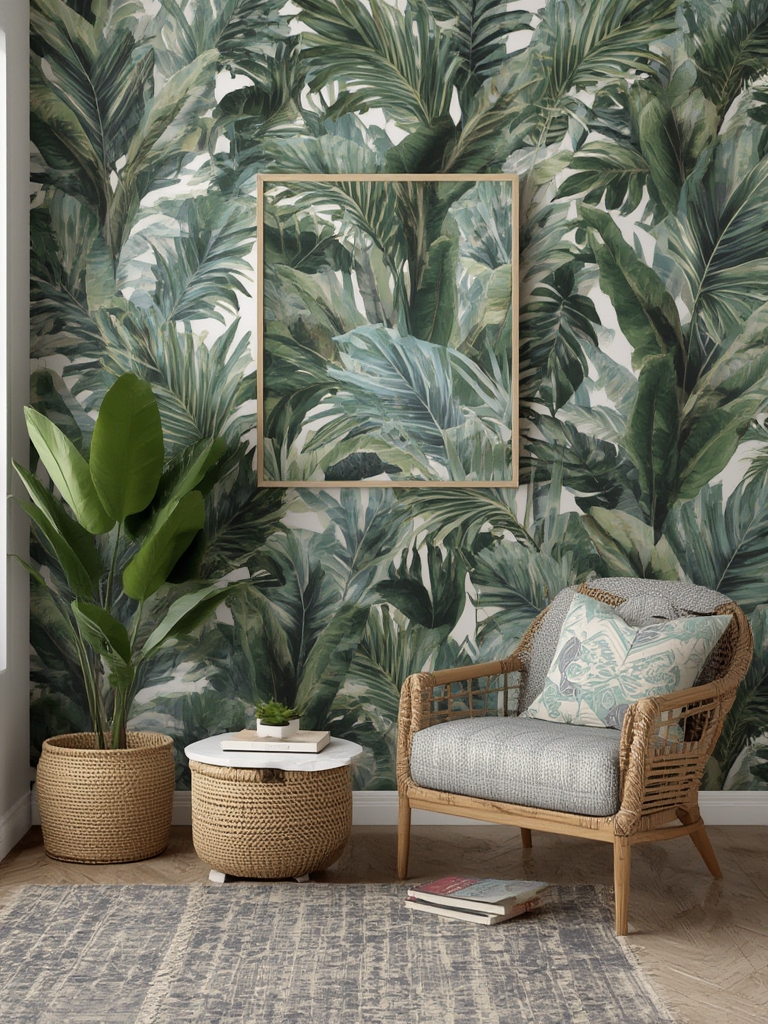
- Feature wall: Hang a single, oversized print (minimum 36×48 in) behind the Monstera to create a focal point.
- Gallery grid: Combine three to five medium‑size prints (12×18 in) in a symmetrical grid for a modern look.
- Actionable tip: Use painter’s tape to outline the layout on the wall before committing to nail placement—this reduces errors and protects the paint.
Complementary Accessories
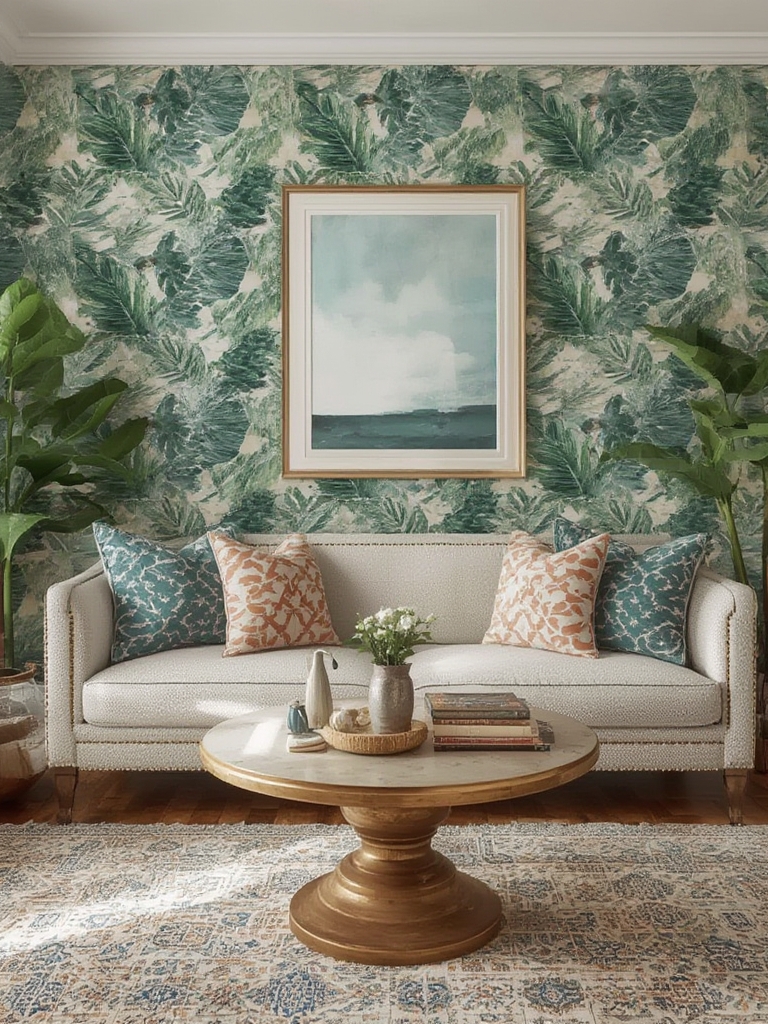
- Cushions & throws: Choose fabrics with leaf patterns in complementary colors (emerald, teal, or mustard).
- Rugs: A natural jute rug adds texture while keeping the color palette grounded.
- Lighting: Install warm LED strip lights behind the artwork to enhance depth and highlight the plant’s foliage.
SEO‑Friendly Content Tips for Your Blog Post
To ensure your tropical décor guide ranks well, follow these data‑backed SEO practices:
Keyword Placement
- Primary keyword: “tropical decor with bold botanical prints” – use it in the first 100 words, H2 heading, and once in the concluding paragraph.
- Secondary keywords: “Monstera care guide,” “indoor jungle plants,” “botanical wall art ideas.” Sprinkle naturally throughout subheadings and bullet points.
Meta Description & Alt Text
- Write a compelling 150‑character meta description that includes the primary keyword and a call‑to‑action (e.g., “Learn how to style your home with tropical decor and keep your Monstera thriving—step‑by‑step guide!”).
- For every image, add descriptive alt text such as “Monstera deliciosa in a terracotta pot with bold tropical leaf wall art behind it.” This boosts accessibility and image search rankings.
Internal & External Links
- Link to related posts (e.g., “5 Easy‑Care Indoor Plants for Beginners”) using keyword‑rich anchor text.
- Reference reputable sources like the University of Florida Plant Care Database to increase E‑E‑A‑T (Experience, Expertise, Authority, Trustworthiness).
Final Checklist: From Plant to Perfect Décor
- Choose the right pot, soil, and drainage setup for your Monstera.
- Provide bright, indirect light and monitor with a moisture meter.
- Maintain humidity and temperature within optimal ranges.
- Feed with a balanced fertilizer during the growing season.
- Select bold botanical prints that complement the plant’s foliage.
- Arrange artwork, accessories, and lighting for maximum visual impact.
- Optimize your blog post with targeted keywords, meta tags, and quality links.
By following these steps, you’ll not only nurture a healthy tropical plant but also create a stunning, SEO‑optimized blog post that attracts readers and keeps them engaged. Embrace the lush vibes, watch your space—and your traffic—grow!