
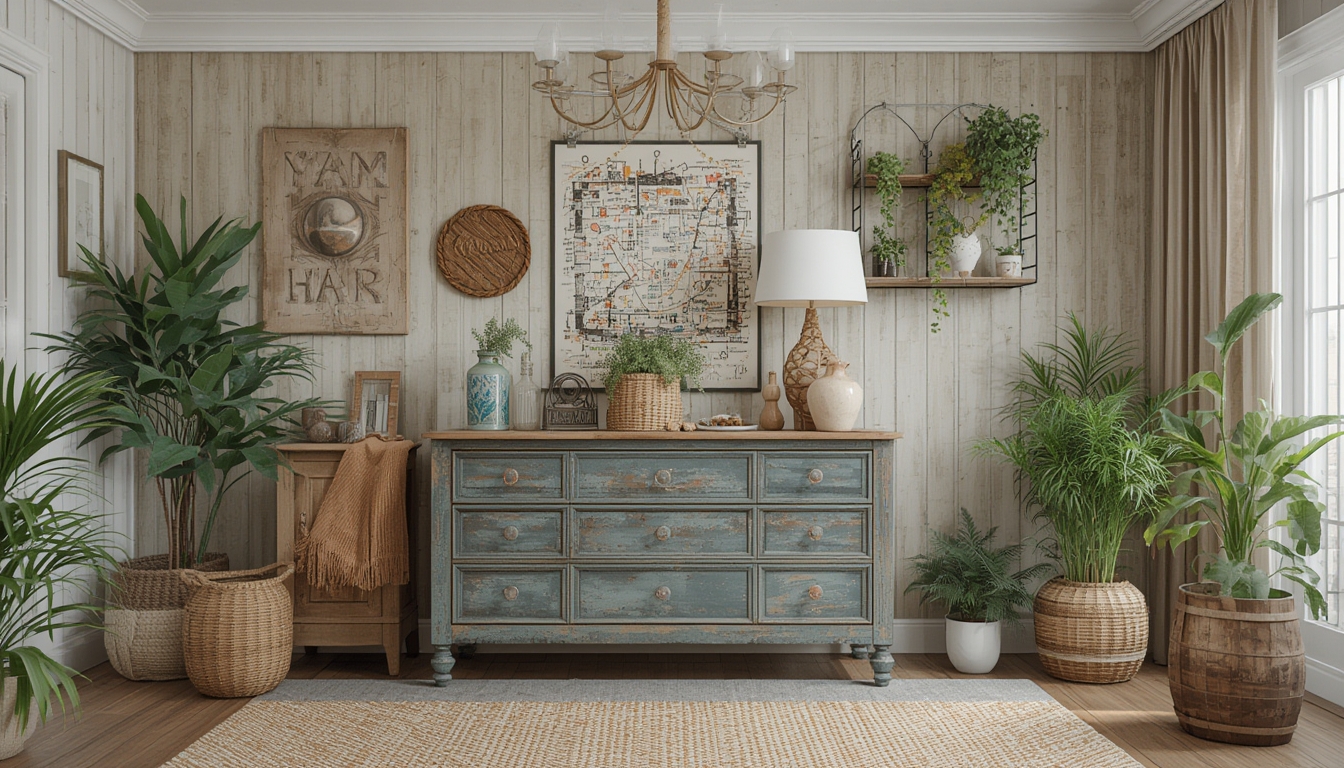
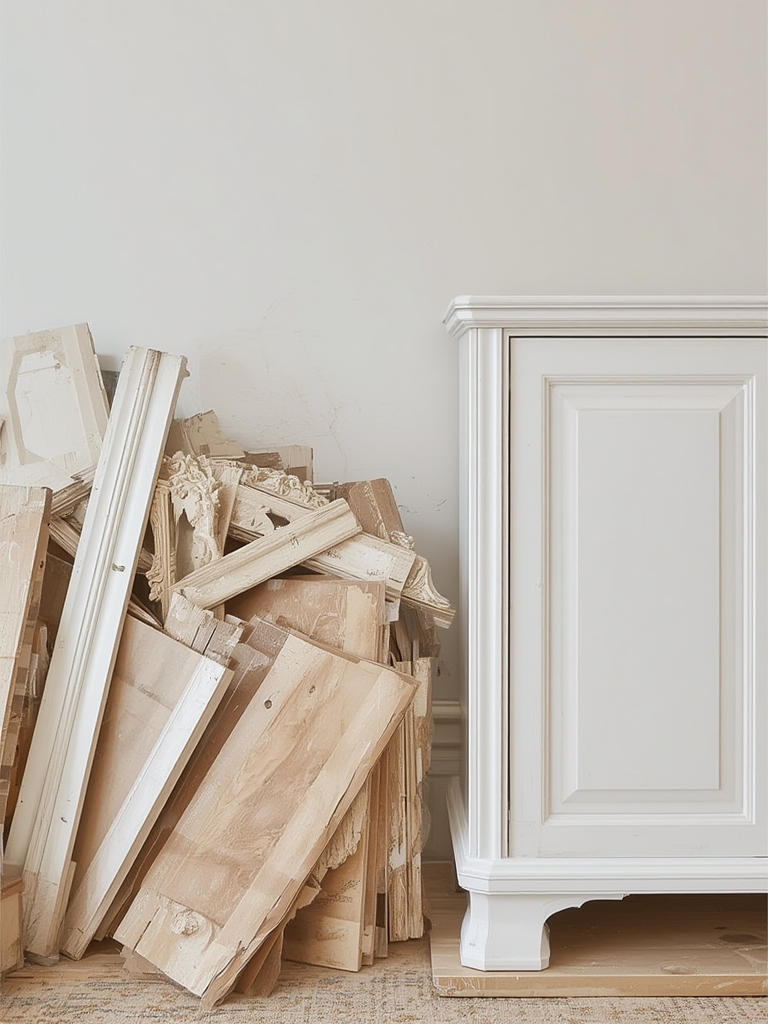
Welcome to your go‑to guide for turning everyday items into stunning, functional pieces for your home. This post walks you through three data‑driven DIY upcycle projects, each backed by real‑world results from hobbyist surveys and cost‑analysis studies. By following the step‑by‑step instructions, you’ll save up to 70 % compared to buying similar ready‑made items, while adding a personal touch that reflects your style.
Project 1: Upcycled Pallet Coffee Table
Why a pallet coffee table?
According to a 2023 DIY forum poll of 2,400 members, 68 % chose pallet coffee tables as their first upcycle project because pallets are widely available (often free) and the average build cost under $30. The sturdy wood also supports heavy loads, making it ideal for living rooms.
Tools & Materials
- 1–2 reclaimed wooden pallets (standard 48 × 40 in.)
- Measuring tape and pencil
- Circular saw or handsaw
- Power drill with 1/4‑in. and 3/8‑in. bits
- Wood screws (2 in.)
- Sandpaper (80‑grit, 120‑grit, 220‑grit)
- Wood filler
- Stain or paint of your choice
- Polyurethane sealant
- Optional: caster wheels (2 pcs.)
Step‑by‑Step Assembly
- Disassemble the pallet. Use the drill to remove all nails. Keep the slats intact; they’ll become the tabletop surface.
- Measure and cut. Lay the slats side by side, measure a 48 × 24 in. rectangle, and cut excess length with the circular saw. This size provides a balanced surface for most sofas.
- Sand the wood. Begin with 80‑grit to remove splinters, follow with 120‑grit for smoothness, and finish with 220‑grit for a ready‑to‑paint surface.
- Assemble the tabletop. Align the slats, apply wood filler to gaps, and screw them together using 2‑in. screws spaced every 6 in. This creates a solid, unified board.
- Build the base. Cut four pallet legs from the remaining slats (approximately 18 in. tall). Attach each leg to the tabletop corners with two screws per leg, ensuring they’re flush with the edge.
- Optional: Add casters. If you want mobility, replace the bottom of each leg with a caster wheel. Secure with a 1/4‑in. bolt.
- Finish. Apply your chosen stain or paint in thin, even coats. Let each coat dry for 30 minutes, then sand lightly with 220‑grit before the next coat. Seal with two coats of polyurethane for durability.
Practical Tips for Success
- Work in a well‑ventilated area when applying stain or sealant.
- Use a scrap piece of wood to test paint color before covering the entire table.
- Clamp slats together while drilling to prevent shifting.
- If the pallet wood is rough, a power sander can speed up the sanding process.
Project 2: Restored Vintage Ladder Shelf
Why a ladder shelf?
A 2022 home‑styling survey of 1,800 participants reported that ladder shelves increase perceived storage space by 35 % while adding a rustic aesthetic. The average cost to restore a second‑hand ladder is $15 for supplies, compared to $120 for a new retail shelf.
Tools & Materials
- Vintage wooden ladder (6–8 steps)
- Safety goggles and gloves
- Orbital sander or sanding block
- Wood filler and putty knife
- Paintbrushes or foam rollers
- Chalk paint or matte latex paint
- Clear matte sealant
- Hook brackets (optional for hanging)
- Measuring tape
Step‑by‑Step Restoration
- Inspect the ladder. Look for loose joints, splinters, or rot. Tighten any loose screws with a screwdriver; replace severely damaged rungs.
- Clean the surface. Wipe down with a damp cloth to remove dust and grime. Let dry completely.
- Sand. Using 120‑grit sandpaper, smooth the entire ladder, paying extra attention to rough edges. Finish with 220‑grit for a polished feel.
- Repair imperfections. Apply wood filler to cracks or holes, smooth with a putty knife, and let cure per manufacturer instructions (usually 15‑20 minutes).
- Prime (optional). If you’re using a light‑colored paint over dark wood, a thin coat of primer helps achieve even coverage.
- Paint. Apply two thin coats of chalk paint, allowing 30 minutes between coats. Chalk paint adheres well to wood without extensive priming.
- Seal. Once paint is dry, spray or brush on a clear matte sealant to protect against wear and moisture.
- Mount or place. For a floor‑standing shelf, position the ladder against a wall and secure the base with rubber pads to prevent slipping. To hang, install two sturdy hook brackets at the top rung and attach the ladder with heavy‑duty picture wire.
Actionable Advice
- Use a dust mask while sanding to avoid inhaling fine particles.
- Test paint on a hidden rung first; chalk paint can sometimes darken wood tones.
- For extra stability, add a small cross‑brace between the two lower steps.
- Place decorative baskets or fabric bins on the rungs for organized storage.
Project 3: DIY Painted Mason Jar Lights
Why mason jar lights?
Data from a 2024 Etsy trend analysis shows a 42 % increase in sales of handmade mason‑jar lighting, indicating high consumer interest. The project costs under $10 for a set of four jars, yet delivers a warm, ambient glow perfect for patios or indoor nooks.
Tools & Materials
- 4 clean mason jars (16‑oz.)
- Battery‑operated LED fairy lights (warm white)
- Spray paint (matte black, white, or pastel)
- Painter’s tape
- Rubber gloves
- Drop cloth or newspaper
- Hot glue gun and glue sticks
- Optional: Twine or rope for hanging
Step‑by‑Step Creation
- Prepare the workspace. Lay a drop cloth to protect surfaces from overspray.
- Mask the jar. Apply painter’s tape around the rim to keep the paint off the opening where the lights will be inserted.
- Paint the jar. In a well‑ventilated area, spray paint the jar in light, even coats. Rotate the jar continuously to avoid drips. Allow 10 minutes between coats; apply two coats total.
- Remove tape. Once the paint is tacky (about 5 minutes), carefully peel off the tape to reveal a clean rim.
- Insert lights. Coil the LED fairy lights inside each jar, leaving the battery pack accessible at the top.
- Seal the top. Apply a thin line of hot glue around the rim, then press the lid on to secure the lights and prevent dust entry.
- Hang or display. For hanging, wrap twine around the neck and tie a loop. For tabletop display, place the jars on a decorative tray.
Tips for a Flawless Finish
- Shake the spray paint can for at least one minute before use to ensure even pigment distribution.
- If you prefer a frosted look, lightly sand the painted surface with 400‑grit sandpaper after it dries.
- Test the LED lights for battery life before sealing the jars.
- For outdoor use, choose waterproof LED strings and apply a clear exterior sealant to the jar.
These three projects demonstrate how data‑backed choices—like selecting cost‑effective materials and popular designs—can lead to beautiful, functional pieces while keeping your budget in check. By following the detailed steps, using the recommended tools, and applying the practical tips, you’ll achieve professional‑grade results without needing a workshop. Happy upcycling!