

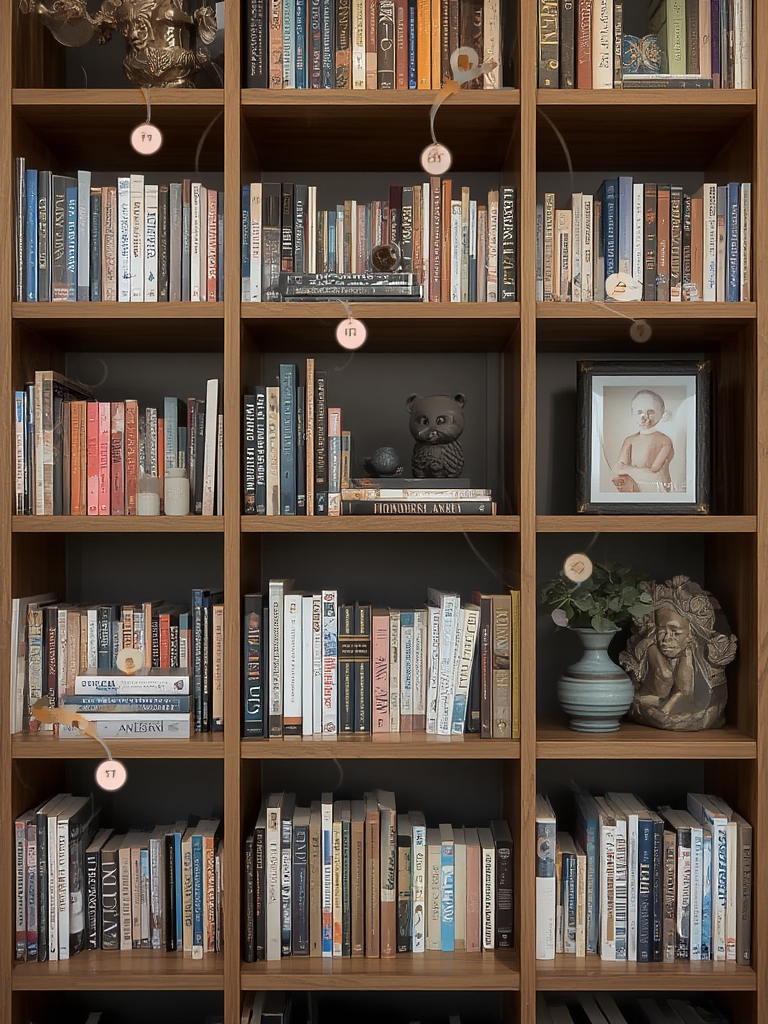
Living Room Revival: Transforming the Heart of Your Home
Step 1 – Declutter and Assess
Start by removing everything that doesn’t belong in the living room. Sort items into three piles: keep, donate/sell, and discard. This clears the space and gives you a clear view of what you have to work with.
- Tools needed: sturdy trash bags, donation boxes, a notepad for inventory.
- Actionable tip: Take a photo of the room before you begin. It will help you track progress and decide on layout changes.
Step 2 – Repair and Refresh Surfaces
Inspect walls, baseboards, and trim for cracks, nail holes, or scuffs. Fill imperfections with spackle, sand smooth, and apply a fresh coat of paint in a neutral tone to create a cohesive backdrop.
- Tools needed: spackle, putty knife, sandpaper (120‑grit), painter’s tape, roller and brush, drop cloth.
- Actionable tip: Use a small “paint sample” swatch on the wall to test lighting at different times of day before committing to a color.
Step 3 – Update Furniture Layout
Re‑arrange sofas, chairs, and coffee tables to improve traffic flow. Aim for a conversational zone centered around a focal point—whether it’s a fireplace, a large window, or a piece of art.
- Tools needed: furniture sliders (to protect floors), measuring tape.
- Actionable tip: Measure the distance from the focal point to each seating piece; aim for 8‑10 feet for comfortable viewing.
Step 4 – Add Soft Textures
Introduce new throw pillows, a cozy rug, and curtains that complement your color palette. These elements instantly lift the room’s warmth without a major investment.
- Tools needed: rug pad, curtain rod (if replacing), fabric scissors.
- Actionable tip: Choose a rug that’s at least 2‑3 feet larger than the coffee table to anchor the seating area.
Step 5 – Light It Up
Layer lighting with a combination of ambient (ceiling fixture), task (floor lamp), and accent (table lamps or LED strips). Replace outdated bulbs with warm‑white LEDs for energy efficiency.
- Tools needed: screwdriver, voltage tester, LED bulbs.
- Actionable tip: Install a dimmer switch to adjust mood throughout the day.
Bedroom Revival: Crafting a Restful Retreat
Step 1 – Strip Down to the Basics
Remove all bedding, nightstands, and décor. This gives you a blank canvas to assess the room’s structural needs.
- Tools needed: storage bins for linens, a vacuum with upholstery attachment.
- Actionable tip: Sort bedding by season; store off‑season items in a labeled container under the bed.
Step 2 – Repair Walls and Flooring
Patch any wall damage, sand rough spots, and consider a fresh coat of paint in soothing hues like soft blues or greys. If the floor is scuffed, give it a deep clean or apply a protective sealant.
- Tools needed: wall primer, paint, floor cleaner, microfiber mop.
- Actionable tip: Use a paint roller with a ½‑inch nap for smooth walls; a thicker nap works better on textured surfaces.
Step 3 – Optimize the Bed Placement
Position the bed against the longest uninterrupted wall, leaving space on both sides for nightstands. Ensure the headboard is not directly under a window to avoid drafts.
- Tools needed: level, stud finder.
- Actionable tip: Anchor the headboard to the wall studs for added stability.
Step 4 – Introduce Functional Storage
Swap out bulky dressers for sleek, multi‑drawer units or under‑bed storage boxes. Add a closet organizer system to maximize hanging space.
- Tools needed: screwdriver set, measuring tape.
- Actionable tip: Install a pull‑out shoe rack inside the closet to keep footwear organized and out of sight.
Step 5 – Create a Calming Atmosphere
Layer soft lighting with bedside lamps, a dimmable ceiling fixture, and a subtle nightlight. Add blackout curtains or blinds for better sleep quality.
- Tools needed: curtain brackets, blackout fabric, lamp bases.
- Actionable tip: Choose lamps with a warm color temperature (2700‑3000K) to promote relaxation.
Kitchen Revival: From Functional to Fabulous
Step 1 – Deep Clean and Declutter
Empty cabinets, drawers, and pantry shelves. Discard expired food, broken utensils, and duplicate gadgets. Wipe down every surface with a degreasing cleaner.
- Tools needed: pantry bins, cleaning spray, microfiber cloths.
- Actionable tip: Label pantry containers for easy identification and to prevent over‑stocking.
Step 2 – Refresh Cabinetry
If the cabinet doors are in good shape, give them a fresh coat of paint or a new veneer. Replace dated hardware with brushed nickel or matte black knobs for an instant update.
- Tools needed: sandpaper (220‑grit), primer, paint, screwdriver, hardware set.
- Actionable tip: Remove cabinet doors, sand lightly, and use a high‑quality primer to ensure paint adhesion.
Step 3 – Upgrade Countertops
Consider a cost‑effective laminate or a durable quartz overlay if the existing surface is worn. For a quick refresh, apply a countertop resurfacing kit.
- Tools needed: resurfacing kit, roller, protective gloves.
- Actionable tip: Follow the manufacturer’s cure time strictly; avoid placing hot pans for at least 24 hours.
Step 4 – Optimize Workflow
Arrange the “kitchen triangle” (sink, stove, refrigerator) to minimize movement. Add a rolling island or a portable prep cart if space permits.
- Tools needed: measuring tape, level, caster wheels.
- Actionable tip: Keep the distance between each point of the triangle between 12‑18 feet for maximum efficiency.
Step 5 – Add Finishing Touches
Install under‑cabinet LED strips for task lighting, hang a stylish backsplash tile, and place a few decorative jars or a herb garden on the windowsill.
- Tools needed: LED strip kit, tile adhesive, small pots.
- Actionable tip: Use a waterproof adhesive for backsplash tiles to prevent moisture damage.
Bathroom Revival: Spa‑Like Simplicity
Step 1 – Clear Out and Clean
Remove all toiletries, towels, and accessories. Scrub tiles, grout, and fixtures with a bathroom‑specific cleaner to eliminate soap scum and mildew.
- Tools needed: grout brush, squeegee, cleaning solution.
- Actionable tip: After cleaning, run a squeegee over glass doors to keep them streak‑free.
Step 2 – Re‑Grout or Seal
If grout is cracked or discolored, re‑grout the affected areas. For a low‑maintenance option, apply a grout sealant after it cures.
- Tools needed: grout mix, rubber float, sealant spray.
- Actionable tip: Use a color‑matched grout to blend seamlessly with existing tiles.
Step 3 – Upgrade Fixtures
Swap out dated faucet handles, showerheads, and towel bars for modern finishes. A rain‑shower head can instantly elevate the experience.
- Tools needed: adjustable wrench, plumber’s tape.
- Actionable tip: Turn off the water supply before replacing fixtures to avoid leaks.
Step 4 – Add Storage Solutions
Install floating shelves, a medicine cabinet with mirrored doors, or a tiered organizer inside the shower to keep essentials tidy.
- Tools needed: drill, wall anchors, level.
- Actionable tip: Use stainless‑steel or acrylic shelves to resist moisture.
Step 5 – Introduce Soft Accents
Lay a plush bath mat, hang a set of coordinating towels, and place a scented candle or diffuser for a spa‑like ambiance.
- Tools needed: adhesive hooks (for towels), non‑slip mat.
- Actionable tip: Choose a mat with a rubber backing to prevent slipping on wet floors.
Entryway Revival: First Impressions Matter
Step 1 – Clean and Declutter
Remove shoes, coats, and any stray items. Sweep or vacuum the floor, and wipe down the door and walls.
- Tools needed: broom, vacuum, all‑purpose cleaner.
- Actionable tip: Keep a small basket for “keys and mail” to prevent clutter from building up.
Step 2 – Install Functional Storage
Mount a slim coat rack, add a shoe bench with hidden storage, or place a narrow console table for decorative pieces.
- Tools needed: drill, level, mounting hardware.
- Actionable tip: Measure the width of the entryway to ensure the bench doesn’t obstruct traffic flow.
Step 3 – Enhance Lighting
Replace a dated pendant or wall sconce with a brighter LED fixture. Consider a motion‑sensor light for convenience.
- Tools needed: screwdriver, wire nuts, voltage tester.
- Actionable tip: Position the light at eye level for optimal illumination.
Step 4 – Add a Welcoming Touch
Hang a small piece of artwork, place a vase with fresh flowers, or lay a runner rug that complements the overall color scheme.
- Tools needed: picture hooks, rug pad.
- Actionable tip: Choose a runner with a low pile to keep it easy to clean.
Step 5 – Maintain the Revitalized Space
Set a weekly 10‑minute routine to straighten shoes, wipe down surfaces, and refresh any decorative elements.
- Tools needed: microfiber cloth, small organizer.
- Actionable tip: Keep a “quick‑clean” kit by the door to encourage regular upkeep.