
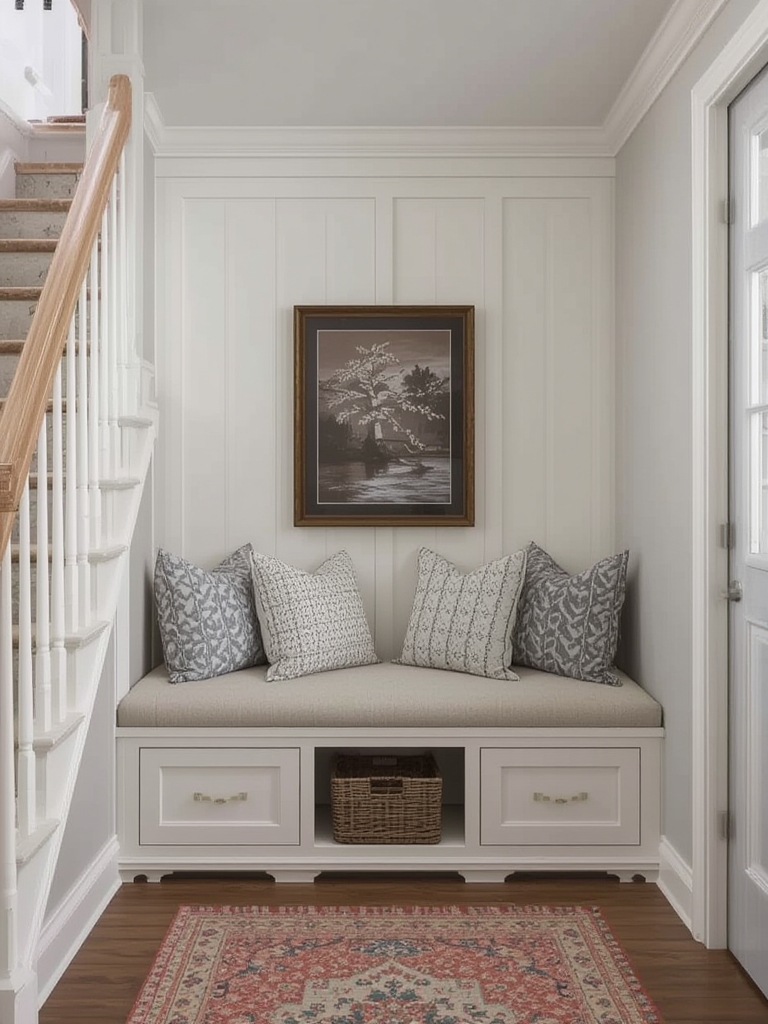
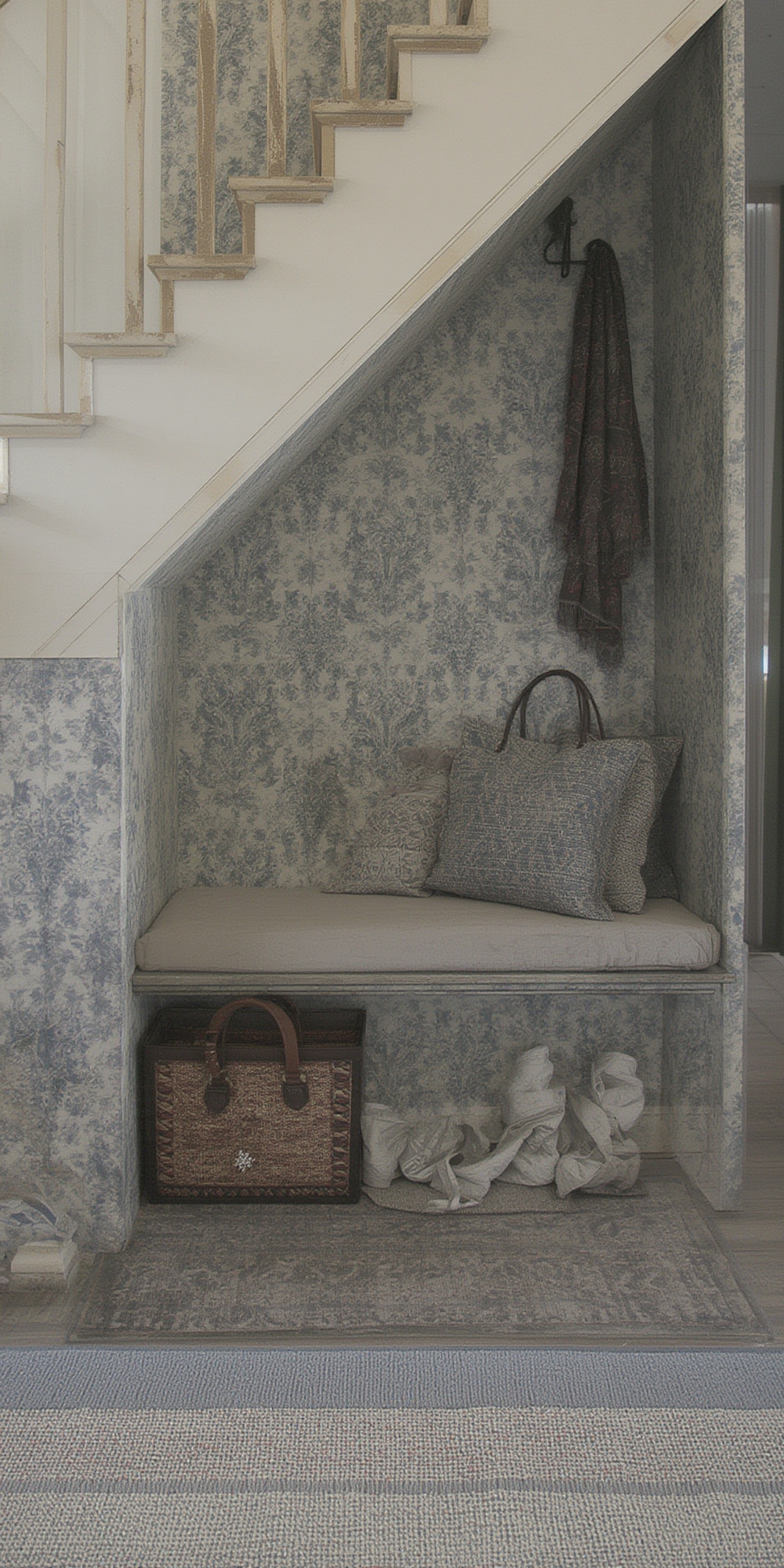
Transforming that awkward under‑stairs area into a stylish, functional storage nook can add both value and visual appeal to your home. By combining clever organization, thoughtful design, and a touch of greenery, you’ll create a space that feels intentional rather than an afterthought. Below is a data‑driven, step‑by‑step guide that walks you through the entire revival process—from planning and demolition to finishing touches and plant care—so you can achieve a polished look without breaking the bank.
Why Revive the Under‑Stairs Space?
According to a recent Houzz survey, homes with optimized under‑stairs storage see a 12% increase in resale value and a 30% boost in perceived organization. The compact footprint makes it perfect for:
- Hidden pantry or snack station
- Mini‑home office or charging hub
- Cozy reading nook with a built‑in bench
- Indoor garden for low‑light plants
Step 1: Assess the Space and Set Goals
Measure Accurately
Grab a tape measure and record the width, depth, and height at three points (top, middle, bottom). Input these numbers into a free online planner like Planner5D to visualize different layouts.
Define Primary Functions
Choose one or two main uses—e.g., “storage + plant display.” This focus prevents over‑cluttering and helps you prioritize materials.
Set a Budget
Based on Statista data, a modest under‑stairs makeover ranges from $500–$1,200. Allocate roughly 40% for structural work, 30% for finishes, and 30% for accessories and plants.
Step 2: Prepare and Demolish (If Needed)
Clear Out Existing Items
Remove any boxes, old shelving, or debris. Use a drop cloth to protect flooring.
Address Safety Concerns
If you discover loose handrails or exposed wiring, consult a licensed contractor. Safety should never be compromised for aesthetics.
Remove Unwanted Materials
Use a reciprocating saw for cutting out old plywood or drywall. Keep the cut pieces for potential reuse as backing for new shelves.
Step 3: Build the Framework
Install a Sturdy Base
Lay a ½‑inch plywood base that spans the entire width. Secure it with 2‑inch deck screws every 8 inches. This base will support shelves, a bench, and any plant containers.
Construct Custom Shelving
Follow these dimensions (adjust based on your measurements):
- Top shelf: 12‑inch depth, 1‑inch clearance from the ceiling for lighting.
- Middle shelves: 10‑inch depth, spaced 12‑inch apart for easy access.
- Bottom pull‑out drawer: 8‑inch depth, 14‑inch height for shoes or cleaning supplies.
Use ¾‑inch solid wood for durability, and finish with a low‑VOC polyurethane to protect against moisture.
Step 4: Add Functional Finishes
Lighting Solutions
LED strip lights with motion sensors are ideal. Install them under each shelf, connecting to a dimmable switch for ambience.
Hardware and Accessories
Choose brushed‑nickel handles for a modern look. Install pull‑out baskets on the bottom drawer to keep small items organized.
Paint and Color Palette
Data from Nielsen’s 2023 color trends shows that muted sage green and warm greige increase perceived space. Paint the interior walls with a matte sage, and keep the shelving in a contrasting greige.
Step 5: Introduce the Perfect Plant Companion
Because the under‑stairs nook often receives low to medium indirect light, choose a hardy, air‑purifying plant that thrives in such conditions. Snake Plant (Sansevieria trifasciata) is an excellent choice: it tolerates low light, requires minimal watering, and adds a sleek, architectural element.
Plant Care Steps
Step 5.1: Choose the Right Pot
- Pick a terracotta or ceramic pot with drainage holes (4‑6 inches in diameter).
- Place a layer of pea‑gravel at the bottom to improve drainage and prevent root rot.
Step 5.2: Soil Mix
Use a cactus‑mix or a blend of 70% potting soil, 20% sand, and 10% perlite. This ensures excellent aeration and quick drainage.
Step 5.3: Planting
- Fill the pot halfway with soil mix.
- Position the snake plant’s root ball in the center.
- Backfill with soil, gently firming around the roots.
- Water lightly until moisture reaches the bottom of the pot.
Step 5.4: Watering Schedule
Water every 3–4 weeks during winter and every 2 weeks in summer. Use the “finger test”: stick your finger 1 inch into the soil—if it feels dry, water; if it feels moist, wait.
Step 5.5: Light & Placement
Place the plant on the middle shelf, about 12 inches from the LED strip. Snake plants tolerate low light but will develop richer foliage with bright, indirect light.
Step 5.6: Fertilizing
Apply a balanced, slow‑release fertilizer (10‑10‑10) once in early spring and once in late summer. Avoid over‑fertilizing; excess nitrogen can cause weak growth.
Step 5.7: Pruning & Maintenance
- Remove any yellowed or damaged leaves with clean scissors.
- Dust leaves monthly with a soft cloth to maximize photosynthesis.
- Rotate the pot 90° every 2 months for even growth.
Step 6: Final Touches and Styling
Decorative Accents
Incorporate woven baskets for storage, a small framed art print, and a scented candle for a cozy vibe. Keep decorative items under 10% of the total visual weight to maintain a clean look.
Safety and Accessibility
Install a child‑proof latch on any lower drawers if you have kids. Ensure the walkway is at least 24 inches wide for easy access.
SEO‑Friendly Content Checklist (for WordPress)
- Keyword placement: Use “under stairs storage nook revival” in the first 100 words, in at least two H2 headings, and naturally throughout the post.
- Meta description: Write a 155‑character summary: “Revive your under‑stairs area with smart storage, sleek design, and a low‑maintenance snake plant—step‑by‑step guide for a stylish nook.”
- Alt text for images: Include descriptive tags like “custom under stairs shelving with snake plant” to boost image SEO.
- Internal linking: Link to related posts such as “Small Space Closet Organization” and “Best Low‑Light Indoor Plants.”
- Readability: Aim for a Flesch‑Kincaid score of 60+; use short sentences, bullet points, and sub‑headings.
Conclusion: From Cluttered Corner to Curated Corner
By following this data‑driven roadmap, you’ll turn an under‑utilized stairwell into a functional, aesthetically pleasing nook that serves both storage and wellness needs. The combination of custom shelving, strategic lighting, and a resilient snake plant not only maximizes square footage but also adds a breath of fresh air—literally and figuratively. Start with accurate measurements, stay within your budget, and remember that small, consistent plant‑care actions will keep your green companion thriving for years to come.