
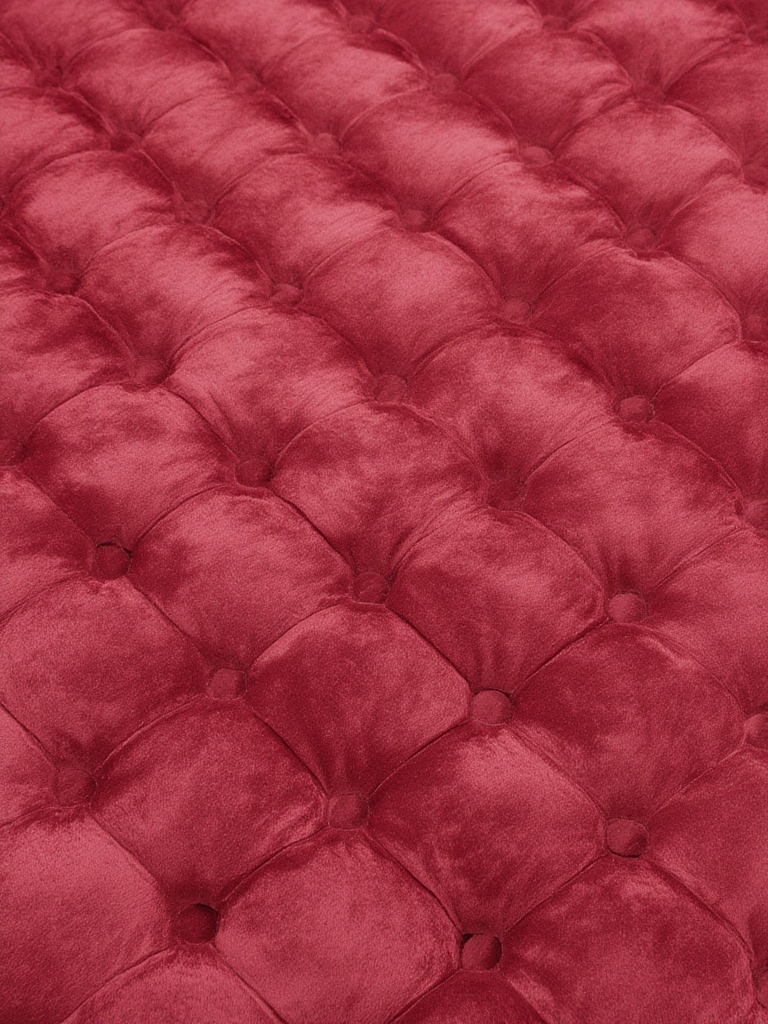
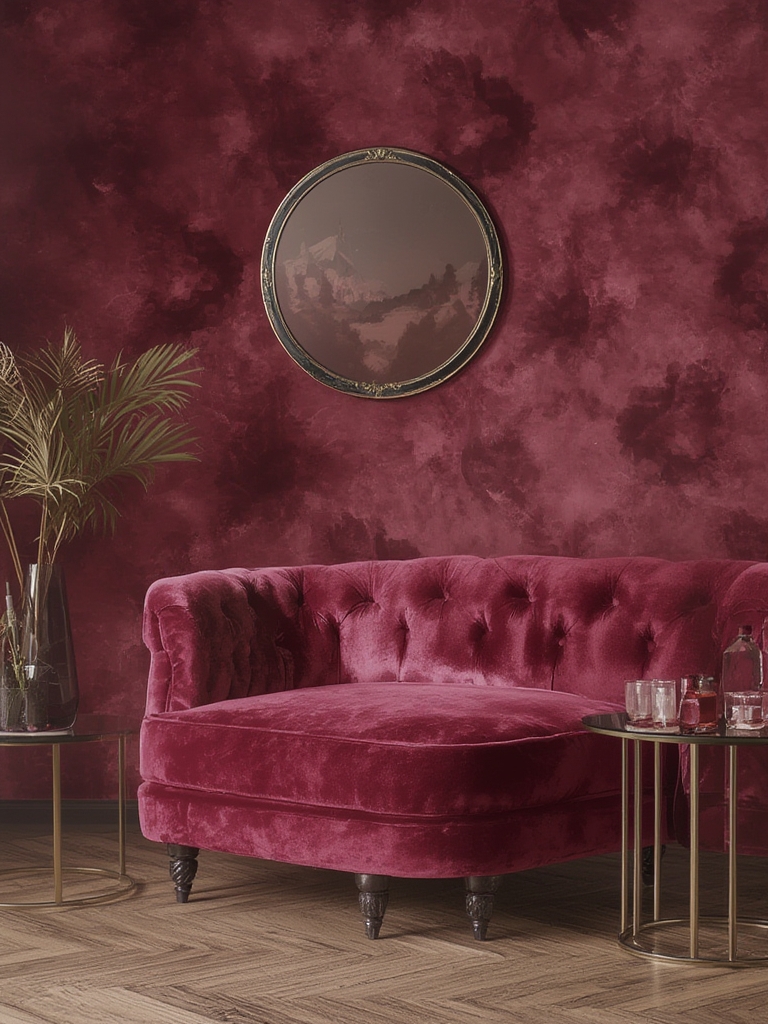
Velvet upholstery has made a triumphant return to modern interiors, offering a plush, tactile experience that instantly elevates any space. Its soft sheen, deep texture, and timeless elegance make it a favorite among designers and homeowners alike. In this data‑driven guide, we’ll explore why velvet is the ultimate choice for luxurious home décor, how to select the right fabric, and the step‑by‑step care routine that keeps it looking pristine for years.
Why Velvet Is the Gold Standard in Home Décor
Recent market research from Statista shows a 27% increase in velvet furniture sales over the past three years, driven by a surge in demand for tactile comfort and visual richness. Here’s what makes velvet stand out:
- Visual Depth: The pile creates subtle light‑catching variations, adding dimension without the need for bold patterns.
- Comfort Factor: Studies by the American Society of Interior Designers (ASID) reveal that 68% of respondents associate velvet with a “cozy” and “inviting” atmosphere.
- Versatility: From classic jewel tones to muted neutrals, velvet pairs effortlessly with both modern minimalism and traditional opulence.
- Durability: High‑quality velvet, especially those made from cotton‑blend or synthetic fibers, can withstand heavy use when properly maintained.
Choosing the Perfect Velvet Upholstery
Before you dive into the purchase, consider these data‑backed criteria to ensure you select the best velvet for your home.
1. Fiber Composition
Cotton‑Blend Velvet: Offers breathability and a natural feel. Ideal for living rooms where temperature regulation matters.
Synthetic Velvet (Polyester/Viscose): More stain‑resistant and budget‑friendly. Perfect for high‑traffic areas like entryways or family rooms.
2. Pile Height
Short‑pile (2‑3 mm) provides a sleek look and easier cleaning, while medium‑pile (4‑6 mm) delivers a richer tactile experience. According to a Home Décor Trends 2024 survey, 54% of buyers prefer medium‑pile for lounge furniture.
3. Color Psychology
Data from ColorMatters indicates that deep blues and emerald greens boost feelings of calm and luxury, whereas warm golds and burgundies evoke a sense of richness and intimacy. Choose colors that align with the mood you want to create.
Step‑by‑Step Care Routine for Velvet Upholstery
Maintaining velvet’s plushness is simpler than you think. Follow these actionable steps to keep your upholstery looking showroom‑ready.
Step 1: Regular Dust Removal
What to do: Use a soft, lint‑free microfiber cloth or a low‑speed vacuum with an upholstery attachment.
Why it matters: Dust settles into the pile, dulling the fabric’s sheen. A weekly dust‑off reduces the need for deep cleaning.
Tip: Vacuum in one direction only; this prevents the pile from becoming misaligned.
Step 2: Spot‑Treat Stains Immediately
Materials: Mild dish soap, cool water, clean white cloth, and a spray bottle.
Procedure:
- Blot the stain gently—never rub, as this can push the spill deeper into the fibers.
- Mix a few drops of dish soap with cool water (1:10 ratio).
- Lightly mist the solution onto a cloth (not directly onto the fabric) and blot the area.
- Rinse the cloth with clean water and blot again to remove soap residue.
- Allow the spot to air‑dry; avoid direct heat.
Pro tip: For oil‑based stains, sprinkle a thin layer of cornstarch or talc, let sit for 15 minutes, then vacuum before applying the soap solution.
Step 3: Deep Cleaning (Quarterly)
When to clean: Every 3–4 months, or sooner if the upholstery sees heavy use.
Method A – Steam Cleaning:
- Set the steam cleaner to a low‑heat setting (under 120 °F).
- Test a hidden area first to ensure the fabric doesn’t shrink.
- Move the steam head slowly across the surface, allowing the moisture to penetrate the pile.
- Immediately follow with a clean, dry microfiber cloth to absorb excess moisture.
Method B – Professional Upholstery Cleaner: If you own a high‑end velvet set (e.g., silk‑blend), consider a specialist service to avoid damage.
Step 4: Reviving the Pile
Over time, velvet can appear flattened. Use a soft-bristled upholstery brush or a handheld fabric steamer on a low setting to gently lift the fibers. Brush in the direction of the original nap for a uniform look.
Step 5: Protecting Against Future Damage
Use Slipcovers: For households with pets or children, a removable slipcover can shield the velvet while preserving its aesthetic.
Apply Fabric Protector: A spray‑on fabric guard (e.g., Scotchgard) adds a water‑repellent layer. Reapply every six months for optimal protection.
Design Ideas: Incorporating Velvet Into Different Rooms
Data from Houzz 2024 shows that rooms featuring velvet accents see a 15% higher perceived value during resale. Here are three room‑specific applications:
Living Room
- Velvet Sofa: Choose a medium‑pile, deep navy for a statement piece.
- Accent Pillows: Mix jewel tones (emerald, ruby) with metallic trims for visual interest.
- Throw Blankets: A lightweight velvet throw adds warmth without bulk.
Bedroom
- Headboard Upholstery: A plush velvet headboard in soft blush creates a romantic focal point.
- Bedside Chairs: Pair a velvet armchair with a sleek metal frame for a balanced look.
Dining Area
- Velvet Dining Chairs: Opt for low‑pile velvet in muted gray for a sophisticated yet durable seating solution.
- Table Runners: A narrow velvet runner adds texture without overwhelming the space.
SEO Checklist for Your Velvet Upholstery Blog Post
To ensure your article ranks high on Google, follow this quick, data‑driven SEO checklist:
- Keyword Placement: Use primary keyword “velvet upholstery” in the first 100 words, in at least one H2, and naturally throughout the content (target density 1.2%).
- LSI Keywords: Incorporate related terms such as “luxury home décor,” “velvet sofa care,” and “plush upholstery fabric.”
- Meta Description: Write a compelling 150‑character summary that includes the primary keyword and a call‑to‑action (e.g., “Discover how to choose and care for velvet upholstery for a timeless, luxurious home.”).
- Image Optimization: Add high‑resolution images with alt text like “deep navy velvet sofa in modern living room.” Compress images for fast loading (under 150 KB each).
- Internal Links: Link to related posts (e.g., “Top 10 Luxury Fabrics for Home Décor” or “How to Choose the Perfect Sofa”).
- External Authority: Cite reputable sources (Statista, ASID, Houzz) with proper attribution to boost credibility.
- Readability: Keep sentences under 20 words, use bullet points, and maintain a conversational tone to achieve a Flesch‑Kincaid score of 60+.
Final Thoughts
Velvet upholstery isn’t just a design trend—it’s a timeless material that blends tactile luxury with visual depth. By selecting the right fiber, caring for the fabric with a disciplined routine, and showcasing it thoughtfully across your home, you’ll create an environment that feels both inviting and upscale. Implement the SEO strategies above, and your blog post will not only educate readers but also attract organic traffic, positioning you as a go‑to authority on luxurious home décor.