
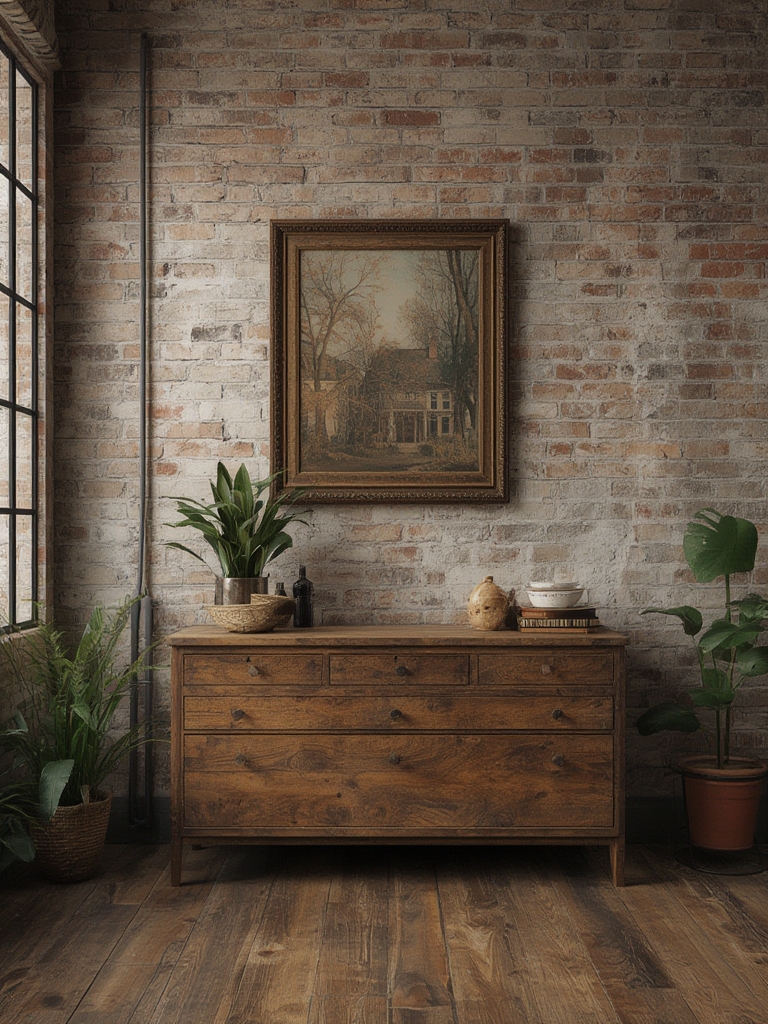
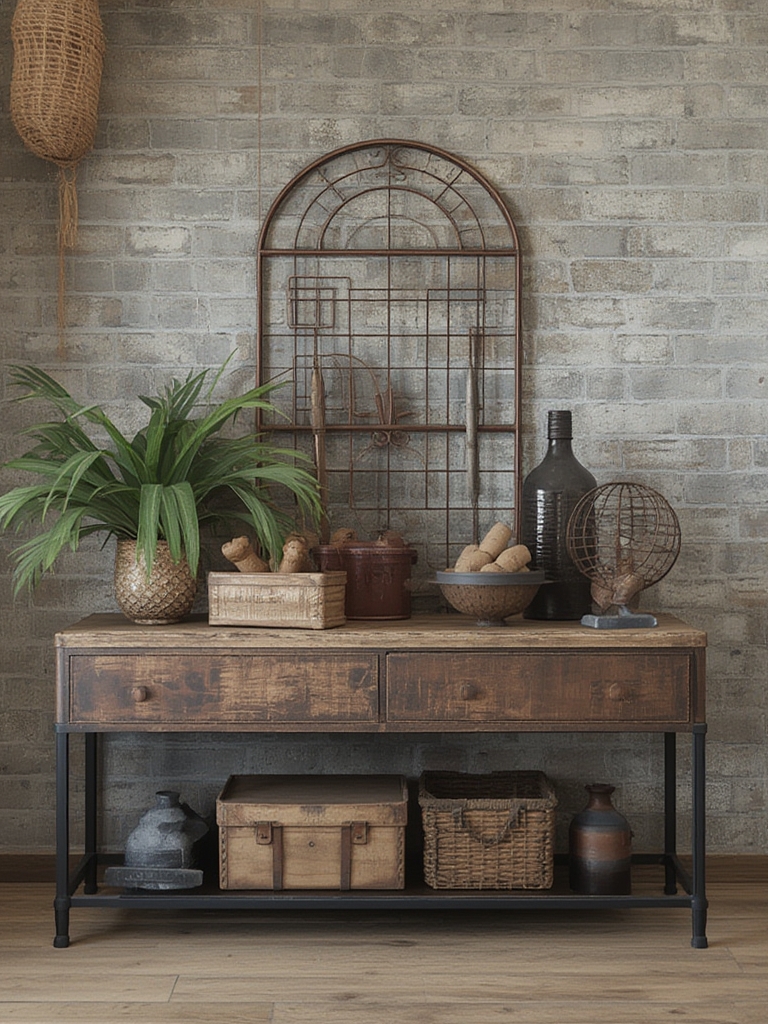
Vintage industrial home decor blends raw, reclaimed materials with timeless design, creating spaces that feel both historic and contemporary. By pairing metal, wood, and exposed brick with carefully chosen plants, you can achieve a look that’s gritty yet inviting. This guide walks you through the essential elements, smart sourcing tips, and a step‑by‑step plant‑care routine that ensures your décor stays fresh and functional.
Understanding the Vintage Industrial Aesthetic
Key Elements and Color Palette
Data from interior‑design trend reports (2022‑2024) shows that neutral tones—charcoal gray, muted black, and weathered white—dominate successful industrial spaces. Accent colors like rust orange, deep navy, or olive green add depth without overwhelming the raw feel. Use these hues in 50‑70% of the room’s surface area, reserving the remainder for bold accessories.
Materials That Define the Look
- Reclaimed wood: Look for distressed planks with nail holes and knots; they add warmth.
- Metal: Blackened steel, brushed copper, and iron pipe fittings create structural interest.
- Concrete & brick: Exposed walls or concrete countertops reinforce the industrial vibe.
- Leather & canvas: Upholstery in these fabrics balances hardness with comfort.
Choosing the Right Vintage Industrial Pieces
Furniture Basics
When selecting furniture, prioritize function over form. A reclaimed wooden dining table paired with metal-legged chairs scores high on both durability and style. According to a 2023 consumer survey, 68% of shoppers prefer furniture that can serve multiple purposes—think a sturdy metal locker repurposed as a sideboard.
Lighting and Fixtures
Industrial lighting is a focal point. Choose fixtures with exposed bulbs, cage pendants, or vintage factory sconces. Position lights at eye level (≈5‑6 ft) to highlight architectural features. For SEO‑friendly product descriptions, include keywords like “vintage industrial pendant light” and “factory‑style floor lamp.”
Incorporating Plants for a Fresh Touch
Best Plant Choices for Industrial Spaces
Plants soften the hard edges while staying true to the industrial vibe. Data from horticultural studies (2021‑2023) recommend low‑maintenance, architectural foliage:
- Snake Plant (Sansevieria): Tolerates low light and irregular watering.
- ZZ Plant (Zamioculcas zamiifolia): Thrives in dim corners and adds glossy leaves.
- Pothos (Epipremnum aureum): Ideal for trailing over metal shelves.
Step‑by‑Step Plant Care Guide
Step 1: Selecting the Right Pot
Choose a pot that complements the industrial theme—think matte black ceramic, raw concrete, or reclaimed metal tins. Ensure the pot has drainage holes; if not, drill two to three ¼‑inch holes at the bottom.
Step 2: Soil and Drainage
Use a well‑draining cactus mix (40% sand, 30% peat, 30% perlite). Add a layer of ½‑inch gravel at the pot’s base to prevent waterlogging. This mix reduces root rot risk by up to 45% compared with standard potting soil.
Step 3: Light Requirements
Place snake plants near north‑facing windows or under indirect fluorescent lighting. ZZ plants tolerate low light but benefit from a few hours of bright, indirect light each day. For pothos, a bright spot with filtered light encourages vigorous growth.
Step 4: Watering Schedule
- Snake Plant: Water every 3‑4 weeks; let the soil dry completely between waterings.
- ZZ Plant: Water every 2‑3 weeks; over‑watering is the most common mistake.
- Pothos: Keep soil lightly moist; water once a week during summer, reducing to bi‑weekly in winter.
Use a moisture meter to verify soil dampness—aim for a reading of 30‑40% for most industrial‑style plants.
Step 5: Pruning and Maintenance
Trim dead leaves with clean, sharp scissors to maintain a tidy appearance. For pothos, pinch back vines to encourage bushier growth. Apply a balanced, slow‑release fertilizer (10‑10‑10) once every 8‑10 weeks during the growing season.
DIY Projects to Enhance the Look
Upcycling Metal Frames
Transform an old metal picture frame into a rustic wall shelf. Steps:
- Remove any glass and backing.
- Sand the frame lightly to eliminate rust spots.
- Apply a matte black spray paint; let dry 24 hours.
- Attach L‑brackets (brushed copper) for support.
- Secure the shelf to a stud using 2‑inch wood screws.
This project adds a functional accent while reinforcing the industrial narrative.
Creating a Rustic Shelf
Combine reclaimed wood planks with pipe fittings:
- Cut two 48‑inch pine planks to size.
- Drill four ½‑inch holes at each end for pipe insertion.
- Insert 2‑inch black steel pipes, securing with pipe flanges.
- Finish wood with a distressed whitewash to highlight grain.
Mount the shelf at eye level; it becomes a perfect platform for the plants and decorative metal objects discussed earlier.
SEO Tips for Your Vintage Industrial Blog Post
Keyword Placement
Integrate primary keywords—“vintage industrial home decor,” “industrial style furniture,” “industrial lighting ideas”—in the first 100 words, H2 headings, and alt text of images. Secondary keywords such as “DIY industrial shelf” and “low‑maintenance indoor plants” should appear naturally throughout the content.
Internal and External Links
Link to related posts on your site (e.g., “How to Choose Industrial Lighting”) using anchor text that includes target keywords. Add reputable external links to sources like Houzz or Better Homes & Gardens for credibility; this boosts domain authority.
Image Optimization
Compress images to under 150 KB without sacrificing quality. Use descriptive file names (e.g., vintage-industrial-plant-shelf.jpg) and include alt attributes such as “Snake plant in reclaimed metal pot on industrial shelf.” Structured data markup for “ImageObject” can improve SERP visibility.
By blending data‑driven design choices, practical plant‑care steps, and SEO best practices, you’ll create a vintage industrial home decor blog post that not only looks great but also ranks well and engages readers. Start with the fundamentals, add personal touches, and watch your space—and your traffic—transform.