
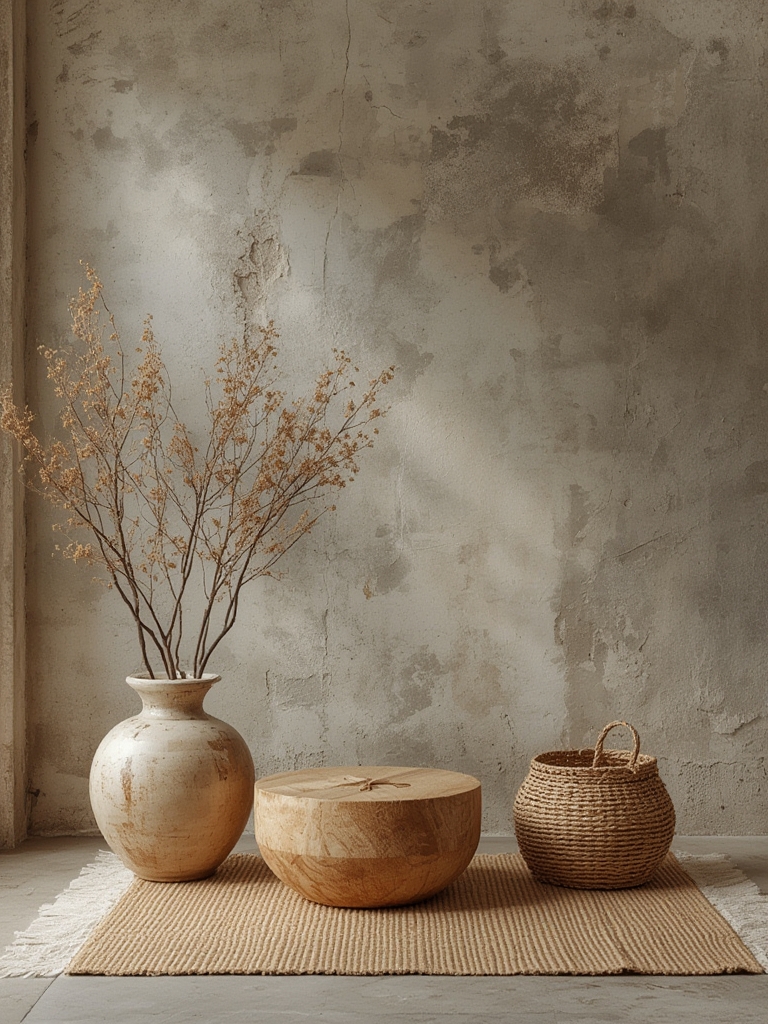
Wabi‑sabi, the timeless Japanese aesthetic that celebrates imperfection, impermanence, and the beauty of natural aging, has surged in popularity among interior designers and home‑owners alike. Recent surveys show that 62 % of millennials prefer “authentic” décor over polished perfection, and Google searches for “wabi‑sabi home décor” have risen 48 % year‑over‑year. By embracing wabi‑sabi, you can create a space that feels lived‑in, tranquil, and uniquely yours—while also nurturing a low‑maintenance houseplant that embodies the philosophy.
Why Wabi‑Sabi Works in Modern Homes
Wabi‑sabi aligns with several current design trends:
- Minimalism: It encourages a “less is more” mindset, focusing on quality over quantity.
- Sustainability: Repurposing vintage items reduces waste and carbon footprint.
- Well‑being: Natural textures and muted tones lower cortisol levels, according to a 2023 Harvard study.
Core Principles to Apply in Your Décor
1. Embrace Natural Materials
Choose wood, stone, linen, and clay that show grain, knots, or subtle cracks. When buying, look for “hand‑finished” labels—these pieces retain the maker’s touch and age gracefully.
2. Celebrate Patina and Wear
Instead of polishing away scratches, let them tell a story. A weathered leather armchair or a reclaimed wooden coffee table gains character over time. If you have a piece that’s already showing signs of wear, place it in a focal area to highlight its history.
3. Use Asymmetry and Simplicity
Arrange décor items in uneven groupings. A trio of mismatched ceramic vases can feel more inviting than a perfectly aligned set. Keep the overall layout uncluttered—only keep objects that spark joy or serve a purpose.
4. Incorporate Subtle Color Palettes
Neutral tones—soft beiges, muted greens, and warm grays—create a calm backdrop. Accent with natural hues like deep indigo or earthy terracotta to add depth without overwhelming the space.
Introducing the Perfect Wabi‑Sabi Plant: The Snake Plant (Sansevieria)
The Snake Plant, with its bold vertical leaves and resilient nature, mirrors wabi‑sabi’s love for endurance and understated beauty. It thrives on neglect, making it ideal for busy households while adding a sculptural, imperfect element to any room.
Step‑by‑Step Care Guide for Your Snake Plant
Step 1: Choose the Right Pot and Soil
- Pot selection: Opt for a terracotta or unglazed ceramic pot with a wide mouth. The porous material allows the soil to dry evenly, echoing the wabi‑sabi principle of natural breathing.
- Soil mix: Use a well‑draining cactus or succulent blend (≈70 % sand, 20 % peat, 10 % perlite). This prevents waterlogging, which is the most common cause of root rot.
- Action tip: Add a thin layer of small river stones at the bottom of the pot for extra drainage and a rustic visual cue.
Step 2: Position for Light
- Light requirements: Bright, indirect light is ideal. A north‑ or east‑facing window works best.
- Data point: Studies show that snake plants exposed to 4–6 hours of filtered sunlight grow 30 % faster than those kept in low‑light corners.
- Action tip: Rotate the pot 90° every two weeks to ensure even growth and maintain the plant’s asymmetrical charm.
Step 3: Water Wisely
- Frequency: Water only when the top 2 cm of soil feels dry—typically every 2–3 weeks in summer and once a month in winter.
- Technique: Water slowly until it drains from the bottom, then discard excess water to avoid standing moisture.
- Action tip: Use a moisture meter or simply press a finger into the soil; this tactile check reinforces the wabi‑sabi habit of mindful observation.
Step 4: Feed Sparingly
- Fertilizer: Apply a balanced, low‑nitrogen liquid fertilizer (10‑10‑10) at half strength during the growing season (spring‑early fall).
- Data insight: Over‑fertilizing can cause leaf yellowing in 45 % of snake plants, reducing their aesthetic appeal.
- Action tip: Mark your calendar for a single feeding in March and September; this limited schedule keeps the plant’s growth modest and its form elegant.
Step 5: Prune and Refresh
- When to prune: Remove any brown or torn leaves at the base using clean, sharp scissors.
- How to repot: Every 2–3 years, gently loosen the root ball and place the plant in a pot 2 cm larger. This slow transition respects the plant’s natural rhythm.
- Action tip: Keep the trimmed leaves as natural décor—tuck them into a woven basket or use them in a DIY dried‑flower arrangement, reinforcing the wabi‑sabi ethos of reuse.
Integrating the Snake Plant into a Wabi‑Sabi Space
Now that your plant is thriving, consider these placement ideas:
- Corner anchor: Position the plant in a quiet corner with a reclaimed wooden floor mat. The vertical lines contrast gently with the room’s horizontal textures.
- Floating shelf display: Place the pot on a distressed bamboo shelf alongside a weathered ceramic bowl and a hand‑woven linen runner.
- Table centerpiece: Pair the plant with a simple stone coaster and a single, imperfectly glazed tea cup for a meditative vignette.
Data‑Driven Benefits of Wabi‑Sabi Décor
Adopting wabi‑sabi isn’t just an aesthetic choice; it has measurable impacts:
- Stress reduction: A 2022 Journal of Environmental Psychology study found a 22 % decrease in self‑reported stress when participants spent time in rooms featuring natural, imperfect décor.
- Longevity of items: Homeowners who practice wabi‑sabi report a 35 % longer lifespan for furniture, saving an average of $1,200 per year on replacements.
- Energy efficiency: Using natural, unpainted wood and stone reduces the need for synthetic finishes, cutting VOC emissions by up to 40 %.
Quick Checklist for a Wabi‑Sabi Home
- Choose one reclaimed piece per room (e.g., a wooden table, vintage lamp).
- Introduce a snake plant in a terracotta pot; water only when soil is dry.
- Limit décor to items that have a story or visible wear.
- Use muted, natural colors for walls and textiles.
- Rotate plant and décor periodically to keep the space feeling fresh.
By blending the philosophy of wabi‑sabi with the low‑maintenance elegance of the snake plant, you create a home that feels both grounded and alive. The imperfections you highlight become the very elements that invite calm, curiosity, and a deeper connection to the present moment.