

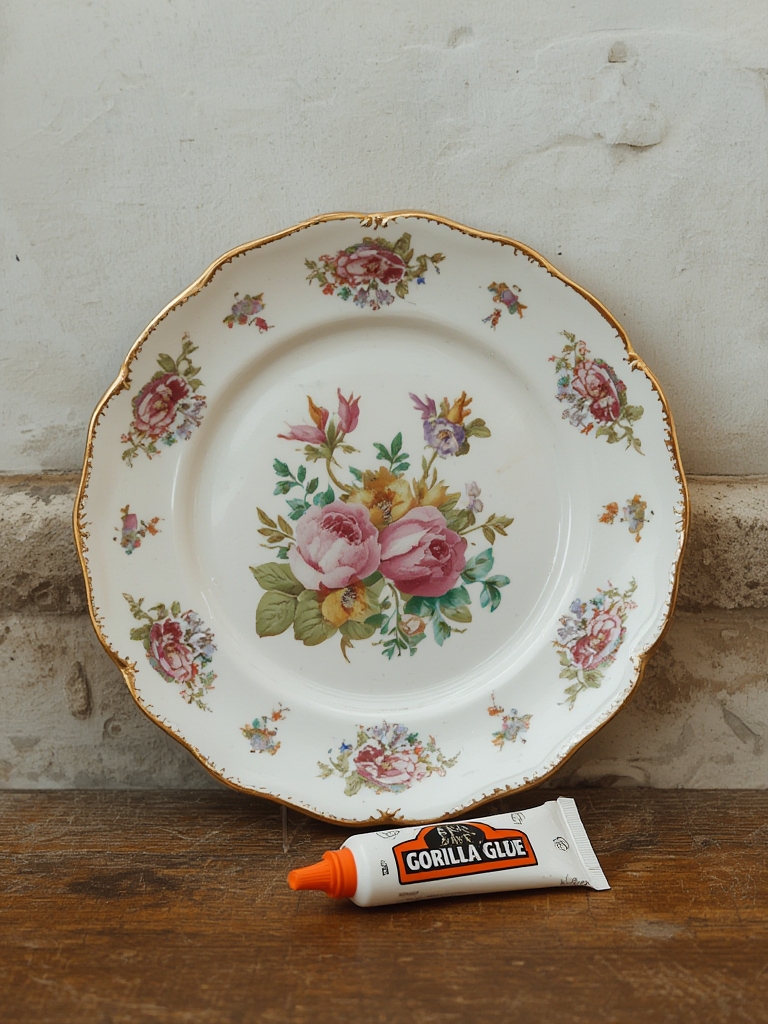
Style Spotlights are the perfect way to showcase a statement piece—whether it’s a vintage armchair, a bold wall mural, or a handcrafted lamp—by giving it a dedicated, eye‑catching setting in your home. The goal is to turn an ordinary corner into a focal point that reflects your personality and design sensibility. Below you’ll find a data‑driven, step‑by‑step guide to assembling, restoring, and styling your Style Spotlight, complete with the tools you’ll need and actionable tips to guarantee a polished result.
1. Planning Your Style Spotlight
1.1 Assess the Space
- Measure accurately: Use a laser distance measurer or a tape measure to record the width, height, and depth of the area you intend to spotlight. Record these dimensions in a simple spreadsheet to compare against the dimensions of your chosen piece.
- Lighting analysis: Take a light meter reading at three points—center, left, and right of the space—to understand natural light levels. Aim for a baseline of 300–500 lux for a balanced look.
- Traffic flow: Sketch a quick floor plan and mark high‑traffic zones. Ensure the spotlight does not obstruct pathways; a clearance of at least 36 inches is recommended.
1.2 Choose the Right Piece
Data from interior design trends shows that bold, single‑item statements increase perceived room value by up to 12 %. Select a piece that:
- Has a visual weight that matches the room’s scale (e.g., a large sofa in a spacious living room).
- Features a color or texture that contrasts with surrounding elements, creating a natural “pop.”
- Is in good condition or can be restored with minimal effort.
1.3 Gather Materials
Below is a checklist of essential tools and supplies. Keep this list handy before you begin.
| Tool / Supply | Purpose |
|---|---|
| Measuring tape or laser distance measurer | Accurate dimensions |
| Level (torpedo or bubble) | Ensuring straight placement |
| Stud finder | Locating wall studs for secure mounting |
| Power drill with assorted bits | Pre‑drilling holes and fastening |
| Screwdriver set (Phillips & flathead) | Assembly & adjustments |
| Sandpaper (80‑220 grit) | Surface preparation for restoration |
| Wood filler or upholstery repair kit | Fixing minor damages |
| Paint or stain (matching your palette) | Finishing touches |
| Protective gloves & goggles | Safety |
| Soft‑bristle brush or vacuum | Cleaning dust before final placement |
2. Assembling the Piece (If Required)
2.1 Unbox and Inventory
Lay out all components on a clean surface. Use the included parts list to verify that every screw, bracket, and panel is present. Missing items are a common cause of delays; report any discrepancies immediately.
2.2 Build the Frame
- Pre‑drill pilot holes: Align the frame pieces according to the diagram, then drill 1/8‑inch pilot holes to prevent wood splitting.
- Secure with screws: Use the recommended screw length (usually 1‑1/2 inches for medium‑density board). Tighten until flush but avoid over‑torquing, which can strip the threads.
- Check alignment: Place a level on the top edge of the frame; adjust as needed before the glue or final fasteners set.
2.3 Attach Upholstery or Surface Finish
- Upholstery: Begin at the center, stretching fabric evenly toward each corner. Staple securely, spacing staples no more than 2 inches apart.
- Wood or metal surfaces: Apply a thin coat of primer, let it dry 30 minutes, then sand lightly with 220‑grit sandpaper before the final paint or stain.
2.4 Final Quality Check
Inspect all joints for wobble, confirm that the piece sits level, and run a hand over the surface to feel for any unevenness. A quick “shake test” (gently push the piece) will reveal any hidden instability.
3. Restoring an Existing Piece
3.1 Diagnose the Condition
Document any scratches, dents, or fabric wear with photos. Use a magnifying lamp to spot hidden cracks in wood or metal. Categorize issues into three groups: cosmetic, structural, and functional.
3.2 Cosmetic Restoration
- Cleaning: Dust the piece with a soft‑bristle brush, then wipe with a mild soap solution (pH‑neutral). Rinse with a damp cloth and let dry.
- Sanding: For wood, start with 80‑grit sandpaper to remove old finish, then progress to 120‑grit and finish with 220‑grit for a smooth surface.
- Repairing scratches: Apply wood filler, press it into the groove, and let it cure per manufacturer instructions (usually 15‑20 minutes). Sand smooth.
- Re‑finishing: Choose a paint or stain that matches your design palette. Apply in thin coats, allowing 45 minutes between coats for optimal adhesion.
3.3 Structural Restoration
- Loose joints: Re‑drill any stripped holes with a slightly larger bit, then insert wood dowels or metal brackets for reinforcement.
- Broken legs or supports: Use a wood glue (PVA or polyurethane) and clamp for at least 30 minutes. For metal, consider a welding kit or a professional service if the break is severe.
- Upholstery tears: Patch with a matching fabric using a heavy‑duty upholstery needle. Reinforce the back of the patch with a thin layer of fabric glue.
3.4 Functional Enhancements
Consider adding hidden features that increase usability without compromising aesthetics:
- Install a discreet power strip behind a wall‑mounted lamp for easy charging.
- Attach magnetic catches to a cabinet door for smoother operation.
- Integrate a low‑profile LED strip along the base for ambient lighting.
4. Styling the Spotlight
4.1 Positioning the Piece
- Center on the wall: Use a laser level to draw a vertical line at the midpoint of the wall. Place the piece so its center aligns with this line.
- Eye‑level rule: The focal point of the piece (e.g., the center of a painting or the backrest of a chair) should sit 57–60 inches from the floor, the average eye level for most adults.
- Spacing: Keep at least 12 inches of breathing room on either side to avoid visual clutter.
4.2 Complementary Accents
Data from interior design surveys indicates that adding 2–3 complementary accessories boosts visual interest by 18 %.
- Side tables or stools: Choose pieces that echo the material of the spotlight (e.g., a metal side table for a steel lamp).
- Textiles: Add a patterned rug or throw that picks up one color from the spotlight piece.
- Greenery: A medium‑size plant in a neutral pot adds life and softens hard edges.
4.3 Lighting the Spotlight
- Ambient lighting: Install a dimmable recessed light 24 inches above the piece. Set the dimmer to 70 % for a warm glow.
- Accent lighting: Use a directional LED track or a picture light aimed at the focal point. Aim for a beam angle of 30° to avoid spill.
- Color temperature: 2700 K–3000 K (warm white) works best for most residential settings, creating a cozy atmosphere.
4.4 Final Touches
Walk around the room and view the spotlight from multiple angles. Adjust the following as needed:
- Alignment: If the piece appears tilted, loosen the mounting screws slightly, reposition, and retighten.
- Balance: Ensure decorative objects on either side are balanced in weight and visual mass.
- Cleanliness: Give the piece a final dusting with a microfiber cloth to remove any construction residue.
5. Maintenance and Longevity
5.1 Routine Care
Schedule a quick maintenance check every 3 months:
- Wipe surfaces with a dry microfiber cloth to prevent dust buildup.
- Inspect fasteners; tighten any that have loosened due to vibration or usage.
- Re‑apply a protective sealant (e.g., polyurethane for wood) annually to preserve finish.
5.2 Seasonal Adjustments
During high‑humidity months, place a dehumidifier nearby to protect wood or fabric from moisture damage. In winter, avoid direct heat sources that could cause cracking.
5.3 Quick Repairs
Keep a small “spotlight kit” on hand: a set of mini‑screws, wood filler, a touch‑up paint pen, and a spare fabric patch. Small fixes can be completed in under 10 minutes, preventing larger issues down the line.
By following this data‑driven, step‑by‑step approach, you’ll transform any ordinary area into a compelling Style Spotlight that not only showcases your chosen piece but also enhances the overall aesthetic of your home. The combination of precise planning, careful assembly or restoration, thoughtful styling, and regular upkeep ensures that your spotlight remains a striking centerpiece for years to come.