
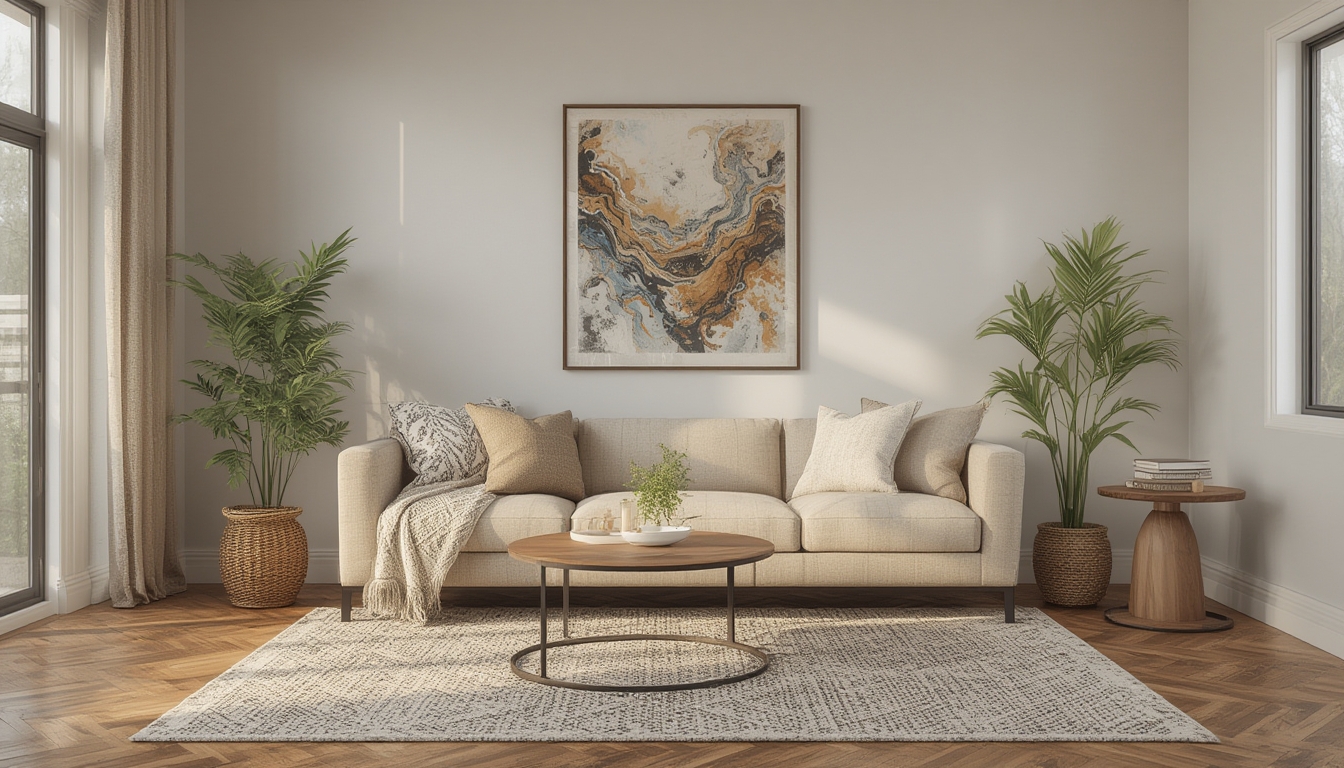
When we think about interior design, we often focus on aesthetics—color palettes, furniture trends, and decorative accents. However, the psychology behind décor plays a pivotal role in shaping our mental and physical well‑being. By understanding how colors, textures, lighting, and spatial layout influence mood, you can intentionally craft a space that promotes calm, focus, and vitality. Below is a data‑driven, step‑by‑step guide to styling any room for optimal wellness, complete with practical tools, actionable tips, and easy‑to‑follow instructions.
1. Conduct a Wellness Audit of Your Space
Gather Baseline Data
Start by measuring the room’s dimensions, noting natural light sources, and documenting existing décor. Use a simple spreadsheet or a free app like RoomScan Pro to log:
- Square footage (length × width)
- Window count and orientation (north, south, east, west)
- Current color palette (wall, floor, upholstery)
- Primary activities performed in the room (work, relaxation, sleep)
Tools Needed
- Measuring tape (or laser measurer)
- Smartphone or tablet with a note‑taking app
- Color‑capture tool (e.g., ColorSnap app)
Actionable Tip
Take a photo of each wall and corner. Later, compare these images with mood‑board concepts to see which elements already support wellness and which need adjustment.
2. Choose a Science‑Backed Color Scheme
What the Research Says
Studies from the University of Texas and the University of Sussex show:
- Blue hues reduce heart rate and improve concentration.
- Green promotes recovery and reduces stress.
- Soft neutrals (beige, warm gray) create a sense of safety.
- Overly saturated reds can increase anxiety when used in large areas.
Step‑by‑Step Color Selection
- Identify the room’s purpose. For a home office, prioritize blues and greens. For a bedroom, lean toward muted blues or lavender.
- Pick a dominant shade. Use a 60‑30‑10 rule: 60% dominant wall color, 30% secondary (accent wall or large furniture), 10% accent (pillows, art).
- Test with sample swatches. Apply 4‑inch squares on opposite walls; observe how they shift with daylight.
Tools Needed
- Paint swatch cards
- Painter’s tape
- Small paint roller or brush for sample application
Actionable Tip
After a full day, revisit the swatches. If the color feels “too bright” in the evening, consider a lighter tint for the dominant wall.
3. Optimize Lighting for Mood and Circadian Rhythm
Data‑Driven Lighting Principles
Research from the Lighting Research Center indicates that exposure to full‑spectrum daylight improves alertness, while warm, low‑intensity lighting supports relaxation. Aim for a layered lighting plan:
- Ambient light – 300–500 lux for general tasks.
- Task lighting – 500–1000 lux at workstations.
- Accent lighting – <150 lux for artwork or mood lighting.
Implementation Steps
- Maximize natural light. Keep windows unobstructed; use sheer curtains to diffuse glare.
- Install adjustable LED fixtures. Choose bulbs with a 2700 K–6500 K range and a dimmer switch.
- Add task lights. Desk lamps with a color‑temperature slider are ideal for work zones.
- Introduce warm accent lights. Table lamps or floor lamps with amber tones create a cozy evening atmosphere.
Tools Needed
- LED bulbs (adjustable color temperature)
- Dimmers and smart plugs
- Measuring light meter (optional, many smartphones have apps)
Actionable Tip
Set a timer on smart plugs to gradually dim lights 30 minutes before bedtime, signaling the brain to produce melatonin.
4. Curate Textures and Materials for Tactile Comfort
Why Texture Matters
According to a 2022 study in Environmental Psychology, tactile variety reduces perceived stress by up to 18%. Soft fabrics, natural wood, and indoor plants provide multisensory stimulation that anchors the mind.
Step‑by‑Step Texture Integration
- Introduce a grounding rug. Choose natural fibers (jute, wool) that are at least 60 % of the floor area.
- Layer soft furnishings. Add a plush throw, linen cushions, or a velvet armchair.
- Incorporate organic materials. Use reclaimed wood shelves or bamboo blinds.
- Bring in greenery. Place a medium‑size potted plant (e.g., snake plant) at eye level.
Tools Needed
- Measuring tape for rug sizing
- Fabric swatches for cushion and throw selection
- Plant care guide or app (e.g., PlantSnap)
Actionable Tip
Touch each new texture for 10 seconds before purchasing; the brief sensory test predicts long‑term satisfaction.
5. Arrange Furniture to Support Flow and Safety
Evidence‑Based Layout Strategies
Feng shui research and modern ergonomics both emphasize clear pathways. A 2021 ergonomics report found that a minimum 36‑inch clearance around seating reduces collision risk and improves movement confidence.
Layout Process
- Map the traffic pattern. Sketch a floor plan and draw arrows for primary movement routes.
- Place anchor pieces. Position the largest furniture (sofa, bed) against a solid wall to create a visual anchor.
- Maintain clearance. Ensure 36‑inch space in front of doors and between furniture clusters.
- Use “conversation zones.” Arrange seating in a semi‑circle with a focal point (artwork, fireplace) to encourage relaxed dialogue.
Tools Needed
- Graph paper or a digital floor‑plan tool (e.g., Planner 5D)
- Furniture sliders for easy repositioning
- Measuring tape for clearance verification
Actionable Tip
Walk the room after arranging furniture. If you feel cramped in any spot, shift a piece by 2–4 inches; small adjustments dramatically improve flow.
6. Personalize with Meaningful Accents
Psychology of Personal Items
Personal artifacts trigger positive memories and a sense of identity. A 2019 Harvard study linked exposure to familiar objects with a 12 % increase in dopamine levels.
Steps to Add Personal Touches
- Select a focal artwork. Choose a piece that evokes calm or inspiration.
- Display cherished objects. Use open shelves for travel souvenirs, family photos, or handmade crafts.
- Incorporate scent. Diffuse lavender or eucalyptus to enhance relaxation.
- Rotate accents seasonally. Changing a few items keeps the environment fresh without major overhauls.
Tools Needed
- Picture hanging kit (hooks, level, hammer)
- Shelf brackets and anchors
- Essential‑oil diffuser
Actionable Tip
Limit personal items to a “10‑item rule” per surface to avoid visual clutter while still showcasing meaningful pieces.
7. Establish a Maintenance Routine for Ongoing Wellness
Why Routine Matters
Consistent upkeep prevents the accumulation of stress‑inducing mess. Data from the American Cleaning Institute shows that a weekly cleaning schedule reduces perceived clutter by 30 % and improves overall mood.
Simple Maintenance Checklist
- Daily (5 min): Tidy surfaces, straighten cushions, wipe down high‑touch areas.
- Weekly (30 min): Vacuum rugs, dust shelves, water indoor plants.
- Monthly (1 hr): Rotate decorative items, deep‑clean upholstery, assess lighting functionality.
Tools Needed
- Microfiber cloths
- Handheld vacuum with HEPA filter
- Plant‑watering can with a long spout
Actionable Tip
Set a recurring calendar reminder titled “Wellness Space Refresh” to keep the routine top‑of‑mind.
Conclusion: From Insight to Everyday Calm
By applying data‑driven principles of décor psychology, you transform a simple room into a sanctuary that nurtures both mind and body. The steps outlined—auditing, color selection, lighting optimization, texture layering, thoughtful arrangement, personal accenting, and consistent maintenance—provide a clear roadmap that anyone can follow, regardless of design experience. Implement these actions one at a time, track the subtle shifts in your mood, and enjoy a living environment that truly supports wellness.