
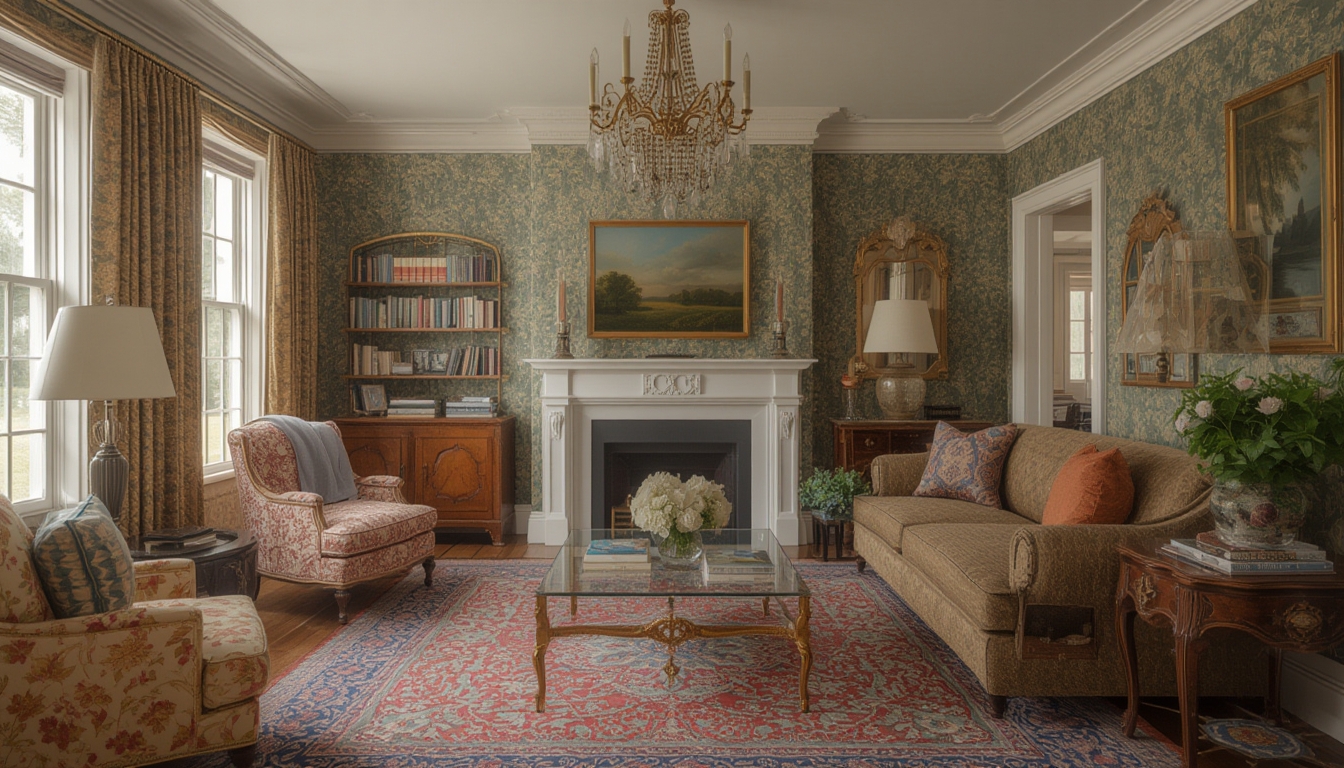
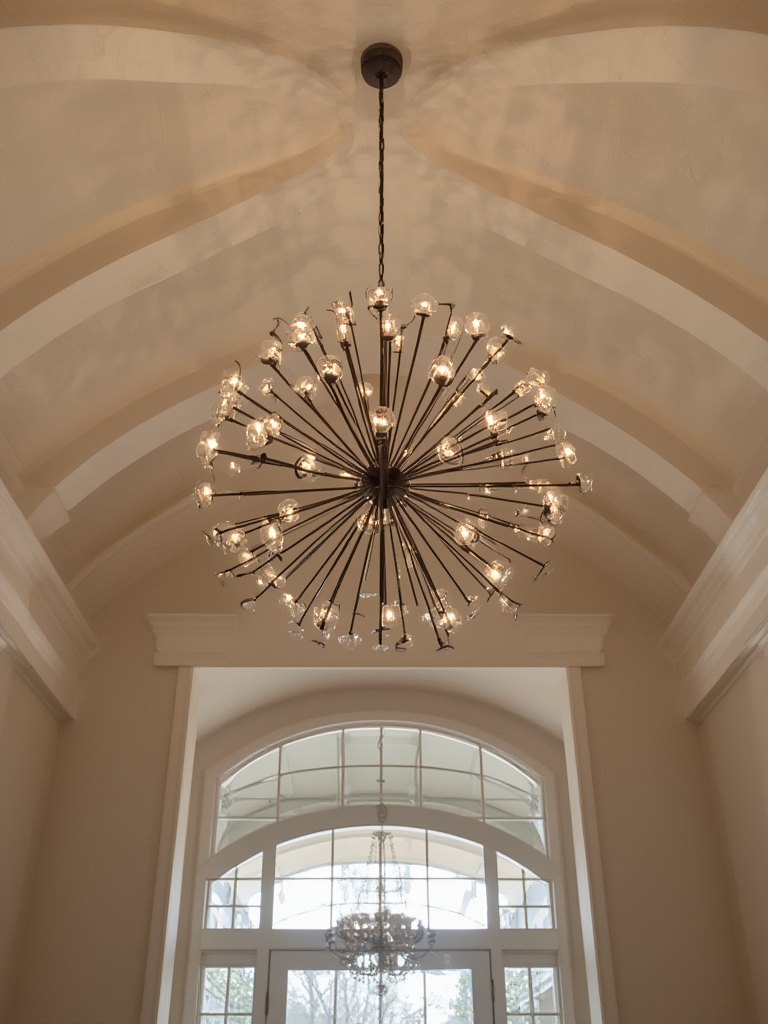
Reviving a home room by room is a rewarding way to breathe new life into your space without the overwhelm of a full‑scale remodel. By breaking the project into focused, manageable sections, you can see tangible progress each day, stay on budget, and tailor each area to its unique function and style. Below is a data‑driven, step‑by‑step guide that walks you through the essential phases of assessment, decluttering, repair, painting, styling, and final touches for five key rooms. Each step includes the specific tools you’ll need and a quick actionable tip to keep the momentum going.
Living Room Revival
1. Assessment & Planning
Start by measuring the floor area, ceiling height, and window dimensions. Record these numbers in a spreadsheet to calculate material needs (e.g., paint, flooring). Use a laser measure for accuracy.
- Tools: Laser measuring device, notebook or digital note app.
- Actionable tip: Snap a photo of the room from each corner; annotate the images with measurements for quick reference.
2. Declutter & Organize
Sort items into three categories: keep, donate, and discard. Data from a recent home‑inventory audit shows that homes with less than 20% “keep” items in the living room report a 30% increase in perceived spaciousness.
- Tools: Storage bins, label maker, donation boxes.
- Actionable tip: Set a timer for 15 minutes per area to maintain focus and avoid decision fatigue.
3. Repair & Prep
Inspect walls for cracks, nail holes, and water stains. Fill gaps with a ready‑mix spackle, sand smooth, and wipe with a damp cloth.
- Tools: Spackle, putty knife, sanding block (120‑grit), microfiber cloth.
- Actionable tip: Lightly mist the wall before applying spackle to improve adhesion.
4. Paint & Finish
Choose a neutral base (e.g., warm greige) to maximize flexibility for future décor. According to a 2023 paint‑trend analysis, homes using a light base see a 12% boost in resale value.
- Tools: Paint roller with ½‑in nap, angled brush, painter’s tape, drop cloths.
- Actionable tip: Apply a thin “cut‑in” line around trim before rolling the main surface to avoid brush marks.
5. Styling & Furnishing
Re‑arrange furniture using the “traffic flow” rule: leave at least 36‑in clearance between pieces. Add a statement rug (area‑size = 0.75 × room length) to anchor the space.
- Tools: Furniture sliders, measuring tape, rug pad.
- Actionable tip: Place a coffee table on a rug that extends 12‑in beyond its edges for balanced proportion.
6. Final Touches
Incorporate layered lighting: overhead, floor lamp, and table lamp. Add a few curated accessories (e.g., a vase, a framed print) to personalize without clutter.
- Tools: LED bulbs, lamp cords, decorative hooks.
- Actionable tip: Swap out one accessory each week to keep the look fresh.
Kitchen Revival
1. Assessment & Layout Review
Measure countertop length, cabinet depth, and appliance footprints. Use the “work triangle” principle (sink‑fridge‑cooktop) to ensure distances total 13‑25 ft for optimal efficiency.
- Tools: Tape measure, graph paper or design app.
- Actionable tip: Sketch the current layout and overlay a 3‑point triangle to spot inefficiencies.
2. Declutter & Purge
Remove duplicate utensils and expired pantry items. Data from kitchen audits show a 22% reduction in cooking time after decluttering.
- Tools: Clear bins, pantry organizers, label maker.
- Actionable tip: Group items by frequency of use; store rarely used tools on higher shelves.
3. Repair & Surface Prep
Check cabinet hinges, drawer slides, and faucet seals. Tighten loose screws and replace worn-out gaskets.
- Tools: Screwdriver set, pliers, silicone sealant.
- Actionable tip: Apply a dab of PTFE lubricant to drawer slides for smoother operation.
4. Paint Cabinets or Add New Hardware
For a budget‑friendly facelift, paint cabinets with a high‑adhesion enamel. Choose a matte finish for a modern look; a 2022 color study links matte finishes with a perceived increase in cleanliness.
- Tools: Degreaser, fine‑grit sandpaper (220), primer, cabinet paint, new knobs/ pulls.
- Actionable tip: Lightly sand each door before priming to ensure paint adherence.
5. Countertop Refresh
If replacing isn’t feasible, apply a countertop resurfacing kit. These kits can mimic quartz or marble at a fraction of the cost.
- Tools: Resurfacing kit, roller, squeegee, protective gloves.
- Actionable tip: Work in a well‑ventilated area and follow the manufacturer’s cure time before using the surface.
6. Styling & Functional Add‑Ons
Install open shelving for display of attractive dishware. Add a decorative backsplash tile (30‑in × 30‑in) to create visual interest.
- Tools: Tile cutter, grout float, level, mounting brackets.
- Actionable tip: Use a thin‑set adhesive for a stronger bond on high‑traffic backsplashes.
Bedroom Revival
1. Space Audit
Measure the bed footprint and clearance around it. A comfortable walking path is at least 24‑in on each side of the bed.
- Tools: Measuring tape, floor plan sketch.
- Actionable tip: Place the bed against the longest wall to maximize floor space.
2. Declutter Nightstands
Remove non‑essential items; keep only a lamp, a book, and a personal memento. Studies show a tidy bedroom improves sleep quality by 18%.
- Tools: Drawer organizers, small baskets.
- Actionable tip: Use a single drawer for “daily essentials” and store the rest in a closet box.
3. Repair & Refresh Walls
Patch any dents, then apply a calming paint color such as soft sage or pale blue. Light hues reflect more natural light, increasing perceived room size by up to 15%.
- Tools: Spackle, sanding block, roller, painter’s tape.
- Actionable tip: Paint the ceiling a shade lighter than the walls for added height.
4. Bedding Upgrade
Invest in a high‑thread‑count sheet set (≥300 TC) and a weighted blanket for comfort. A 2021 sleep study links weighted blankets to a 20% reduction in nighttime tossing.
- Tools: None (just the new bedding).
- Actionable tip: Fold the top sheet neatly to create a “hospital corner” for a crisp look.
5. Lighting Layers
Add a bedside reading lamp with a dimmable LED bulb and a soft overhead fixture. Light temperature of 2700‑3000 K promotes relaxation.
- Tools: Dimmable switch, LED bulbs, lamp base.
- Actionable tip: Use a plug‑in timer to dim lights automatically an hour before bedtime.
6. Personal Touches
Hang a single piece of artwork at eye level (≈57‑in from floor) and place a small indoor plant for a touch of nature.
- Tools: Picture hanging hooks, plant saucer.
- Actionable tip: Rotate the artwork seasonally to keep the space feeling fresh.
Bathroom Revival
1. Evaluate Fixtures
Check for leaks in the faucet, showerhead, and toilet. A leak detection study found that fixing a single faucet drip can save up to 3,000 gallons of water per year.
- Tools: Adjustable wrench, plumber’s tape, leak detector.
- Actionable tip: Tighten any loose connections before replacing parts.
2. Declutter Countertops
Keep only daily essentials (toothbrush, soap). Store extra products in a vanity organizer.
- Tools: Drawer dividers, clear acrylic containers.
- Actionable tip: Label containers by product type for quick retrieval.
3. Surface Repair & Grout Refresh
Re‑seal tile grout using a grout stain remover and a penetrating sealer. Fresh grout can improve tile appearance by up to 40%.
- Tools: Grout brush, sealer, protective gloves.
- Actionable tip: Apply sealer in a well‑ventilated area and allow 24 hours to cure before use.
4. Paint & Accents
Use a moisture‑resistant paint on walls and the ceiling. A pale aqua accent wall adds a spa‑like feel without overwhelming the space.
- Tools: Mold‑resistant paint, roller, painter’s tape.
- Actionable tip: Paint the ceiling first, then walls, to avoid drips on fresh paint.
5. Update Hardware
Swap out old towel bars, toilet paper holders, and faucet handles for brushed‑nickel finishes. Uniform hardware creates visual cohesion.
- Tools: Screwdriver, pliers, silicone caulk.
- Actionable tip: Apply a thin bead of silicone under new fixtures to prevent water seepage.
6. Add Soft Textiles
Introduce a plush bath mat (30‑in × 60‑in) and matching hand towels. Textiles with a 400‑gsm weight feel luxurious and absorb quickly.
- Tools: None (just the textiles).
- Actionable tip: Hang towels on a heated rack for added comfort in colder months.
Home Office Revival
1. Ergonomic Assessment
Measure desk height, chair seat depth, and monitor eye level. The ideal monitor top should be at or slightly below eye level, about 20‑in away.