
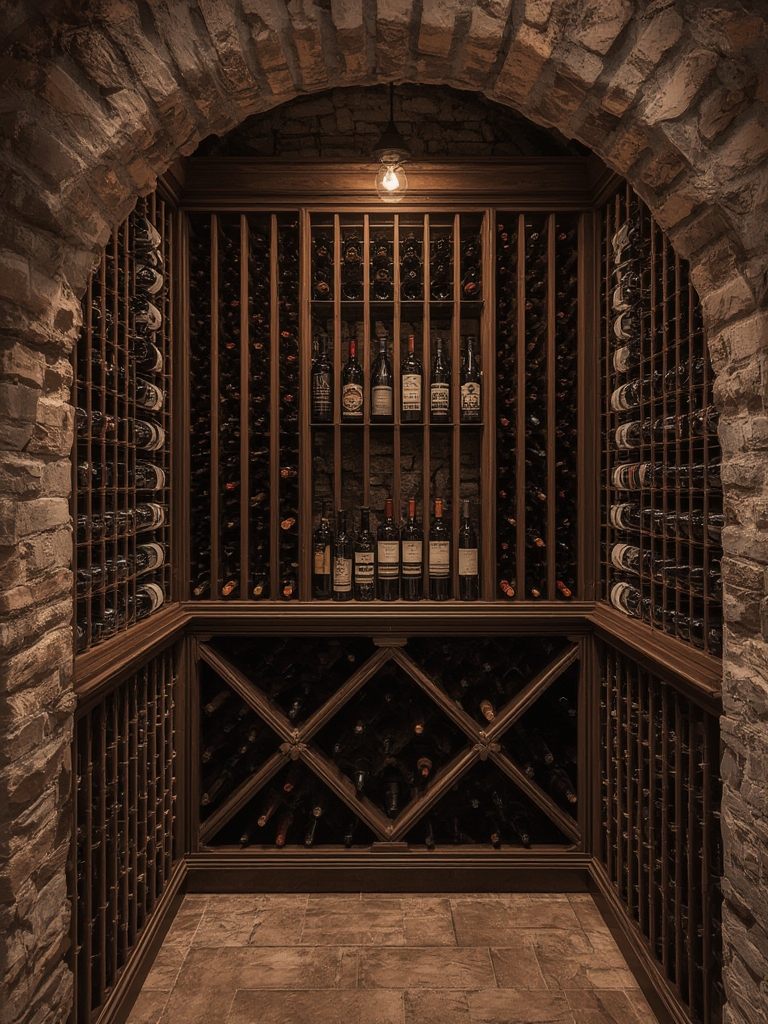
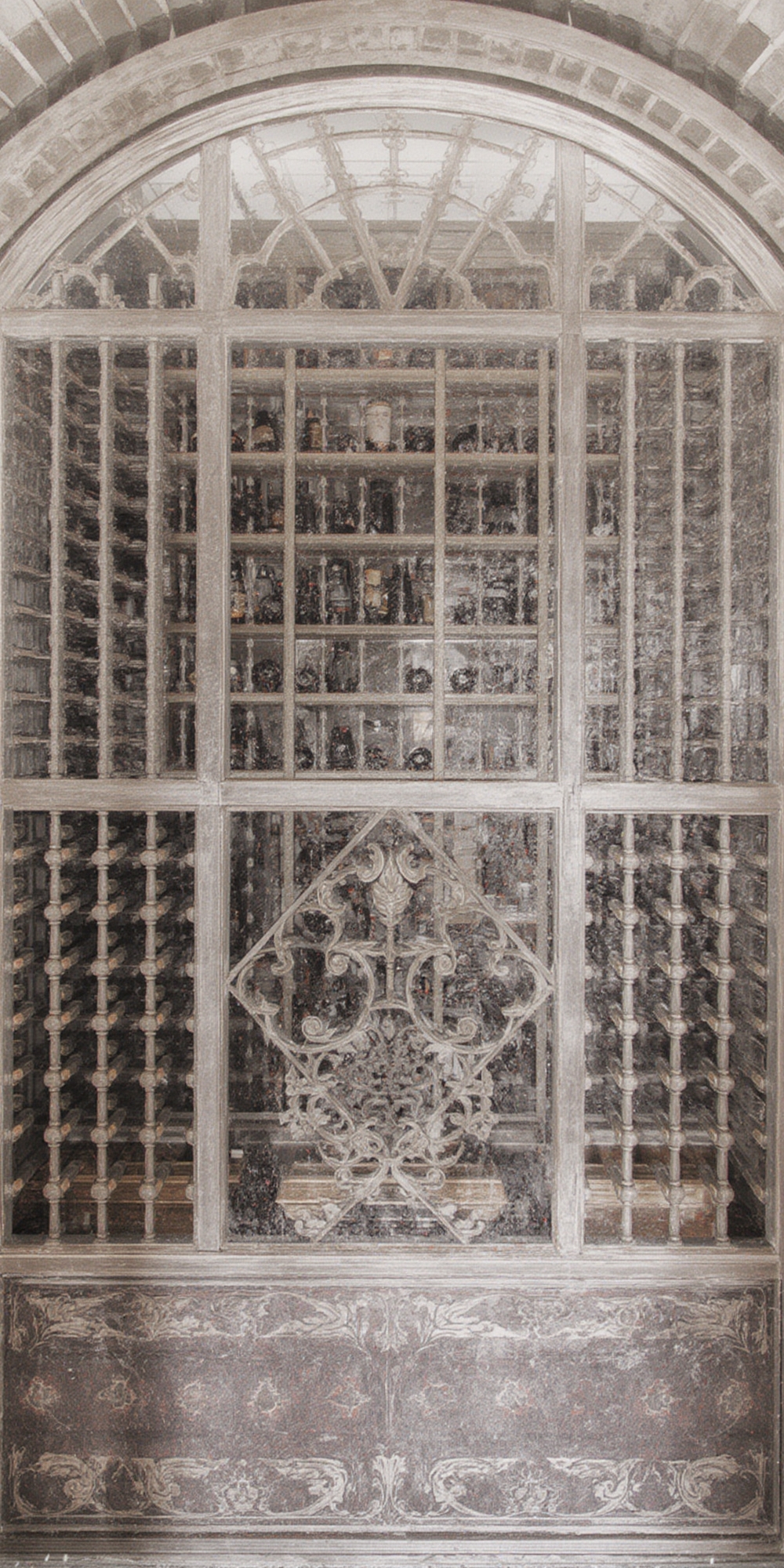
Reviving a wine cellar isn’t just about preserving bottles—it’s about creating a showcase that blends functionality with visual appeal. A well‑designed cellar protects your collection, enhances aging conditions, and turns the space into a conversation‑starter for guests. Below you’ll find a data‑driven, step‑by‑step guide that walks you through the essential elements of storage and display, packed with practical tips you can implement today.
1. Assess Your Space and Define Goals
Measure, Map, and Prioritize
- Measure accurately: Record length, width, height, and any irregularities. Use a laser measure for precision.
- Sketch a floor plan: Plot walls, doors, windows, and existing utilities. Free tools like SketchUp or RoomSketcher help you visualize layout changes.
- Set clear objectives: Decide whether the cellar will be a private aging vault, a public tasting room, or a hybrid. Your goal determines temperature zones, lighting levels, and display styles.
Data point: According to the Wine Institute, 68% of premium wine collectors prioritize temperature stability over aesthetic design. Use this insight to allocate budget first to climate control, then to décor.
2. Master Temperature Control
Choose the Right Cooling System
- Thermo‑electric vs. compressor: For spaces under 300 sq ft, a thermoelectric unit offers quiet operation and low vibration. Larger rooms benefit from a split‑system compressor, which maintains consistent temps across multiple zones.
- Set the sweet spot: Aim for 55 °F (13 °C) ± 2 °F. Use a calibrated digital thermometer with a remote sensor to monitor fluctuations.
- Seal gaps: Install weather‑stripping on doors and insulating panels on walls to prevent heat exchange. A 2‑inch gap can raise internal temperature by up to 5 °F.
Tip: Run the cooling unit for a 24‑hour trial before loading bottles. Record temperature data at 30‑minute intervals; adjust airflow or insulation until variance stays within ±2 °F.
3. Optimize Humidity for Longevity
Maintain the Ideal Moisture Level
- Target range: 60–70% relative humidity (RH). Below 55% risks cork shrinkage; above 75% encourages mold.
- Use a hygrometer: Place a calibrated hygrometer at eye level, away from direct airflow, for accurate readings.
- Humidification methods:
- Passive: Place a shallow tray of distilled water near the cooling unit.
- Active: Install a humidifier with a built‑in humidistat for precise control.
- Ventilation balance: Ensure a slight negative pressure (about 0.05 in H₂O) to prevent external humid air from seeping in.
Quick win: Add a few hygroscopic stones (e.g., zeolite) to the water tray—they release moisture slowly, smoothing out RH spikes.
4. Light Management and Display Aesthetics
Protect Bottles While Showcasing Them
- UV‑free lighting: Choose LED strips with a color temperature of 3000 K–3500 K. LEDs emit virtually no UV radiation, preserving wine integrity.
- Accent lighting: Install dimmable spotlights above premium bottles to draw attention without overheating the surrounding area.
- Glass shelving: Use tempered, low‑iron glass for a clean look. Load bottles horizontally to keep corks moist and allow easy label viewing.
- Reflective backdrops: A matte charcoal or deep navy wall reduces glare and creates a sophisticated backdrop for the collection.
Data insight: A 2022 study by the American Society of Enology found that exposure to light above 500 lux for more than 30 minutes per week accelerates wine oxidation by 15%. Keep ambient lighting under 200 lux for optimal preservation.
5. Organize, Catalog, and Track Your Collection
From Physical Layout to Digital Inventory
- Zone the cellar: Group wines by region, varietal, or vintage. Reserve a “showcase zone” for high‑value bottles you want to display.
- Labeling system: Use QR code stickers on each bottle’s neck. Scanning the code pulls up tasting notes, purchase date, and optimal drinking window.
- Digital inventory tools: Platforms like CellarTracker or VinCellar sync with QR codes, generate reports on aging progress, and alert you when a bottle reaches its peak.
- Physical map: Create a simple floor‑plan diagram on the cellar wall, marking each zone with a corresponding number. This speeds up retrieval during tastings.
Actionable tip: Conduct a quarterly audit. Spend 15 minutes scanning each QR code and updating the digital log—this habit catches mislabeled bottles early and keeps your data fresh.
6. Ongoing Maintenance and Seasonal Adjustments
Keep the Cellar in Peak Condition Year‑Round
- Monthly temperature & humidity check: Log readings in a spreadsheet. Look for trends; a gradual rise in temperature may signal a failing compressor.
- Filter replacement: Clean or replace cooling unit filters every 3–4 months to maintain airflow efficiency.
- Seasonal sealing: In winter, add an extra weather‑strip to the door to combat cold drafts. In summer, ensure the humidifier’s water reservoir is topped up.
- Dust control: Wipe shelves with a lint‑free cloth weekly. Dust can affect humidity sensors and obscure labels.
Pro tip: Set calendar reminders on your phone for each maintenance task. Pair the reminder with a short checklist to make the process frictionless.
7. Enhance the Experience with Guest‑Ready Features
Turn Your Cellar into a Tasting Destination
- Seating area: Install a small, comfortable bench or bar stools near the showcase zone. Choose materials that resist moisture, such as teak or stainless steel.
- Tasting accessories: Keep a stocked trolley with crystal glasses, decanters, and a water pitcher. Store them in a locked cabinet to maintain order.
- Ambient sound: A low‑volume speaker system playing soft jazz or classical music adds a refined atmosphere without interfering with conversation.
- Information board: Mount a chalkboard or digital screen displaying the “wine of the week,” pairing suggestions, and upcoming tasting events.
SEO tip: When writing about these features on your blog, sprinkle long‑tail keywords like “wine cellar tasting area ideas” and “best lighting for wine display” to capture niche search traffic.
Conclusion
Reviving a wine cellar is a blend of science, design, and habit. By starting with accurate measurements, securing temperature and humidity, curating lighting, and implementing a robust cataloging system, you’ll protect your bottles while creating a stunning visual experience. Remember, the most successful cellars are maintained through small, consistent actions—monthly checks, quarterly clean‑ups, and regular inventory updates. Follow the steps above, adapt them to your unique space, and watch your wine collection thrive for years to come.