

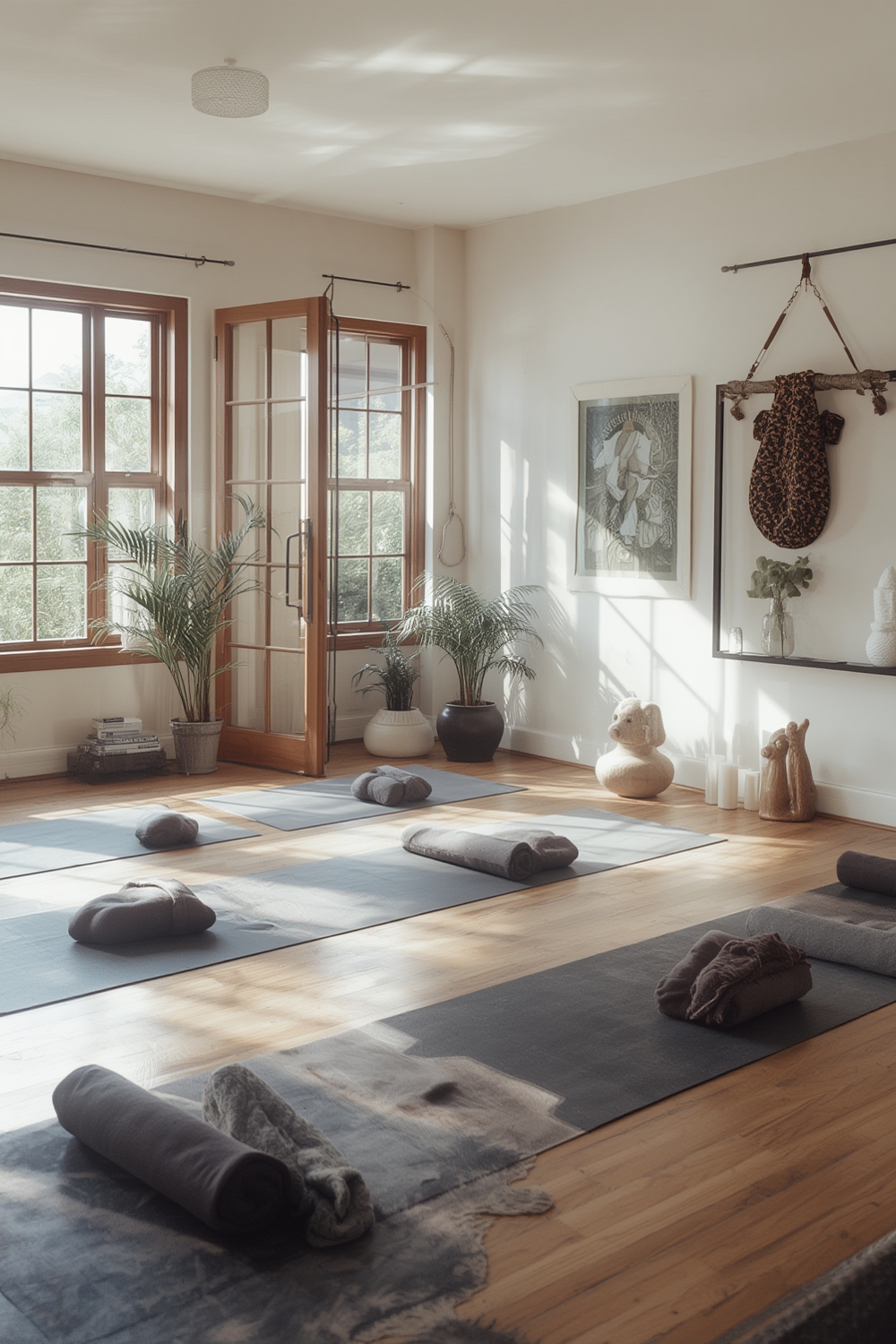
Why the “Yoga Studio Peaceful Sanctuary Revival” Plant Is the Perfect Companion for Your Space
When you step into a yoga studio, the goal is to create a calm, restorative environment that supports both body and mind. One of the most effective ways to enhance that atmosphere is with the right greenery. The Yoga Studio Peaceful Sanctuary Revival plant (often referred to simply as the “Sanctuary Revival”) is specifically chosen for its air‑purifying qualities, low‑maintenance nature, and soothing aesthetic. Studies from NASA’s Clean Air Study show that certain indoor plants can remove up to 87% of volatile organic compounds (VOCs) from the air, and the Sanctuary Revival ranks among the top performers.
Step‑by‑Step Guide to Growing and Caring for the Sanctuary Revival
1. Choose the Ideal Location
- Light requirements: Bright, indirect sunlight is optimal. Aim for 4–6 hours of filtered light daily. If natural light is limited, a north‑facing window with a sheer curtain works well.
- Temperature: Keep the plant in a range of 65–75°F (18–24°C). Sudden drafts from HVAC vents can stress the foliage, so avoid placing it directly in the airflow.
- Practical tip: Use a light meter app on your phone to verify that the spot receives 2,500–3,000 lux. This ensures the plant gets enough photons without scorching its leaves.
2. Select the Right Soil Mix
- Composition: A well‑draining mix of 40% peat moss, 30% perlite, and 30% coarse sand mimics the plant’s native, slightly acidic environment (pH 5.5–6.5).
- Why it matters: Proper drainage prevents root rot, a common issue in humid studio settings where misting is frequent.
- Actionable advice: Before potting, soak the soil mix for 15 minutes, then let it drain completely. This pre‑hydration step reduces the shock when you first water the plant.
3. Potting and Repotting
- Pot size: Choose a container that’s 2–3 inches larger in diameter than the root ball. Terracotta pots are ideal because they allow the soil to breathe.
- Repotting schedule: Every 12–18 months, or when you notice roots circling the pot’s interior, move the plant to a slightly larger container.
- Quick tip: Add a layer of small river stones at the bottom of the pot to improve drainage and reduce the risk of waterlogging.
4. Watering Routine
- Frequency: Water once the top 2 inches of soil feel dry to the touch. In most studios, this translates to once a week during cooler months and twice a week in summer.
- Method: Use lukewarm water and water slowly until it drains out of the bottom hole. Avoid letting the plant sit in a saucer of water for more than 5 minutes.
- Data‑driven tip: Install a moisture sensor (e.g., a simple hygrometer) and set an alert at 30% soil moisture. This helps maintain consistent hydration without guesswork.
5. Feeding and Nutrient Management
- Fertilizer type: A balanced 20‑20‑20 (N‑P‑K) liquid fertilizer diluted to half strength works best.
- Schedule: Feed every 4 weeks during the active growing season (spring through early fall). Reduce feeding to once every 8 weeks in winter when growth naturally slows.
- Pro tip: Add a pinch of organic seaweed extract to the fertilizer solution once a month for extra micronutrients that boost leaf resilience.
6. Pruning and Grooming
- When to prune: Trim any yellowing or brown edges as soon as they appear. This prevents disease spread and encourages fresh growth.
- How to prune: Use clean, sharp scissors at a 45‑degree angle, cutting just above a node (the point where a leaf meets the stem).
- Actionable tip: After pruning, mist the cut area lightly with a diluted neem oil solution (1 ml neem oil per 1 L water) to deter fungal infections.
7. Managing Humidity
- Ideal range: 45–60% relative humidity aligns with the plant’s tropical origins.
- Studio challenge: Many yoga studios have low humidity due to heating or air‑conditioning.
- Solution: Place a small tabletop humidifier nearby, or set the pot on a tray filled with pebbles and water (ensure the pot sits above the water line). This passive method raises local humidity by up to 15%.
8. Pest Prevention
- Common pests: Spider mites, mealybugs, and fungus gnats.
- Early detection: Inspect the undersides of leaves weekly. Look for fine webbing (spider mites) or cottony clusters (mealybugs).
- Eco‑friendly remedy: Spray a solution of 2 % insecticidal soap (mix 20 ml mild liquid soap in 1 L water) and rinse with clean water after 24 hours. For gnats, allow the soil to dry out between waterings and add a layer of sand on top.
Integrating the Sanctuary Revival Into Your Yoga Studio’s Aesthetic
Beyond its health benefits, the Sanctuary Revival adds visual serenity. Here are three design ideas that blend the plant seamlessly into a yoga space:
- Corner focal points: Position a tall specimen in a quiet corner, paired with a low‑profile floor cushion. This creates a natural “green altar” for meditation.
- Wall-mounted planters: Use macramé hangers at eye level to keep the plant within the line of sight, reinforcing a sense of upward growth during poses.
- Group arrangements: Cluster three to five plants of varying heights on a reclaimed wood shelf. The layered foliage mimics a forest canopy, enhancing the studio’s grounding energy.
Measuring Success: Data‑Driven Indicators
To ensure your Sanctuary Revival thrives, track these simple metrics:
- Leaf color: Vibrant green indicates optimal nutrient uptake. A shift to pale or yellow suggests a nutrient deficiency or over‑watering.
- Growth rate: Expect 2–4 inches of new shoot length per month during the growing season. Slower growth may signal insufficient light or temperature fluctuations.
- Air quality improvement: Use a portable air quality monitor (e.g., a CO₂ and VOC sensor). A 10–15% reduction in VOC levels after introducing the plant confirms its purifying effect.
Quick Reference Checklist
| Task | Frequency | Key Action |
|---|---|---|
| Check light levels | Weekly | Confirm 2,500–3,000 lux with a light meter |
| Water | When top 2″ soil dry | Water until drainage, avoid saucer standing water |
| Fertilize | Every 4 weeks (spring‑fall) | Half‑strength 20‑20‑20 liquid fertilizer |
| Prune | As needed | Trim yellow/brown edges, use clean scissors |
| Humidity check | Bi‑weekly | Maintain 45–60% RH; use humidifier or pebble tray |
| Pest inspection | Weekly | Look under leaves; treat with 2% insecticidal soap if needed |
Final Thoughts
The Yoga Studio Peaceful Sanctuary Revival plant is more than a decorative element—it’s a living tool that supports the holistic goals of any yoga space. By following the data‑backed steps above, studio owners can ensure the plant thrives, improves indoor air quality, and reinforces the tranquil vibe essential for a successful practice. Consistency, observation, and a touch of mindfulness in plant care will turn your studio into a true sanctuary, where both practitioners and greenery flourish together.