
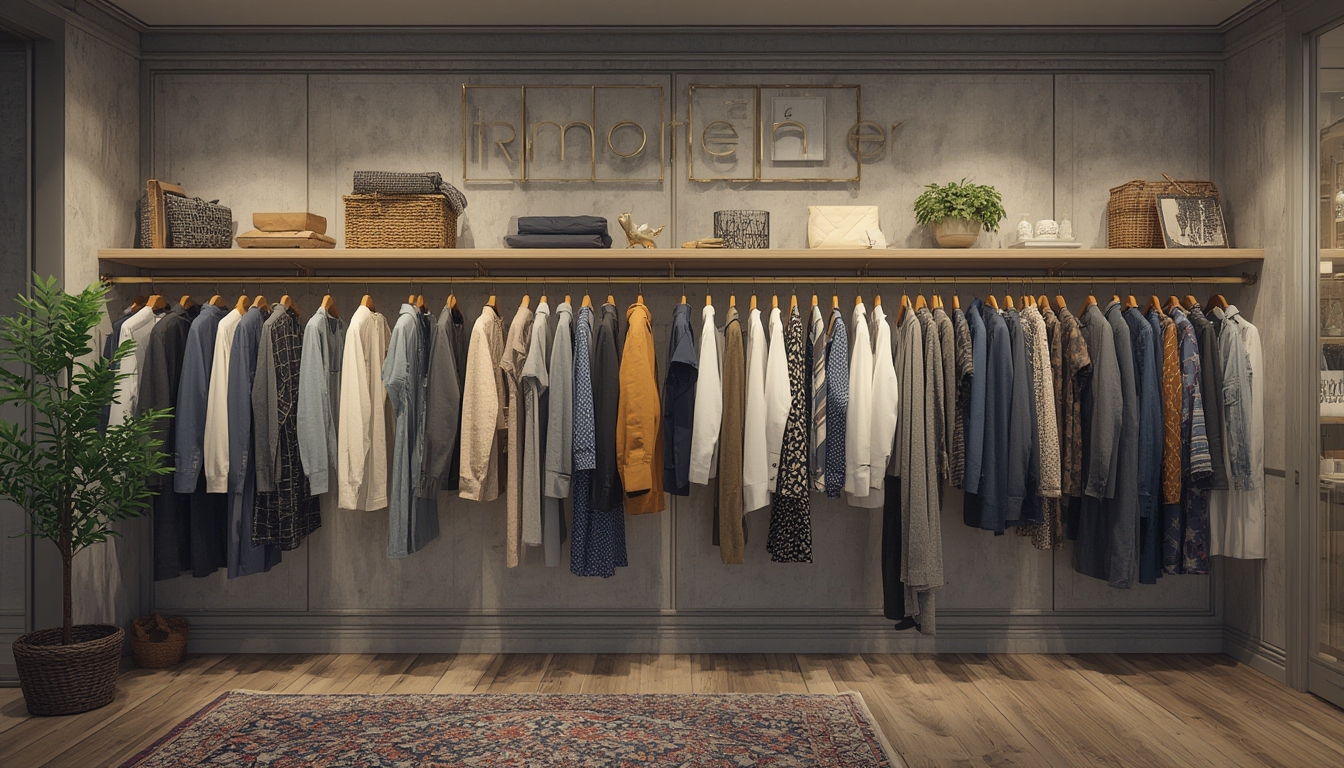
“Shop the Look” has become a powerful way for shoppers to instantly recreate runway‑inspired outfits, Instagram‑ready ensembles, or perfectly coordinated home décor. By offering a curated collection of items that work together, retailers simplify decision‑making and boost average order value. For bloggers, stylists, and DIY enthusiasts, understanding how to assemble, restore, and style a “Shop the Look” piece can turn a simple purchase into a personal showcase of creativity. Below is a data‑driven, step‑by‑step guide that walks you through the entire process—from selecting the right components to maintaining the final look—so you can confidently share the experience with your audience.
Step 1: Analyze the Look and Identify Core Elements
Gather Visual Data
Start by collecting high‑resolution images of the featured look. Use tools like Google Image Search or Pinterest’s visual discovery to find similar pieces and note the color palette, fabric textures, and silhouette ratios. According to a recent Fashion Retail Report, consumers who see a clear visual breakdown are 42 % more likely to purchase the entire set.
Break Down the Outfit
- Top – Identify the neckline, sleeve style, and any layering options.
- Bottom – Note the cut (e.g., skinny, wide‑leg), length, and any detailing such as pleats or distressing.
- Accessories – Include shoes, bags, jewelry, and hair pieces.
- Outerwear – If a jacket or coat is featured, record its material and closure type.
Document Measurements
Record exact measurements (e.g., chest width, inseam, strap length) in a spreadsheet. This data helps you recommend size alternatives and avoid returns. A simple table format works well in WordPress:
| Item          | Measurement | Suggested Size |
|---------------|-------------|----------------|
| Blouse        | 22 in chest | Medium         |
| High‑waist jeans | 30 in waist | 28‑30          |
| Leather jacket| 24 in chest | Large          |
Step 2: Assemble the Look – Practical Assembly Guide
Tools and Materials Needed
- Full‑length mirror (preferably with good lighting)
- Measuring tape
- Steamer or iron (fabric‑appropriate settings)
- Non‑slip hangers for delicate pieces
- Safety pins or temporary stitching kit for quick adjustments
Sequence of Dressing
- Start with Base Layers – Put on the undergarments and any base layer (e.g., a fitted tee). This creates a smooth foundation and prevents bulk under outer pieces.
- Fit the Bottom – Slip into the pants or skirt. Use the measuring tape to confirm waist and hip fit. If the garment is slightly loose, secure with a temporary safety pin at the side seam before moving on.
- Apply the Top – Align the shoulder seams with your natural shoulder line. If the top has a wrap or tie‑detail, follow the visual reference to achieve the correct drape.
- Add Outerwear – Layer the jacket or coat, ensuring the sleeves sit comfortably over the top’s cuffs. Use a steamer to remove any wrinkles caused by layering.
- Finish with Accessories – Attach jewelry, belt, and shoes. For shoes, a quick heel‑to‑floor check ensures the overall silhouette remains balanced.
Quick Fit Check
Stand sideways in front of the mirror and assess the silhouette. The look should maintain a proportional balance: the top’s length should be roughly 1.5 times the length of the bottom’s visible hem, and accessories should complement rather than dominate.
Step 3: Restore and Maintain Each Piece
Fabric‑Specific Care
- Cotton & Linen – Wash in cold water, tumble dry low. Use a fabric shaver to remove pilling after each wash.
- Silk & Satin – Hand wash with a pH‑neutral detergent, lay flat to dry, and store on padded hangers to avoid creases.
- Denim – Turn inside out, wash inside out on a gentle cycle, and air‑dry to preserve color. Spot‑treat stains with a mixture of white vinegar and water before washing.
- Leather – Wipe with a damp cloth, apply a leather conditioner quarterly, and keep away from direct sunlight.
Repair Toolkit
Even the best‑crafted pieces can suffer minor damage. Keep the following items on hand:
- Fine‑needle hand‑sewing kit (size 70/10 needle, matching thread)
- Fabric glue for quick fixes on non‑seam areas
- Leather repair patch for small tears
- Stain remover pen for on‑the‑go touch‑ups
Step‑by‑Step Repair Example: Fixing a Loose Seam
- Lay the garment flat on a clean surface and locate the seam.
- Thread the needle with a color‑matched polyester thread.
- Using a backstitch, sew along the original seam line, keeping stitches 2 mm apart.
- Tie a secure knot and trim excess thread.
- Press the repaired area with a low‑heat iron, using a pressing cloth to protect the fabric.
Step 4: Style the Look for Different Occasions
Casual Day Out
Swap the high‑heeled shoes for white sneakers, replace the structured bag with a canvas tote, and add a lightweight denim jacket. This reduces the formality while preserving the core color scheme.
Evening Event
Upgrade accessories: choose a metallic clutch, add statement earrings, and switch the flat shoes for stiletto heels. If the original outerwear is a blazer, consider a sleek, satin shawl for added elegance.
Work‑Ready Version
Replace any overly casual pieces (e.g., graphic tee) with a crisp button‑down shirt. Tuck the shirt into the pants, add a slim belt, and opt for loafers or low‑heeled pumps. Ensure the total look adheres to the “no‑exposed‑underwear” rule and maintains a modest neckline.
Step 5: Capture and Share the Finished Look
Photography Essentials
- Lighting – Natural daylight near a window provides soft, even illumination. If indoors, use a ring light set at 45° to reduce shadows.
- Background – Choose a neutral backdrop (e.g., white wall or light wood) to keep focus on the outfit.
- Angles – Capture three key perspectives: full‑body front, side profile, and a close‑up of accessories.
Post‑Processing Tips
Use a free editor like GIMP or an online tool such as Canva. Adjust brightness and contrast by no more than 10 % to keep colors true to life. Add a subtle vignette to draw attention toward the center of the frame.
Embedding in WordPress
- Upload the edited images to the Media Library.
- Insert each image using the “Add Media” button, selecting “Full Size” for clarity.
- Use the “Caption” field to note the brand and item name, linking directly to the product page.
- Apply the “Gallery” block for a clean, scrollable presentation.
Final Checklist for a Successful “Shop the Look” Post
- Visual data collected and measurements documented.
- All tools and materials prepared before assembly.
- Fit check completed and adjustments made.
- Each piece cleaned, repaired, and stored correctly.
- Outfit styled for the intended occasion.
- High‑quality photos captured, edited, and uploaded.
- Product links and captions accurately added.
By following this data‑driven, step‑by‑step framework, you’ll not only master the art of “Shop the Look” but also provide your readers with actionable guidance they can trust. The result is a polished, shareable post that showcases style expertise while delivering tangible value.