
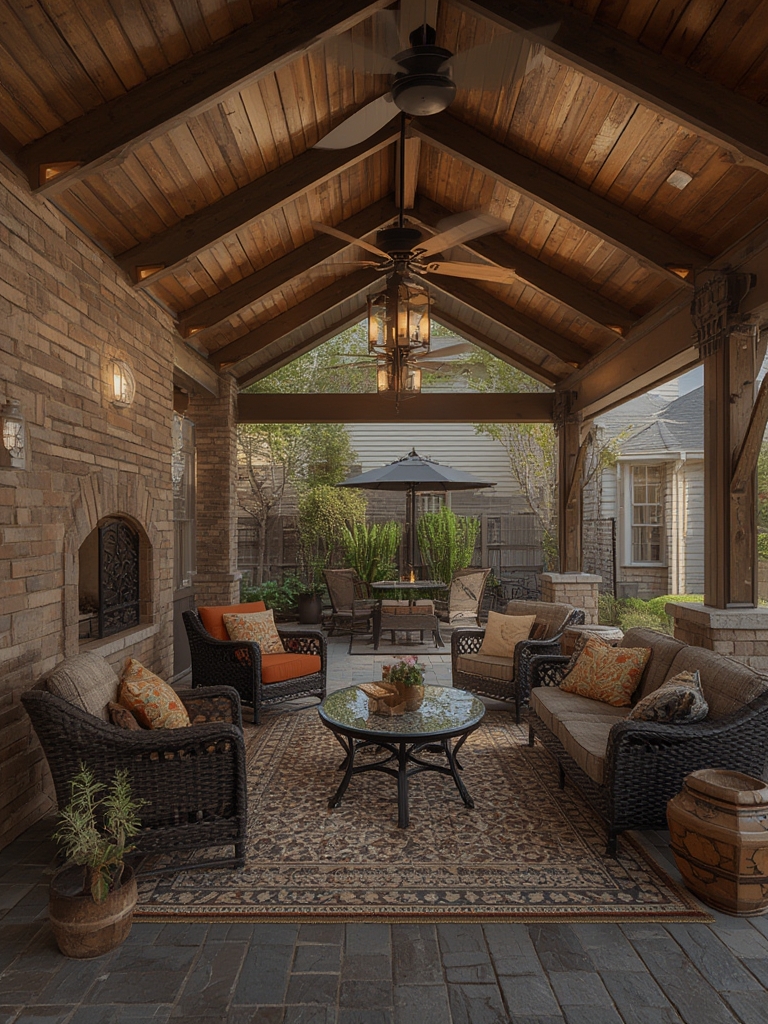
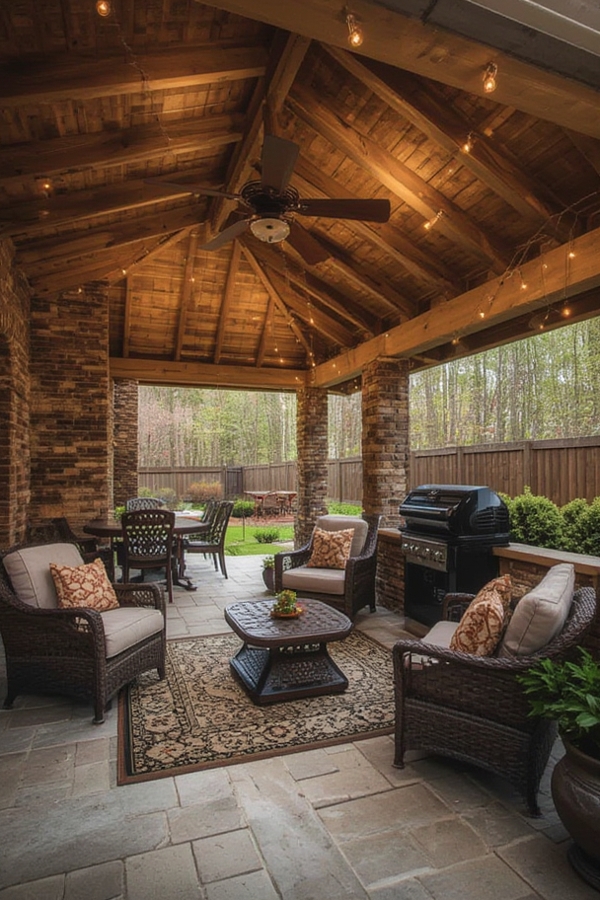
Transforming a simple covered patio into an all‑weather entertainment hub can dramatically boost the value and enjoyment of your home. By blending smart design, weather‑proof materials, and thoughtful landscaping, you can create a space that thrives in sunshine, rain, snow, and wind. Below is a data‑driven, step‑by‑step guide that walks you through planning, building, and maintaining a resilient patio that invites gatherings year‑round.
1. Assess Your Space and Climate
Gather Local Weather Data
- Use the National Weather Service or a reliable climate database to pull the average annual precipitation, temperature range, and wind speeds for your zip code.
- Identify the most common extreme conditions (e.g., heavy snowfall in December, summer thunderstorms in July) to prioritize protective features.
Measure and Map the Area
- Measure the length, width, and height of the existing patio or the area you plan to cover.
- Create a simple floor plan on graph paper or a free online tool (like SketchUp) to visualize furniture placement, lighting, and drainage pathways.
2. Choose the Right Covering System
Material Selection Based on Data
- Polycarbonate Panels: Offer 90% UV protection, high impact resistance, and excellent insulation. Ideal for regions with heavy snowfall.
- Aluminum Pergolas with Retractable Fabric: Provide flexibility for sunny days and can be sealed with waterproof curtains during rain.
- Glass Roofing: Best for moderate climates; consider low‑E glass to reduce heat gain.
Installation Tips
- Follow the manufacturer’s recommended spacing for support beams to prevent sagging under snow loads (typically 24‑30 inches for polycarbonate).
- Seal all joints with silicone or EPDM tape to prevent water infiltration.
- Include a slight pitch (1‑2%) toward drainage points to avoid standing water.
3. Optimize Weather‑Proof Flooring
Durable Surface Options
- Stamped Concrete with Sealant: Cost‑effective, resistant to moisture, and can mimic natural stone.
- Outdoor Tiles (Porcelain or Stoneware): Provide slip resistance and are easy to clean.
- Composite Decking: Handles temperature fluctuations without warping.
Installation Best Practices
- Lay a vapor barrier (6‑mil polyethylene) before installing any flooring to prevent moisture migration.
- Use a polymer‑modified mortar for tile installations to improve flexibility in freeze‑thaw cycles.
- Apply a high‑performance, UV‑stable sealant annually to extend the life of concrete or stone surfaces.
4. Integrate All‑Weather Seating and Furniture
Material Recommendations
- Aluminum Frames with UV‑Resistant Fabrics: Lightweight, rust‑proof, and maintain color longer.
- Teak or Ipe Wood: Naturally oil‑rich, resistant to rot, and can be refreshed with a teak oil finish.
- Synthetic Rattan: Offers a modern look while withstanding rain and sun.
Practical Arrangement Tips
- Group seating in zones (e.g., dining, lounge, game area) to encourage flow and conversation.
- Incorporate modular pieces that can be re‑configured for different events.
- Use outdoor cushions with quick‑dry foam and removable, machine‑washable covers.
5. Install Climate‑Control Features
Heating Solutions
- Infrared Patio Heaters: Provide direct heat, are energy‑efficient, and work well under a cover.
- Electric Radiant Floor Heating: Install under tile or concrete for even warmth; pair with a programmable thermostat.
Cooling Solutions
- Ceiling Fans with Reversible Motors: Circulate cool air in summer and push warm air down in winter.
- Misting Systems: Use a low‑pressure mist to lower temperature by up to 15°F on hot days.
6. Add Lighting for Mood and Safety
Layered Lighting Approach
- Ambient: Recessed LED strips along the perimeter; choose a dimmable warm‑white (2700‑3000K) for a cozy feel.
- Task: Spotlights over the kitchen or bar area; ensure they are rated IP65 for moisture resistance.
- Accent: String lights or lanterns to create visual interest; opt for solar‑powered options for energy savings.
Smart Controls
- Integrate lighting with a smart hub (e.g., Google Home, Alexa) to schedule scenes based on sunset times.
- Use motion sensors near entryways to automatically illuminate pathways and improve safety.
7. Incorporate Weather‑Resilient Entertainment
Audio‑Visual Setup
- Choose outdoor‑rated speakers (IP66) and mount them under the roof to protect from rain.
- Install a weather‑sealed TV or projector screen; consider a retractable screen that can be pulled down only when needed.
Game & Activity Zones
- Set up a waterproof ping‑pong table or a weather‑proof dartboard.
- Include a built‑in fire pit with a glass cover for year‑round use.
8. Landscape for Drainage and Aesthetic Appeal
Drainage Solutions
- Install a French drain along the patio’s perimeter to channel excess water away from the foundation.
- Use permeable pavers or gravel beds around the patio to promote natural infiltration.
Plant Selections
- Choose evergreen shrubs (e.g., boxwood, dwarf conifers) for year‑round privacy.
- Incorporate rain‑tolerant perennials (e.g., hostas, ferns) in planters to soften the space.
- Use raised beds with a mix of ornamental grasses that sway in the wind, adding movement without obstructing views.
9. Maintenance Routine for Longevity
Monthly Checklist
- Inspect roof panels for cracks or loose fasteners; tighten or replace as needed.
- Clean gutters and downspouts to ensure proper water flow.
- Wipe down furniture with a mild soap solution; re‑apply protective sealant on wood every 3‑4 months.
Seasonal Tasks
- Spring: Power‑wash the flooring, check for mold on the roof, and refresh plantings.
- Summer: Trim foliage to maintain airflow, test lighting and audio systems for any heat‑related issues.
- Fall: Clear leaves from drainage channels, store or cover any removable furniture, and inspect heating elements.
- Winter: Snow removal using a soft‑bristle broom; avoid metal shovels that could damage panels.
10. Track Performance and Optimize
Data‑Driven Adjustments
- Install a smart sensor hub that logs temperature, humidity, and usage patterns.
- Review monthly reports to identify energy spikes (e.g., heating on unusually cold nights) and adjust thermostat schedules.
- Use visitor analytics (e.g., motion counters) to see which zones are most popular and rearrange furniture accordingly.
Continuous Improvement
- Experiment with different lighting scenes based on guest feedback.
- Swap out seasonal décor (e.g., holiday wreaths, summer lanterns) to keep the space feeling fresh.
- Stay updated on new outdoor‑grade materials; a simple upgrade to a higher‑R‑value roof panel can improve comfort and reduce heating costs.
By following these data‑backed steps, you’ll create a covered patio that not only withstands the elements but also becomes the go‑to destination for entertainment throughout the year. The key is thoughtful planning, quality materials, and a disciplined maintenance schedule—each element reinforcing the others to deliver a resilient, inviting outdoor living space.