
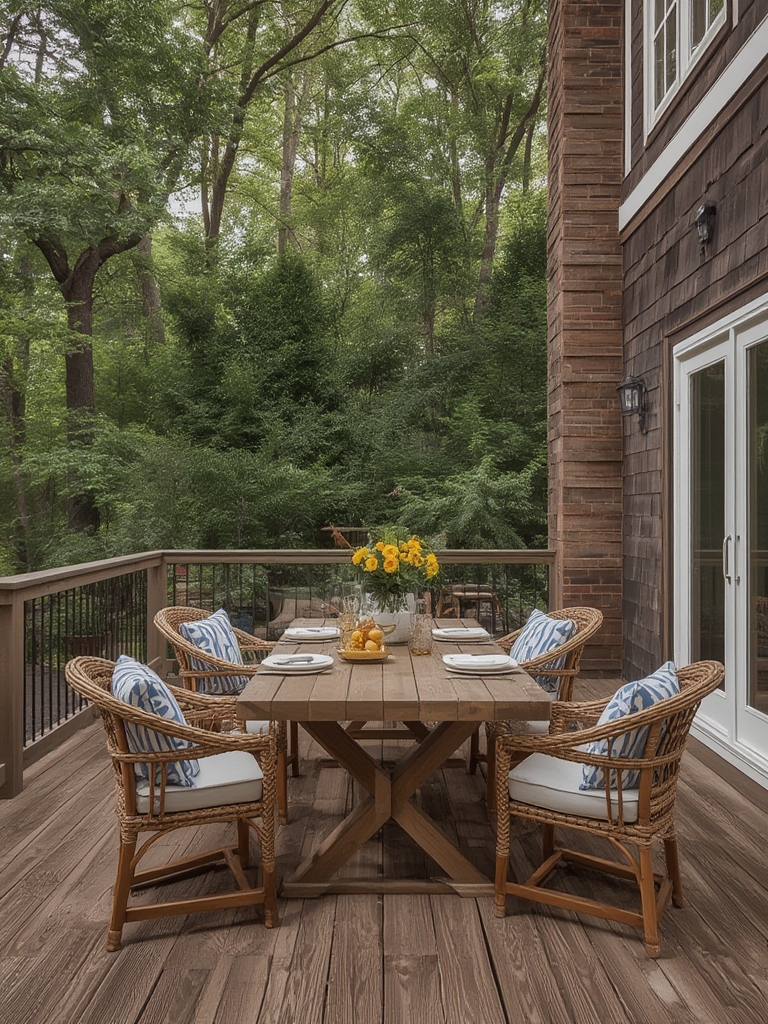

Transforming a tired deck into a vibrant outdoor dining oasis can dramatically boost your home’s curb appeal, increase usable square footage, and create a welcoming space for family meals and entertaining guests. By combining strategic design, durable materials, and smart maintenance practices, you can revive your deck into a functional, stylish, and low‑maintenance dining area that stands up to the elements year after year.
Assess the Current Deck Condition
1. Conduct a Structural Inspection
- Check for rot, cracks, or loose boards: Use a screwdriver to probe each board; any wood that feels soft or yields easily should be replaced.
- Inspect fasteners: Replace rusted or missing screws and nails with stainless‑steel or coated hardware to prevent corrosion.
- Evaluate the joists and support beams: Look for sagging or uneven areas; reinforce with additional joists or joist hangers if needed.
2. Measure and Document Dimensions
- Record the deck’s length, width, and height to determine the amount of decking material, railing, and furniture you’ll need.
- Use a laser measure for accuracy; this data helps you create a precise material list and avoid costly overruns.
3. Identify Sunlight and Shade Patterns
- Track the deck’s exposure throughout the day for at least three days. Note areas that receive full sun, partial shade, or full shade.
- These patterns will guide your plant selections, shade structures, and lighting placement.
Plan the Layout and Design
1. Choose a Functional Zoning Scheme
- Dining zone: Allocate a central area for a table and chairs, ensuring at least 36‑48 inches of clearance around the perimeter for easy movement.
- Prep zone: If space allows, add a compact outdoor kitchen island or a rolling cart for serving dishes and drinks.
- Relax zone: Incorporate a small lounge area with cushions or a bench for post‑meal relaxation.
2. Select Durable Decking Materials
- Composite decking: Offers low maintenance, resistance to rot, and a consistent appearance. Look for products with a minimum 25‑year warranty for long‑term confidence.
- Pressure‑treated lumber: A budget‑friendly option; apply a high‑quality, UV‑resistant sealant every 12‑18 months.
- Exotic hardwoods (e.g., ipe, teak): Provide natural beauty but require regular oiling to maintain color and prevent cracking.
3. Integrate Shade Solutions
- Retractable awnings: Offer adjustable coverage; choose models with water‑resistant fabric and motorized operation for convenience.
- Shade sails: Install triangular or rectangular sails anchored to the deck’s railing; they provide stylish, cost‑effective shade while allowing airflow.
- Pergola with climbing vines: Add a pergola structure and plant fast‑growing vines like trailing jasmine for natural shade that also enhances aesthetics.
Implement Practical Steps for Revitalization
1. Clean and Prepare the Surface
- Power wash the deck at 1500–2000 psi using a fan‑spray nozzle to remove dirt, mildew, and old sealant.
- Allow the surface to dry completely (24‑48 hours) before proceeding.
- Apply a deck cleaner or a mixture of 1 cup trisodium phosphate (TSP) per gallon of water for stubborn stains, scrubbing with a stiff brush.
2. Repair or Replace Damaged Boards
- Remove any rotted or cracked boards with a pry bar.
- Cut replacement pieces to exact dimensions and secure them with stainless‑steel screws, pre‑drilling pilot holes to prevent splitting.
- Apply a wood filler to small cracks, sanding smooth once dry.
3. Apply a Protective Finish
- For composite decks, a protective sealant is optional but can enhance color depth.
- For wood decks, use a water‑based, UV‑protective sealant applied with a roller or brush in thin, even coats. Follow the manufacturer’s drying time (typically 4‑6 hours) and apply a second coat for optimal protection.
- Schedule re‑sealing every 12‑18 months based on foot traffic and weather exposure.
4. Install Railing and Safety Features
- Choose railing materials that complement the deck’s style—e.g., powder‑coated aluminum for a modern look or wrought iron for a classic feel.
- Ensure railing height meets local code (typically 36‑42 inches) and spacing between balusters does not exceed 4 inches to prevent child entrapment.
- Secure the railing with galvanized lag bolts and verify all joints are tight.
5. Add Furniture and Accessories
- Select weather‑resistant dining sets made from teak, aluminum, or synthetic wicker. Look for cushions with UV‑protected, quick‑dry foam.
- Incorporate a centerpiece such as a low-profile fire pit or a decorative planter to anchor the space.
- Install LED string lights or solar‑powered lanterns for ambient evening lighting; aim for 30‑40 lumens per foot of string for a warm glow.
Maintain the Revived Deck for Longevity
1. Routine Cleaning Schedule
- Sweep debris daily to prevent moisture retention.
- Perform a light power wash and spot‑clean stains monthly.
- Use a mild dish‑soap solution for greasy residues from outdoor cooking.
2. Seasonal Inspections
- In spring, check for winter damage—loose boards, rusted hardware, or water infiltration.
- Reapply sealant before the first heavy rain season.
- During fall, clear leaves promptly to avoid mold growth.
3. Protect Against Weather Extremes
- Use deck covers or waterproof furniture cushions during prolonged rain or snow.
- Apply a breathable, water‑repellent spray to cushions and fabric accessories every 6‑8 weeks.
- Consider installing a drainage slope of at least 1/4 inch per foot away from the house to prevent water pooling.
Data‑Driven Tips for Maximizing ROI
1. Track Material Costs vs. Longevity
Based on industry surveys, composite decking reduces long‑term maintenance costs by up to 45 % compared with pressure‑treated wood over a 10‑year period. Factor this into your budget to justify the higher upfront investment.
2. Optimize Furniture Layout Using Heat‑Map Tools
Free online tools (e.g., SketchUp or RoomSketcher) let you simulate foot traffic and identify high‑traffic zones. Position the dining table away from these pathways to reduce wear and improve flow.
3. Leverage Seasonal Plantings for Visual Appeal
Integrate container plants that thrive in your deck’s sun exposure—e.g., lavender for full sun, ferns for shade. Rotate seasonal blooms every 8‑10 weeks to keep the space fresh and attract pollinators.
4. Monitor Energy Savings from LED Lighting
Switching to LED string lights can cut lighting energy consumption by up to 80 %. Use a smart plug with a timer to ensure lights operate only during evening hours, extending bulb life and saving on electricity.
Final Checklist for a Successful Deck Revival
- Complete structural inspection and repair any damage.
- Choose the right decking material and apply a protective finish.
- Plan functional zones and install appropriate shade structures.
- Add durable, weather‑resistant furniture and ambient lighting.
- Establish a regular cleaning and maintenance routine.
- Track costs, use design tools for layout optimization, and incorporate seasonal plantings.
By following these data‑backed steps and practical tips, you’ll transform your deck into a lively outdoor dining space that not only looks stunning but also stands the test of time. Happy reviving!
