
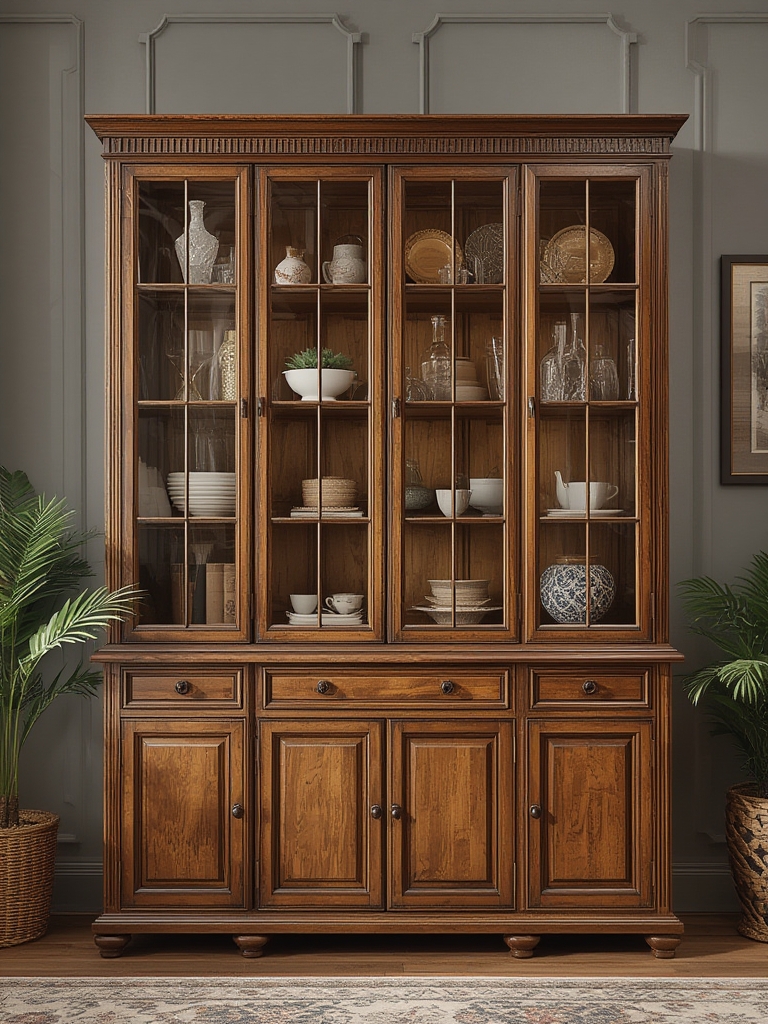
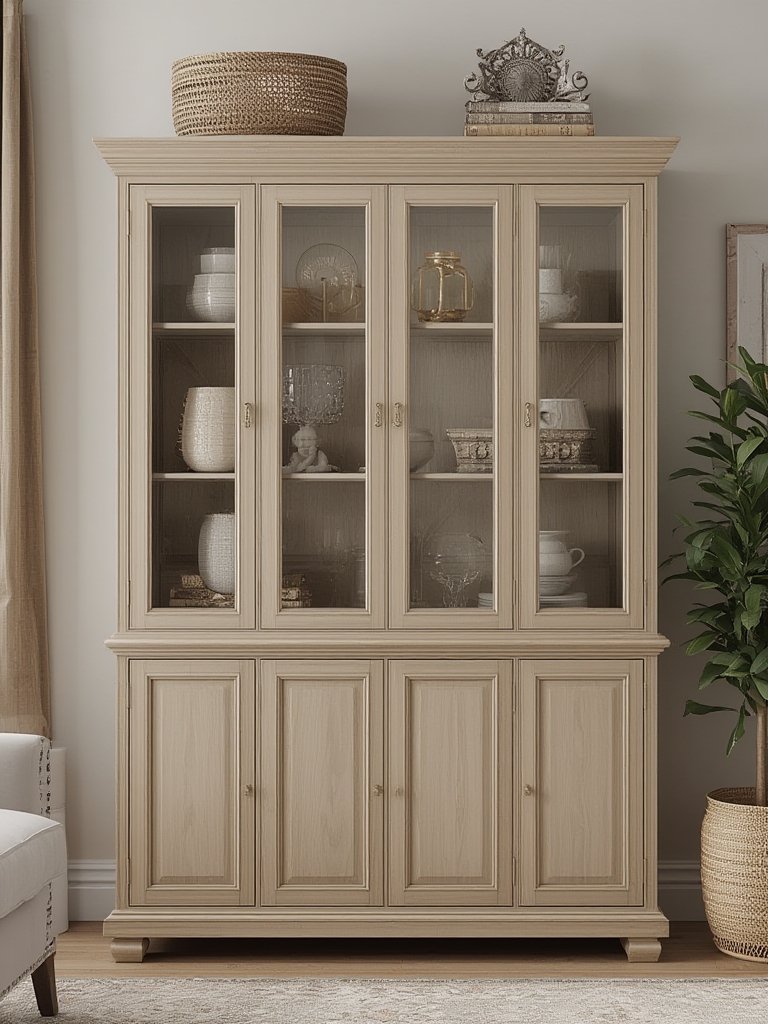
Glass‑front display cabinets are the perfect blend of functionality and style, turning everyday items into eye‑catching décor while protecting them from dust and damage. Whether you’re showcasing heirloom china, a curated collection of vintage books, or a splash of greenery, the right cabinet can elevate any room. In this guide, you’ll learn how to choose the ideal glass cabinet, style it like a pro, and even care for a houseplant that thrives behind those gleaming doors—all while keeping SEO in mind for a high‑ranking WordPress post.
Why Choose a Glass‑Front Display Cabinet?
Visual Appeal
Clear glass creates a sense of openness, making small spaces feel larger. Light passes through the panes, highlighting textures and colors of the items inside. This transparency also adds a modern, museum‑like quality that instantly upgrades a room’s aesthetic.
Versatility
A glass cabinet works in any design scheme—from minimalist Scandinavian to eclectic boho. It can house anything from delicate ceramics to tech gadgets, and the adjustable shelves let you reconfigure the interior as your collection evolves.
Key Features to Look for in a Glass‑Front Display Cabinet
Glass Type
- Tempered glass: Stronger and shatter‑resistant, ideal for high‑traffic areas.
- Low‑iron glass: Offers crystal‑clear visibility with minimal green tint, perfect for showcasing colorful items.
- Anti‑glare coating: Reduces reflections, ensuring your décor stays the focus.
Frame Material
- Wood: Adds warmth; choose hardwoods like oak or walnut for durability.
- Metal: Sleek and industrial; powder‑coated finishes resist rust.
- Mixed: Combine wood and metal for a contemporary look.
Adjustable Shelving
Look for brackets that slide or fold, allowing you to accommodate items of varying heights. Shelves with a slight lip prevent objects from slipping, especially when the cabinet is moved.
Styling Tips for a Stunning Home Décor
Lighting
Integrate LED strip lights along the interior top rail. Warm‑white LEDs (2700‑3000 K) enhance wood tones, while cool‑white (4000‑5000 K) accentuates glassware. Use a dimmer switch to adjust ambience for day or night.
Color Coordination
Group items by color family to create visual harmony. For example, arrange pastel ceramics together, then place a bold, monochrome sculpture as a focal point. Use neutral backdrops—like a light gray or beige shelf liner—to let colors pop.
Declutter and Curate
Less is more. Select 7‑10 standout pieces per shelf, leaving breathing room. Rotate items seasonally to keep the display fresh and encourage viewers to notice new details.
Incorporating Live Plants for a Fresh Touch
Ideal Plants for Glass Cabinets
Choose low‑maintenance, shade‑tolerant plants that thrive in the filtered light of a cabinet:
- Snake Plant (Sansevieria): Tolerates low light and irregular watering.
- ZZ Plant (Zamioculcas zamiifolia): Survives in dim conditions and needs minimal care.
- Air Plants (Tillandsia): No soil required; they absorb humidity from the air.
Care Guide for the Snake Plant
The snake plant is a top choice because it adds a sleek, architectural element that complements glass aesthetics. Follow these step‑by‑step instructions for a thriving specimen.
- Choose the Right Pot. Use a shallow, breathable container (terra cotta or unglazed ceramic) with drainage holes. A pot 1‑2 inches larger than the root ball prevents water stagnation.
- Use Well‑Draining Soil. Mix 2 parts potting mix, 1 part perlite, and 1 part coarse sand. This mimics the plant’s native arid environment and avoids root rot.
- Place in Indirect Light. Position the cabinet near a north‑facing window or a few feet from a bright window. If natural light is limited, install a low‑intensity LED grow light (≈150 µmol m⁻² s⁻¹) for 6‑8 hours daily.
- Water Sparingly. Water only when the top 2 inches of soil feel dry—typically every 3‑4 weeks. Use a measured ¼‑cup of water, allowing excess to drain completely.
- Maintain Humidity. The cabinet’s glass can trap moisture; wipe the interior glass weekly to prevent mold. If humidity spikes above 60 %, place a small silica gel packet on the lower shelf.
- Fertilize Lightly. Apply a balanced, diluted (¼ strength) liquid fertilizer once in spring and once in summer. Skip feeding in fall and winter when growth naturally slows.
- Rotate Periodically. Turn the pot 90° every month to ensure even light exposure, preventing one side from becoming leggy.
- Prune Dead Leaves. Use clean scissors to cut away any brown or mushy leaves at the base. This encourages new growth and keeps the display tidy.
By following these steps, your snake plant will not only survive but become a striking green accent that softens the glass’s sleekness.
SEO Best Practices for Your Blog Post
Keyword Research
Target long‑tail phrases such as “glass front display cabinet ideas,” “how to style a glass cabinet,” and “snake plant care in low light.” Use tools like Google Keyword Planner or Ahrefs to find keywords with 500‑2,000 monthly searches and low competition.
On‑Page Optimization
- Title Tag: Keep it under 60 characters, e.g., “Glass‑Front Display Cabinet Ideas + Snake Plant Care Guide.”
- Meta Description: Summarize the post in 150‑160 characters, incorporating the primary keyword.
- Header Structure: Use one H2 for each major section and H3 for sub‑topics, as demonstrated above.
- Image Alt Text: Describe each visual, e.g., “modern glass cabinet with snake plant on top shelf.”
- Internal Links: Connect to related posts like “Top 10 Home Décor Trends 2024” or “Low‑Maintenance Houseplants for Beginners.”
Internal & External Links
Link to authoritative sources (e.g., a horticulture university page on snake plant care) to boost credibility. Also, reference product pages for recommended cabinets, using affiliate links if appropriate.
Finally, monitor performance with Google Search Console and adjust keywords or headings based on click‑through rates and average position. Consistent updates—adding new plant varieties or cabinet designs—signal freshness to search engines.
With the right cabinet, thoughtful styling, and a touch of greenery, you’ll create a display that dazzles visitors and ranks well in search results. Happy decorating!