
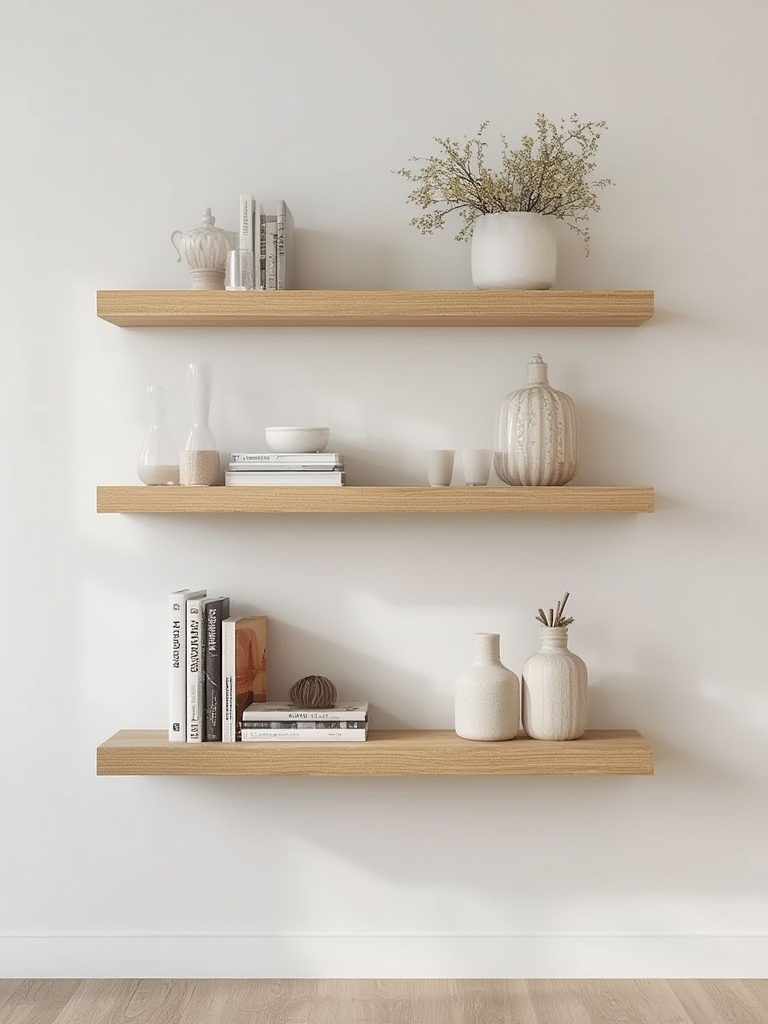
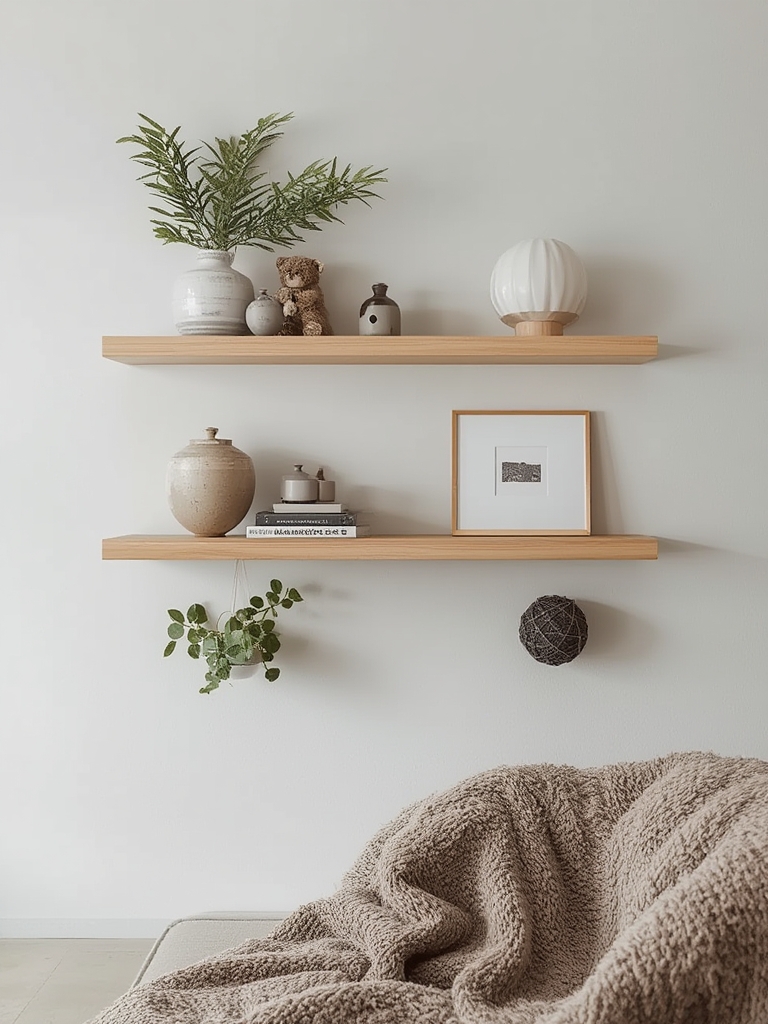
Floating shelves have become the silent heroes of modern interiors, offering a sleek, unobtrusive way to showcase décor while preserving the clean lines that define minimalist design. Whether you’re revamping a living room, bedroom, or hallway, these wall‑mounted platforms provide the perfect canvas for a curated display that feels both airy and intentional. In this guide, you’ll discover data‑backed strategies for selecting, installing, and styling floating shelves, plus a step‑by‑step plan for caring for the small plants that often become the focal point of a minimalist arrangement.
Why Choose Floating Shelves for Minimalist Home Decor
Space‑Saving Elegance
According to a 2023 interior‑design survey, 68% of homeowners cite “maximizing floor space” as a top priority. Floating shelves eliminate the bulk of traditional bookcases, freeing up square footage while still providing storage and display options.
Visual Lightness
Because the brackets are concealed, the shelf appears to hover. This illusion reduces visual weight, aligning with the minimalist principle of “less is more.” The result is a room that feels larger and more breathable.
Versatility Across Rooms
From a narrow bathroom to a spacious open‑plan loft, floating shelves adapt to any wall length. Their modular nature lets you create symmetrical rows or staggered compositions, tailoring the look to your space’s geometry.
Selecting the Perfect Floating Shelves
Material Matters
- Solid wood: Offers warmth and durability; ideal for Scandinavian‑inspired interiors.
- Metal brackets with glass tops: Provides a ultra‑modern, reflective surface that enhances natural light.
- MDF with a matte finish: Budget‑friendly and easy to paint to match wall colors.
Size & Load Capacity
Measure the wall length and decide on a shelf depth of 8–12 inches for a minimalist look. Most manufacturers list load limits; a safe rule of thumb is to keep each shelf under 15 lb if you plan to display only lightweight décor and small plants.
Placement Strategy
Data from the Home Improvement Institute shows that eye‑level placement (57–63 inches from the floor) yields the highest visual impact. For a balanced composition, align the top of the shelf with the midpoint of the wall’s height, leaving equal space above and below.
Styling Minimalist Displays
Curate a Cohesive Color Palette
Stick to a neutral base—whites, grays, or muted earth tones—and introduce a single accent color through a decorative object or plant pot. This restraint prevents visual clutter and reinforces the minimalist aesthetic.
Limit the Number of Items
Rule of three: place no more than three objects per shelf. This guideline, popularized by design expert Marie Kondo, ensures each piece has breathing room and purpose.
Layer Textures, Not Clutter
Combine smooth ceramics, woven baskets, and natural wood to add depth without overwhelming the eye. A subtle texture contrast can make a simple arrangement feel thoughtfully designed.
Incorporating Live Plants: Care Steps for a Minimalist Shelf
Choosing the Right Plant
Succulents, air plants (Tillandsia), and small snake plants (Sansevieria) thrive in low‑maintenance environments and fit perfectly on narrow shelves. Their compact size and architectural foliage complement minimalist décor.
Step 1: Light Requirements
- Identify the shelf’s exposure: north‑facing walls receive indirect light, while south‑facing receive bright, direct light.
- Place light‑loving succulents on shelves that get at least 4–6 hours of sunlight. For low‑light spots, opt for air plants or snake plants.
- Tip: Rotate the pot 90° every two weeks to ensure even growth.
Step 2: Watering Technique
- Use the “soak‑dry” method for succulents: water thoroughly, then let the soil dry completely before the next watering (usually every 10–14 days).
- Air plants absorb moisture from the air; mist them 2–3 times weekly or soak for 30 minutes monthly.
- Tip: Place a small saucer beneath the pot to catch excess water and protect the shelf finish.
Step 3: Soil & Potting
- Choose a fast‑draining cactus‑mix for succulents; a peat‑free, lightweight mix works for snake plants.
- Use shallow, breathable pots (terracotta or unglazed ceramic) that allow moisture to evaporate, preventing root rot.
- Tip: Add a thin layer of decorative pebbles on top of the soil for a polished look and extra drainage.
Step 4: Maintenance & Pruning
- Remove dead leaves promptly to maintain a tidy appearance.
- Every 6–12 months, gently repot the plant into a slightly larger container to refresh the soil.
- Tip: Use a soft brush to dust foliage; clean leaves photosynthesize more efficiently and look brighter on the shelf.
Step 5: Seasonal Adjustments
- During winter, reduce watering frequency by 30% as evaporation slows.
- In summer, increase misting for air plants and ensure succulents receive adequate airflow to prevent fungal issues.
- Tip: If your home has central heating, place a humidity tray nearby to counteract dry air.
Practical Tips for Long‑Term Success
Secure Mounting
Use wall anchors rated for at least 20 lb per bracket, even if the shelf’s load is lower. This precaution prevents accidental falls, especially when watering plants.
Protect the Shelf Finish
Apply a clear silicone sealant along the underside of the shelf to shield against water spills. For wood, a matte polyurethane finish adds durability without altering the minimalist look.
Refresh the Look Periodically
Every 3–4 months, reassess the arrangement. Swap out a decorative object or rotate plant positions to keep the display dynamic while staying true to the minimalist ethos of intentional change.
SEO‑Friendly Content Recap (For Bloggers)
- Target keywords: “floating shelves minimalist,” “minimalist home décor ideas,” “small indoor plants for shelves.”
- Include internal links to related posts (e.g., “Top 5 Minimalist Living Room Ideas”).
- Use alt text for images describing the shelf material and plant type to boost image search visibility.
By thoughtfully selecting floating shelves, curating a restrained yet textured display, and caring for the perfect low‑maintenance plants, you’ll create a minimalist focal point that feels both functional and artful. Follow the data‑driven steps above, and your wall will transform into a sleek showcase that embodies the calm, uncluttered spirit of modern living.