
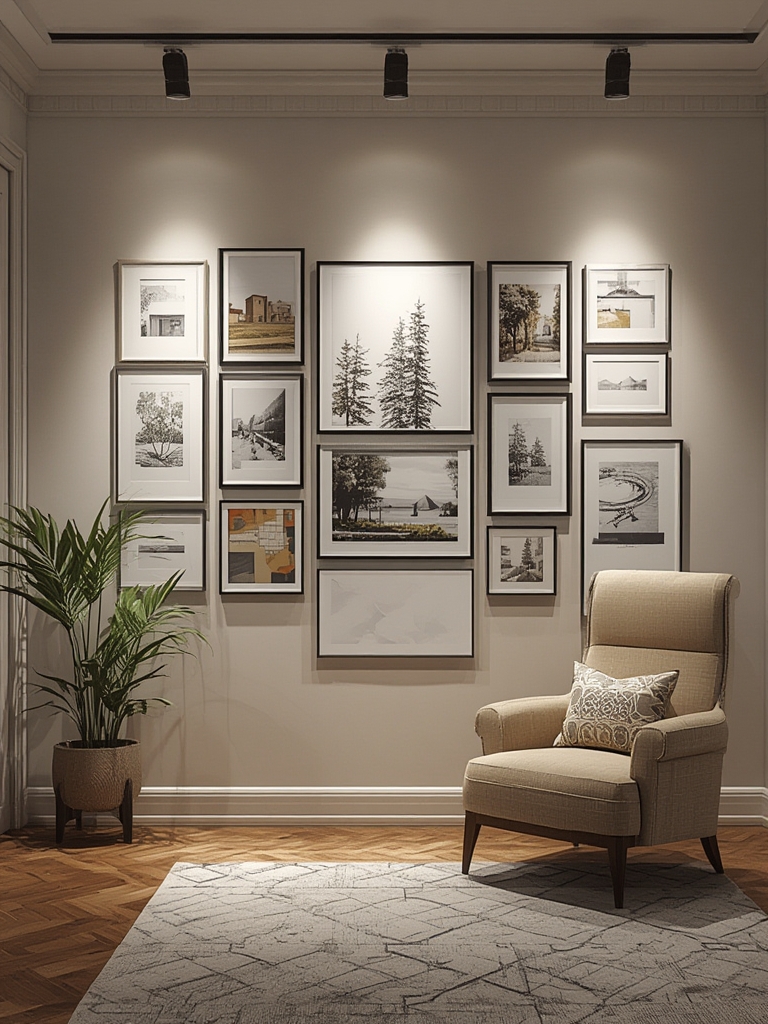
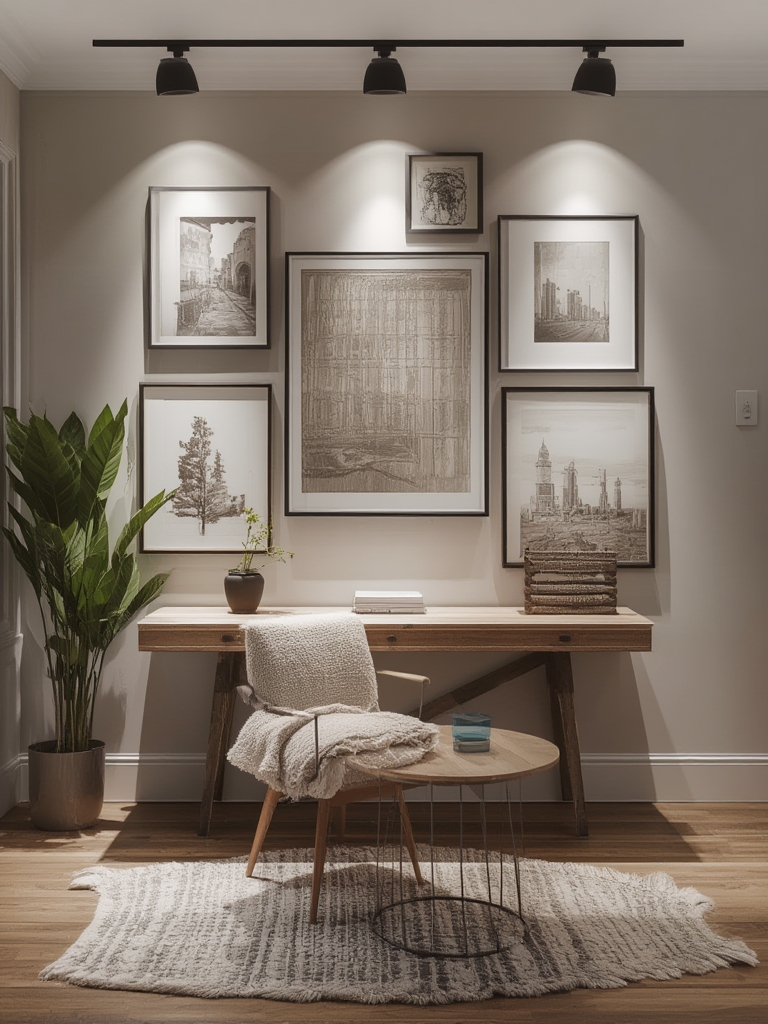
Gallery walls have become a go‑to design trend for homeowners looking to showcase personality, art, and memories in a cohesive, eye‑catching display. According to a 2023 Houzz survey, 42 % of respondents said they plan to add a gallery wall to a primary living space within the next year, and 68 % of those cited “visual impact” as the main driver. When paired with strategic spotlights, a gallery wall can transform a plain hallway or living‑room corner into a curated gallery‑like experience. Below is a data‑driven, step‑by‑step guide to planning, installing, and lighting your gallery wall for maximum aesthetic and SEO impact on your WordPress site.
1. Research & Conceptualize: Let Data Shape Your Theme
Analyze Trends and Audience Preferences
- Use Google Trends to compare keywords like “gallery wall ideas,” “modern gallery wall,” and “boho gallery wall.” Peaks in search volume often align with seasonal décor pushes (e.g., spring refresh in March‑April).
- Check Instagram’s top‑performing hashtags (#gallerywall, #wallart, #homedecor) for visual inspiration and to gauge color palettes that resonate with your target demographic.
- On your own WordPress analytics, identify which décor‑related posts have the highest dwell time. Replicate the style elements (e.g., monochrome frames, mixed media) that keep readers engaged.
Action tip: Create a mood board in Pinterest or a simple Google Slides deck. Include at least three distinct styles (e.g., minimalist black‑frame, eclectic mixed‑media, vintage botanical) and note the corresponding keyword difficulty scores from Ahrefs or SEMrush.
2. Curate the Artwork & Objects: Quality Over Quantity
Choose Pieces That Align With SEO Keywords
When selecting prints, photographs, or three‑dimensional objects, think about the terms people search for. For example, a “black‑and‑white cityscape” can attract traffic for “black and white wall art.” Aim for a mix of:
- 30 % high‑resolution prints (easily searchable via image SEO).
- 40 % personal photos (add alt text like “family beach vacation 2022”).
- 30 % unique items (vintage mirrors, woven wall hangings) that boost visual diversity.
Action tip: Before purchasing, scan each piece’s dimensions and note the exact size. This data will simplify layout calculations and reduce wasted wall space.
3. Plan the Layout: Use Data‑Driven Grid Systems
Calculate Spacing and Alignment
Most successful gallery walls follow a 2‑inch (5 cm) spacing rule, but you can adjust based on wall size. Follow these steps:
- Measure the wall: Record width and height in inches. Example: 120 in × 80 in.
- Determine total frame area: Add up the width of all frames plus 2 in spacing between each. For a 5‑piece wall (three 12 in × 12 in squares and two 16 in × 20 in rectangles), total width ≈ 12 + 12 + 12 + 16 + 16 + (4 × 2) = 84 in.
- Center the layout: Subtract total width from wall width (120 – 84 = 36 in) and split the remainder on each side (18 in margin).
- Use a template: Print a paper template of each frame at 1:12 scale, tape them to the wall, and step back to ensure visual balance.
Action tip: Capture a top‑down photo of the taped layout and upload it to your WordPress media library. Use it in a “how‑to” post to increase dwell time and improve on‑page SEO.
4. Install Spotlights: Lighting That Highlights & Ranks
Select Fixtures Based on Lumen Output and Color Temperature
Data from the Illuminating Engineering Society shows that 300–500 lumens per square foot provides optimal gallery lighting without glare. For a 120 in × 80 in wall, aim for 3,600–4,000 lumens total.
- LED track lighting: Offers adjustable heads and low heat output. Choose a color temperature of 3000 K (warm white) for a cozy feel or 4000 K (neutral) for a modern look.
- Recessed spotlights: Ideal for high ceilings; position them 12–18 in above the artwork to create a soft wash.
- Smart dimmers: Integrate with Alexa or Google Home to adjust brightness based on time of day, enhancing both ambience and energy efficiency.
Action tip: Install a dimmer switch and set a default 70 % brightness for daytime and 40 % for evenings. Document the settings in a short video and embed it on your blog post to increase engagement.
5. Optimize for SEO: Turn Your Gallery Wall Into Traffic
On‑Page Elements That Boost Visibility
- Keyword‑rich headings: Use H2 tags like “How to Light a Gallery Wall” and H3 tags such as “Choosing the Right LED Spotlights.”
- Alt text for each image: Describe the artwork and include primary keywords (e.g., “black and white cityscape gallery wall lighting guide”).
- Schema markup: Add
ImageObjectandHowToschema to help search engines understand the tutorial steps. - Internal linking: Reference related posts (e.g., “Top 10 Frame Styles for Modern Homes”) using keyword‑rich anchor text.
- Load speed: Compress images to under 150 KB each using WebP format; a faster page improves rankings and user experience.
Action tip: After publishing, run a Yoast SEO audit and aim for a green readability score. Adjust sentence length and transition words as needed.
6. Maintenance & Longevity: Keep the Wall Fresh
Simple Routine Checks
- Dust quarterly: Use a microfiber cloth to gently wipe frames and spotlights. This prevents dust buildup that can dull colors.
- Inspect wiring annually: Ensure LED fixtures are securely connected and replace any flickering bulbs.
- Rotate artwork seasonally: Swap 1–2 pieces every 3–4 months to keep the display dynamic and encourage repeat visitors to your blog.
Action tip: Create a printable checklist (PDF) and offer it as a lead magnet on your WordPress site to capture email subscribers.
Conclusion: From Concept to Click‑Through
By grounding your gallery wall project in data—keyword trends, lumen calculations, and layout geometry—you not only craft a stunning visual focal point but also create a high‑performing piece of content for your WordPress blog. Follow the steps above, document each phase with high‑quality images and videos, and leverage SEO best practices to turn a simple décor upgrade into a traffic‑generating asset.