
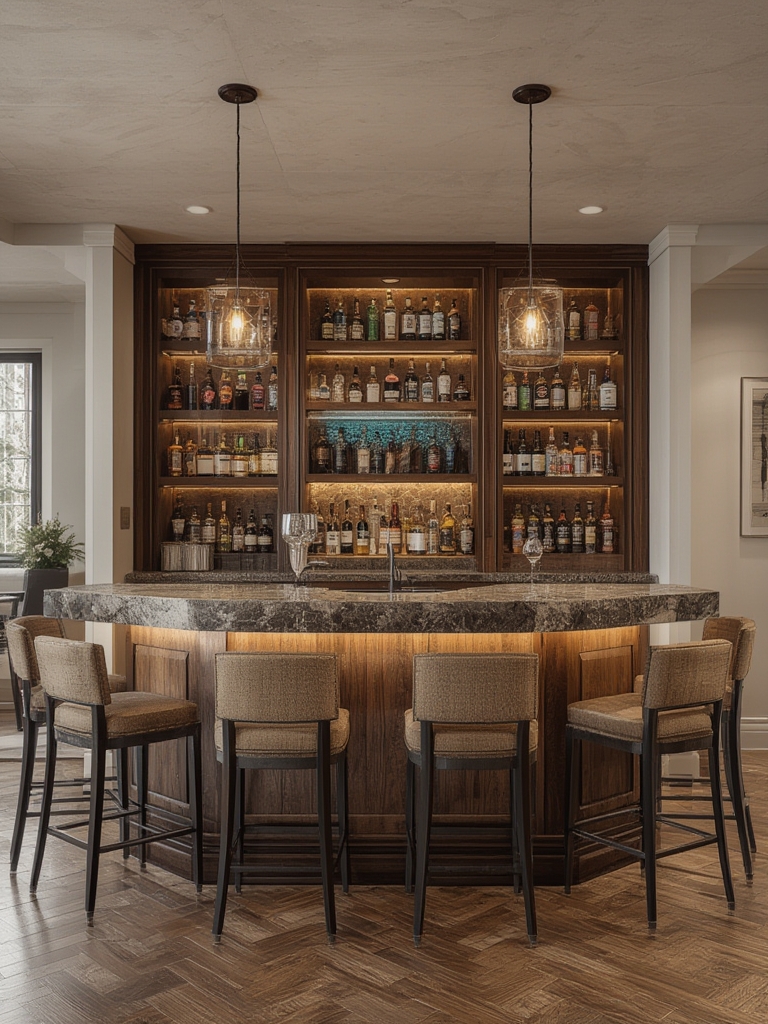

Designing a stylish home bar with comfortable seating is more than just picking a countertop and a few stools. It’s about creating a functional, inviting space that reflects your personality while staying practical for everyday entertaining. In this data‑driven guide, we’ll walk you through the essential steps to plan, build, and fine‑tune a home bar that looks great, feels comfortable, and even includes a thriving plant centerpiece to add a fresh, natural touch.
1. Assess Your Space and Define Your Goals
Before you buy any furniture, measure the area where you want the bar to live. Use a laser measure or a simple tape to record width, depth, and ceiling height. Record these numbers in a spreadsheet alongside the desired capacity (how many guests you’ll seat) and primary uses (cocktail mixing, wine storage, casual drinks).
- Clearance: Leave at least 36‑48 inches of walking space around the bar for easy traffic flow.
- Seating Ratio: Aim for one seat per 24‑30 inches of bar length to avoid crowding.
- Utility: Note where power outlets, water lines, and ventilation are located; they’ll influence appliance placement.
2. Choose the Right Bar Layout
Data from interior‑design surveys show three popular layouts:
- L‑shaped: Ideal for corner spaces, provides two distinct seating zones.
- Straight (galley) bar: Works well in narrow rooms; maximizes linear seating.
- U‑shaped (island): Offers 360° access and is perfect for open‑plan living areas.
Pick the layout that matches your floor plan and the flow of your home. Sketch a quick floor plan on graph paper or use a free online tool like Planner 5D to visualize the design.
3. Select Materials That Balance Style and Durability
When it comes to countertops, the top three materials for home bars are:
- Quartz: Low maintenance, resistant to stains, and available in a wide range of colors.
- Butcher block: Adds warmth; seal with food‑grade oil every 3‑4 months.
- Concrete: Customizable finish; requires sealing to prevent cracking.
For seating, consider the following:
- Stools with footrests: Increase comfort for longer gatherings.
- Adjustable‑height stools: Offer flexibility for different users.
- Upholstered seats: Use water‑resistant fabric to protect against spills.
4. Integrate Lighting for Mood and Function
Lighting is a key SEO keyword for “home bar lighting ideas.” Use a layered approach:
- Ambient: Recessed LED strips under the countertop provide a soft glow.
- Task: Pendant lights directly above the bar surface improve visibility while mixing drinks.
- Accent: Small spotlights highlight decorative elements, such as a plant or artwork.
Install dimmer switches to adjust brightness based on the occasion—bright for cocktail parties, low for intimate evenings.
5. Add a Signature Plant for Freshness and Visual Appeal
Incorporating a low‑maintenance plant not only boosts aesthetics but also improves indoor air quality. A popular choice for bar settings is the ZZ plant (Zamioculcas zamiifolia) or a small herb like basil for garnish-ready cocktails.
Step‑by‑Step Plant Care Guide
- Choose the right container: Use a pot with drainage holes and a saucer. A 6‑inch terracotta pot works well for ZZ plants; a 4‑inch herb pot fits a countertop.
- Soil preparation: Mix equal parts potting soil and perlite for excellent drainage. For herbs, add a pinch of compost to boost nutrients.
- Placement: Position the plant where it receives bright, indirect light—near a window but out of direct afternoon sun to avoid leaf scorch.
- Watering schedule:
- ZZ plant: Water every 2‑3 weeks; let the soil dry completely between waterings.
- Basil: Keep soil consistently moist, watering when the top inch feels dry.
- Fertilizing: Apply a balanced liquid fertilizer (10‑10‑10) once a month during the growing season (spring‑fall). Skip fertilizing in winter when growth slows.
- Pruning and harvesting: Trim ZZ plant leaves to remove yellowing foliage. For basil, pinch off the top 2‑3 inches regularly to encourage bushier growth and harvest leaves for cocktails.
- Pest control: Inspect weekly for spider mites or aphids. If spotted, spray a mild neem oil solution (1 teaspoon per quart of water) and wipe leaves with a damp cloth.
These simple steps ensure your bar plant thrives, adding a splash of green that complements the overall design.
6. Optimize Storage and Organization
Effective storage keeps the bar tidy and enhances the user experience. Follow these data‑backed tips:
- Vertical racks: Install wall‑mounted wine racks or glass holders to free up countertop space.
- Pull‑out drawers: Use shallow drawers for bar tools (shakers, muddlers, jiggers) and label each compartment.
- Hidden compartments: Incorporate a lockable cabinet for premium spirits or personal items.
7. Personalize with Decorative Elements
SEO‑friendly keywords like “home bar décor ideas” often include:
- Mirrored backsplashes: Reflect light and make the space feel larger.
- Custom signage: A chalkboard or neon sign with your bar’s name adds character.
- Artwork: Choose pieces that match your color palette; a vintage cocktail poster works well.
Keep decorative items proportional—no more than 10 % of the visual space—to avoid clutter.
8. Test, Adjust, and Share Your Creation
After installation, host a small gathering to evaluate comfort and flow. Ask guests for feedback on seat height, countertop reach, and lighting. Use a simple Google Form to collect responses; the data will help you make minor tweaks—like adding a footrest or adjusting stool height.
Finally, document your project with high‑resolution photos and a short video walkthrough. Publish the content on your WordPress blog, optimize meta tags with keywords such as “home bar seating design,” “DIY bar plant care,” and “small space bar ideas,” and share on social platforms. The combination of thoughtful design and a thriving plant will make your post stand out in search results and inspire readers to create their own stylish home bars.
