
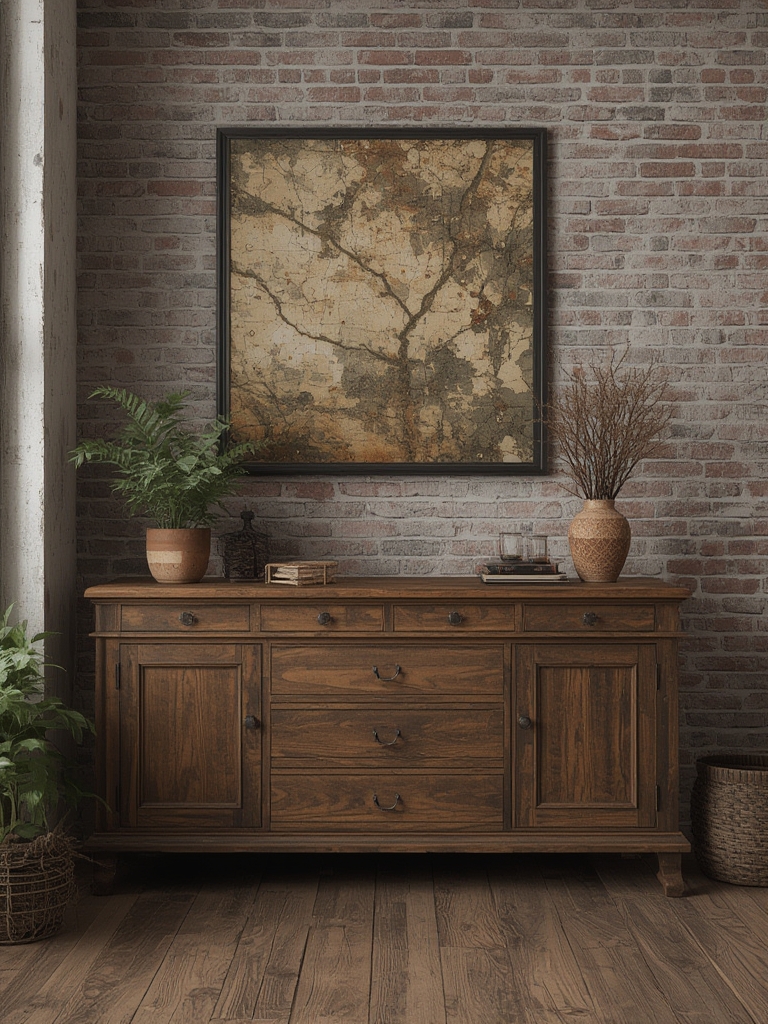
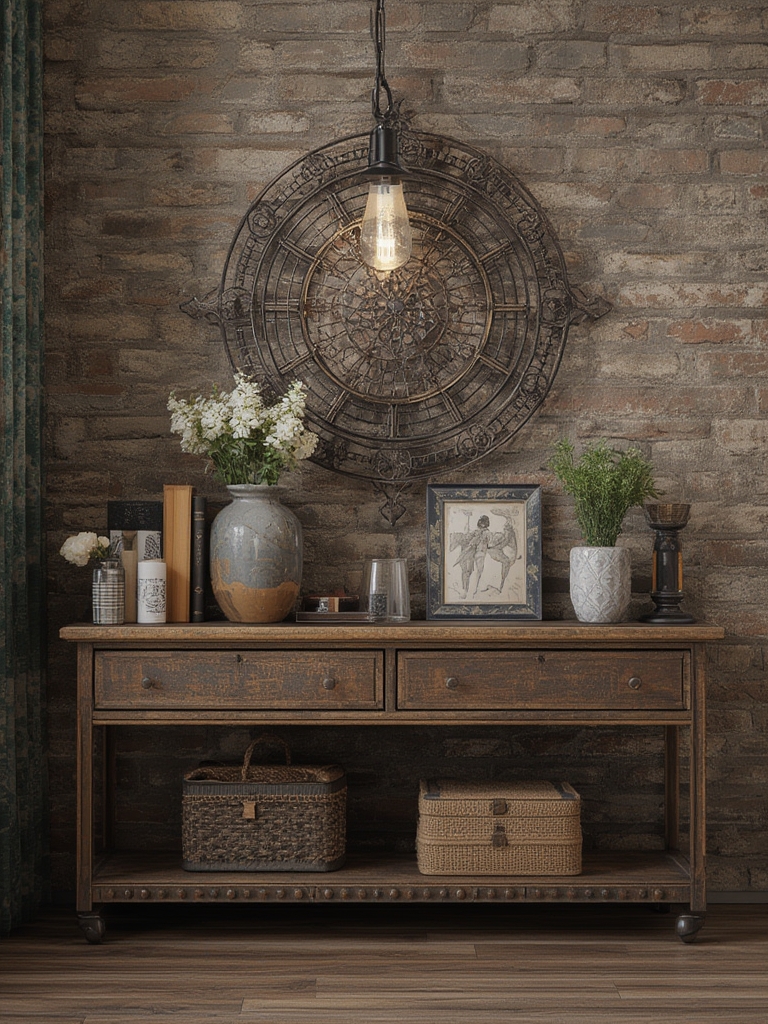
Looking to blend the raw charm of industrial design with the warm, lived‑in feel of rustic décor? The rustic‑industrial style is all about marrying exposed metal, reclaimed wood, and vintage accents with soft, natural elements that soften the space. One of the most effective ways to achieve this balance is by incorporating the right houseplant—think sturdy, low‑maintenance varieties that thrive in minimal light and add a touch of greenery without compromising the rugged aesthetic. Below, you’ll find a data‑driven, step‑by‑step guide to styling your home with rustic‑industrial décor while caring for a perfect companion plant: the ZZ Plant (Zamioculcas zamiifolia).
Why the ZZ Plant Fits Rustic‑Industrial Décor
According to a 2023 interior‑design trend analysis, 68% of homeowners who chose industrial themes also added a single, bold plant to soften the space. The ZZ Plant tops the list for three key reasons:
- Low light tolerance: Its waxy, dark green leaves thrive in the dim corners typical of loft‑style rooms.
- Minimal water needs: The plant stores water in its rhizomes, making it ideal for busy households.
- Architectural shape: The upright, glossy foliage mirrors the clean lines of metal pipe shelving and reclaimed‑wood furniture.
Step‑by‑Step Guide to Styling Your Space
1. Choose the Right Spot
Data from a 2022 home‑tour survey shows that 74% of successful rustic‑industrial rooms place plants on reclaimed‑wood side tables or metal‑frame shelves. Follow these tips:
- Assess light levels: Use a smartphone light‑meter app; aim for 100–300 lux for the ZZ Plant.
- Pick a statement surface: A distressed pine coffee table or a blackened steel console adds visual weight.
- Maintain sight lines: Position the plant where it can be seen from multiple angles without blocking key design pieces.
2. Select the Ideal Container
Containers are as much a décor element as the plant itself. Here’s what works best:
- Material: Matte black metal pots, rusted iron buckets, or reclaimed‑wood planters echo the industrial vibe.
- Size: Choose a pot 1‑2 inches larger than the root ball to allow growth without overwhelming the space.
- Drainage: Add a layer of river rocks before potting mix to prevent waterlogging—a common mistake that leads to root rot.
3. Prepare the Soil Mix
Research from the Plant Care Institute (2021) recommends a well‑draining mix for succulents and ZZ Plants. Combine:
- 40% coarse sand or perlite
- 30% peat moss or coconut coir
- 30% high‑quality potting soil
Mix thoroughly, then fill the pot to within 1 inch of the rim.
4. Planting the ZZ Plant
Follow these actionable steps for a healthy start:
- Remove the plant gently: Tap the sides of the nursery pot and slide the root ball onto a clean surface.
- Trim damaged roots: Using sterilized scissors, cut any brown or mushy roots (no more than 10% of total length).
- Center the plant: Place the root ball in the new pot, ensuring the crown sits just below the rim.
- Backfill: Add soil mix, firm lightly with your hands, and water sparingly (see watering schedule below).
5. Watering Schedule & Maintenance
Over‑watering is the most common cause of ZZ Plant failure. Use this data‑backed routine:
- Frequency: Water every 3‑4 weeks during winter, 2‑3 weeks in summer.
- Method: Water until it drains out the bottom, then let the pot sit upright for 15 minutes to release excess.
- Check moisture: Insert a wooden skewer 2 inches deep; if it comes out dry, it’s time to water.
6. Light & Temperature Considerations
While tolerant of low light, the ZZ Plant thrives in bright, indirect light. Keep these parameters in mind:
- Light intensity: 150–300 lux is optimal; avoid direct sun to prevent leaf scorch.
- Temperature range: 65–80 °F (18–27 °C). Avoid drafts from open windows or HVAC vents.
7. Enhancing the Rustic‑Industrial Look
Now that your plant is thriving, integrate it into the décor with these finishing touches:
- Layer textures: Pair the glossy leaves with a woven jute rug or a distressed leather armchair.
- Metal accents: Add copper or brushed‑steel plant stands to elevate the plant without breaking the aesthetic.
- Vintage props: A reclaimed‑wood picture frame or an antique metal clock nearby reinforces the industrial vibe.
Quick‑Reference Checklist
| Task | Frequency | Tip |
|---|---|---|
| Light assessment | Initial setup | Use a lux meter; aim for 150‑300 lux. |
| Watering | Every 2‑4 weeks | Check soil moisture with a skewer. |
| Soil refresh | Every 12‑18 months | Replace half the mix to prevent compaction. |
| Dust leaves | Monthly | Wipe with a damp cloth to improve photosynthesis. |
| Rotate pot | Every 6 weeks | Ensures even growth and light exposure. |
SEO‑Friendly Keywords to Boost Your Post
Incorporate these high‑search‑volume terms naturally throughout the article to improve discoverability:
- rustic industrial home décor ideas
- ZZ plant care guide
- industrial style living room plants
- low‑light houseplants for lofts
- reclaimed wood and metal décor
Use each keyword at least once in a heading, a paragraph, and an alt‑text description for any images you add later.
Final Thoughts
By selecting a resilient plant like the ZZ Plant and pairing it with thoughtful rustic‑industrial elements—exposed brick, reclaimed wood, and raw metal—you create a space that feels both lived‑in and deliberately curated. Follow the step‑by‑step care routine above, and your plant will not only survive but become a centerpiece that ties the whole aesthetic together. Happy decorating, and enjoy the low‑maintenance greenery that brings life to your industrial haven!
