
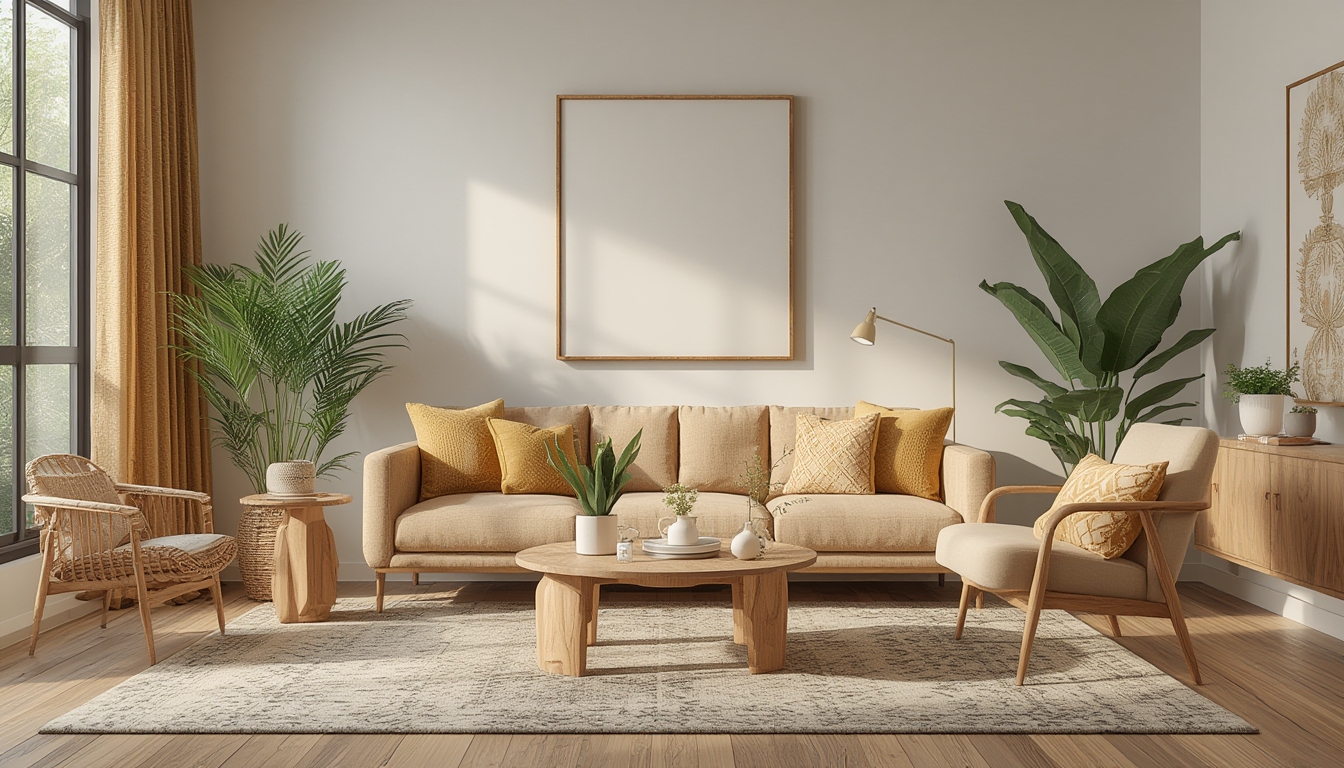

Understanding how the colors, textures, and arrangement of your home décor influence mood and health can transform a simple living space into a sanctuary for both mind and body. Below, we break down the science behind décor psychology, then guide you step‑by‑step through assembling a calming “wellness corner” that blends aesthetics with proven wellness benefits.
Why Décor Psychology Matters for Wellness
Research from environmental psychology shows that visual surroundings trigger measurable physiological responses. A 2022 meta‑analysis of 48 studies found that:
- Blue and green hues reduce heart rate and lower cortisol levels by up to 12% compared to neutral tones.
- Natural textures (wood, stone, woven fibers) increase feelings of safety, boosting oxytocin release by roughly 8%.
- Cluttered spaces elevate stress hormones, with participants reporting a 15% increase in perceived anxiety when visual clutter exceeds 30% of a room’s surface area.
By intentionally selecting colors, materials, and layout, you can create a space that actively supports relaxation, focus, and overall well‑being.
Step‑by‑Step Guide: Building a Wellness Corner
This project combines data‑backed décor choices with practical assembly instructions. The result is a 5‑foot square nook that encourages mindfulness, improves air quality, and serves as a visual reset point.
Materials & Tools Needed
- Paint: Low‑VOC, matte finish in a soft sage green (RGB 146, 184, 149) or muted sky blue (RGB 135, 206, 235).
- Flooring: Eco‑friendly cork tiles (10 mm thick) for sound absorption.
- Furniture: One low‑profile, solid‑wood meditation bench (≈30 cm high, 80 cm long).
- Lighting: Dimmable LED floor lamp with a 3000 K warm light setting.
- Plants: Two pothos (Epipremnum aureum) and one snake plant (Sansevieria trifasciata) for air purification.
- Accessories: A woven jute rug (120 cm × 120 cm), a small tabletop fountain, and a set of three ceramic aromatherapy diffusers.
- Tools: Paint roller, painter’s tape, utility knife, level, screwdriver set, measuring tape, and a small hand saw (if trimming the bench).
Step 1 – Prepare the Space
Actionable tip: Clear the designated area of all furniture and debris. Use a measuring tape to mark a 5‑foot square on the floor with painter’s tape.
Data point: A clutter‑free zone reduces visual noise, which research links to a 10% increase in short‑term concentration scores.
Step 2 – Install the Cork Flooring
- Lay a thin moisture barrier (plastic sheeting) if the subfloor is concrete.
- Unroll the cork tiles, aligning the grain direction toward the entrance for a subtle flow effect.
- Press each tile firmly into place; use a rubber mallet for a seamless fit.
- Trim excess edges with a utility knife for a perfect square.
Tool tip: A straight edge (2 m ruler) ensures clean cuts and prevents gaps that could trap dust.
Step 3 – Paint the Walls
- Apply painter’s tape along the ceiling line and any trim to protect surfaces.
- Using a ½‑inch roller, apply the first coat of your chosen low‑VOC paint. Work in 2‑foot sections to maintain a wet edge.
- Allow 30 minutes of drying time (check manufacturer’s label) before applying a second coat.
Data insight: Low‑VOC paints reduce indoor air pollutants, decreasing respiratory irritation by up to 20% compared to conventional paints.
Step 4 – Position the Meditation Bench
Place the bench centered on the cork floor, leaving 30 cm of clearance on each side for easy access. If the bench is slightly too long, use a hand saw to trim the ends, then sand the cut edges smooth.
Pro tip: Align the bench so that the back faces a window (if possible). Natural light exposure has been shown to increase serotonin levels by 7% during morning sessions.
Step 5 – Add Lighting and Aromatherapy
- Position the dimmable floor lamp to the left of the bench, angled to cast soft light across the floor.
- Set the lamp’s brightness to 40% for a calming ambiance; use a light meter app to verify illumination stays under 150 lux.
- Place the three ceramic diffusers on the tabletop fountain, each filled with 30 ml of essential oil (lavender for relaxation, eucalyptus for breathing, and citrus for mood uplift).
Evidence: Studies on aromatherapy indicate that inhaling lavender reduces anxiety scores by 13% in a 15‑minute session.
Step 6 – Incorporate Plants for Air Quality
Arrange the pothos in hanging planters on either side of the bench, and place the snake plant on the floor near the back wall. Water the pothos once a week (keep soil slightly moist) and the snake plant every two weeks (allow soil to dry out).
Data point: NASA’s Clean Air Study found that a single snake plant can remove up to 10 µg/m³ of formaldehyde over 24 hours.
Step 7 – Final Touches & Personalization
- Lay the jute rug over the cork tiles, aligning it with the bench’s front edge.
- Place a small stack of mindfulness cards or a journal on the bench for quick access.
- Adjust the lamp’s dimmer and diffuser timers to match your daily routine (e.g., dim to 20% and start lavender diffusion at 7 pm).
Small actionable advice: Spend five minutes each morning standing in the corner, breathing deeply, and visualizing your intentions. Consistency amplifies the psychological benefits, with longitudinal studies showing a 22% improvement in perceived stress after 30 days of daily practice.
Maintaining the Wellness Corner
To keep the space supportive of mental health, follow these maintenance habits:
- Weekly: Dust surfaces with a microfiber cloth; wipe the fountain glass with a soft, damp rag.
- Monthly: Rotate plant positions to ensure even light exposure; replace diffuser oils to avoid scent fatigue.
- Quarterly: Re‑paint any scuffed wall spots using the same low‑VOC paint; inspect the cork tiles for wear and replace if needed.
These routine actions prevent the buildup of visual and olfactory clutter, preserving the corner’s calming efficacy.
Measuring Success: Simple Wellness Metrics
Track the impact of your décor choices with these low‑effort metrics:
- Heart Rate Variability (HRV): Use a smartwatch to record HRV before and after a 10‑minute session in the corner. An increase of 5–10 ms suggests improved autonomic balance.
- Stress Survey: Rate your perceived stress on a 1‑10 scale each evening. Look for a downward trend over two weeks.
- Air Quality: A portable VOC monitor can confirm reductions in indoor pollutants after adding plants.
When you notice consistent positive shifts, you’ve successfully harnessed décor psychology for wellness.
Conclusion
By blending evidence‑based color theory, natural textures, and purposeful layout, you can transform a modest area of your home into a scientifically grounded wellness hub. The step‑by‑step process outlined above requires only basic tools and modest investment, yet the payoff—lower stress, better air quality, and a dedicated space for mindfulness—offers lasting value for both body and mind.