
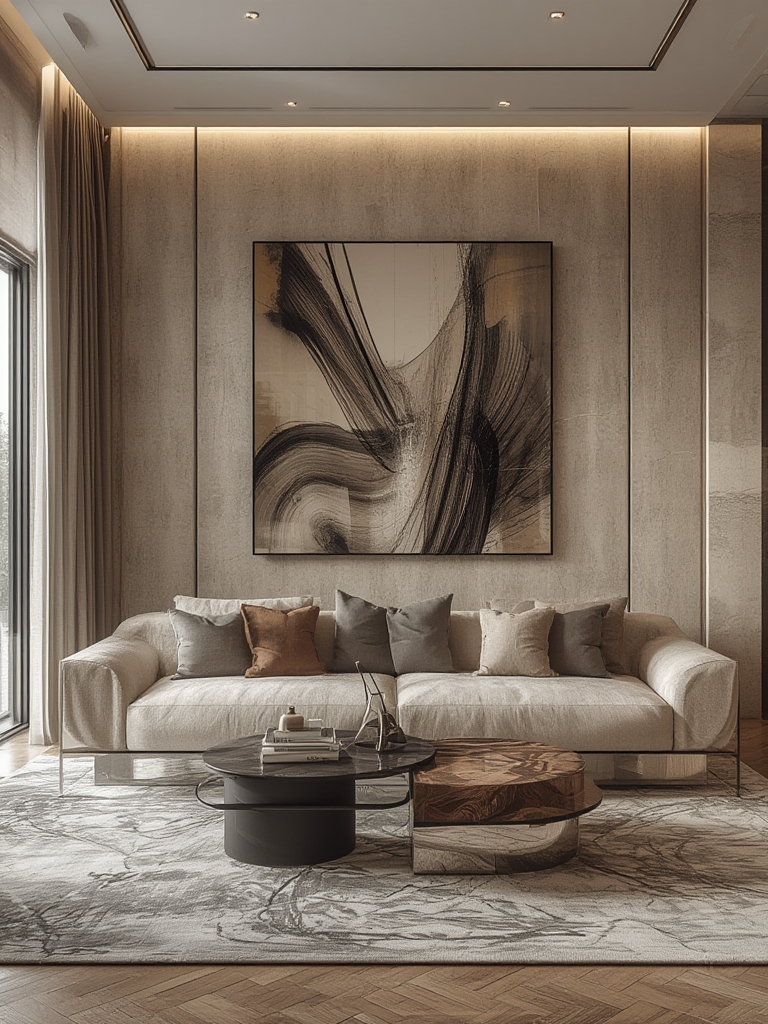
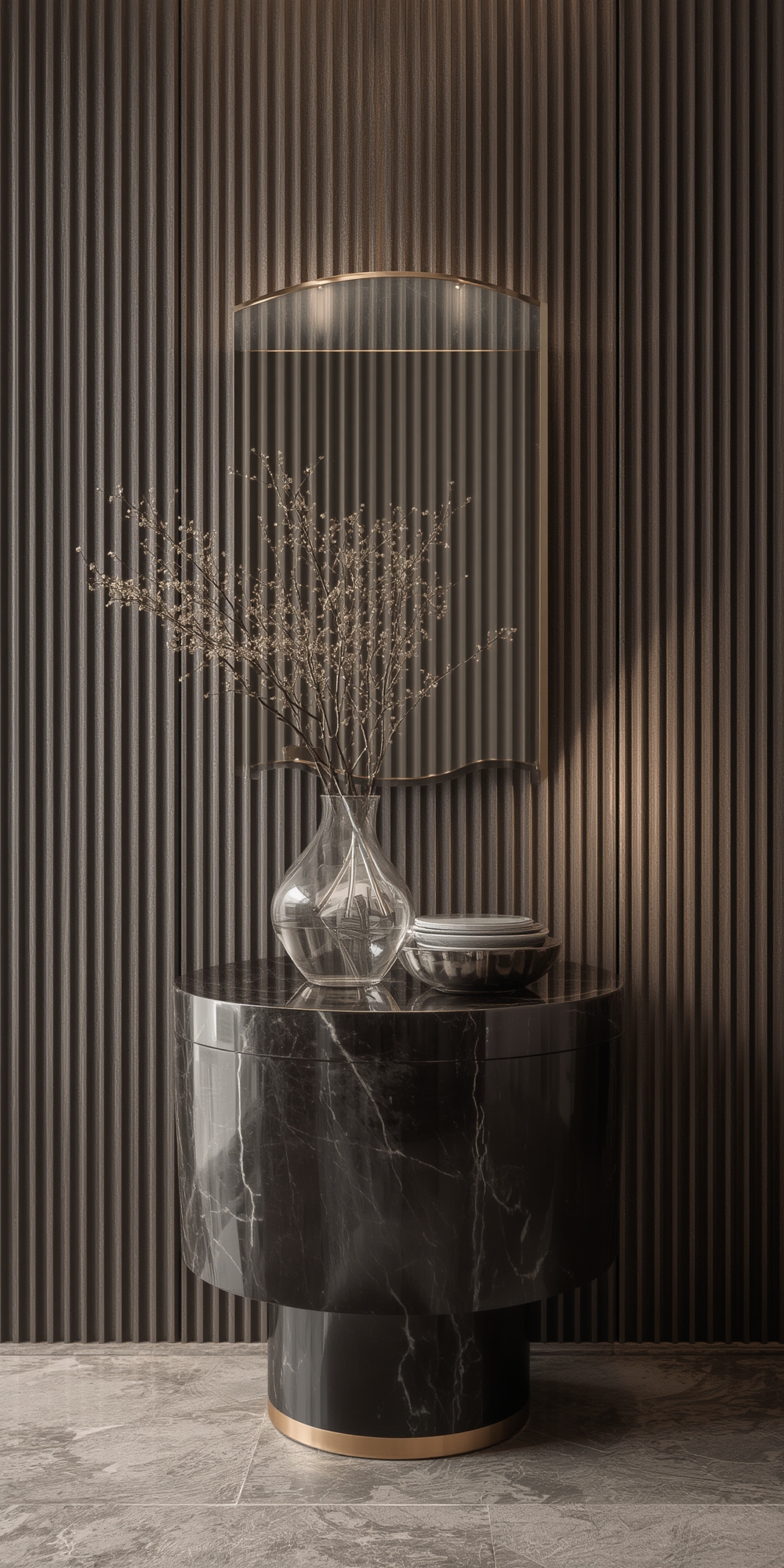
Italian modern design is celebrated for its sleek lines, sensual textures, and effortless elegance that transform any home into a sophisticated sanctuary. By blending minimalist aesthetics with warm, inviting materials, this style creates spaces that feel both contemporary and timeless. In this guide, we’ll explore key principles of Italian modern décor, showcase curated design elements, and even introduce a perfect companion plant— the Monstera deliciosa—to bring a touch of nature’s drama into your interiors. Follow the actionable steps below to achieve a cohesive, high‑impact look that resonates with both visual appeal and functional comfort.
Core Principles of Italian Modern Design
1. Embrace Clean Geometry
Italian modern interiors rely on precise, geometric forms. Opt for furniture with straight edges, low profiles, and subtle curvature. Think of a streamlined sofa in a neutral tone, a glass coffee table with a thin metal frame, and modular shelving that emphasizes order.
- Tip: Measure your space before purchasing. Use a digital floor‑plan tool to visualize how each piece will fit, ensuring a balanced layout without overcrowding.
2. Prioritize Quality Materials
Luxurious yet understated materials define the sensual aspect of Italian design. Choose natural marble countertops, brushed brass fixtures, and high‑gloss lacquered wood. These surfaces reflect light, adding depth without overwhelming the eye.
- Trick: Pair matte finishes with glossy accents— a matte concrete wall paired with a polished chrome chandelier creates a dynamic contrast that feels curated.
3. Use a Refined Color Palette
Neutral bases—soft whites, warm greys, and muted taupes—serve as the canvas. Add richness through accent colors like deep navy, emerald green, or terracotta, applied sparingly via cushions, artwork, or a statement rug.
- Actionable advice: Test paint swatches at different times of day. Italian interiors often shift in tone as natural light moves, so ensure your chosen hues remain harmonious throughout.
4. Integrate Sensual Textures
Layer tactile elements to invite touch. Velvet upholstery, silk drapes, and plush wool throws add depth while maintaining a sleek silhouette. The contrast between smooth surfaces and soft fabrics creates a sensual experience.
- Tip: Limit texture variety to three layers per room to avoid visual clutter— for example, a leather sofa, a linen rug, and a velvet cushion.
Curating Signature Italian Design Pieces
Living Room Essentials
Start with a low‑profile sectional in a muted fabric. Complement it with a marble side table and a sculptural floor lamp in brushed brass. A large abstract painting with subtle gold accents can serve as a focal point.
Bedroom Serenity
Choose a platform bed with a simple wooden frame. Dress it with high‑thread‑count linen sheets in ivory, and add a single, oversized throw pillow in a deep jewel tone. Nightstands in matte black metal with a single drawer keep the look uncluttered.
Kitchen Sophistication
Install handleless cabinetry in a soft matte finish. Pair with a quartz countertop that mimics marble veining. Open shelving made of reclaimed wood adds warmth without breaking the sleek aesthetic.
Introducing the Monstera deliciosa: A Plant Companion for Italian Modern Spaces
The Monstera deliciosa, with its bold, perforated leaves, offers a natural counterpoint to the clean lines of Italian design. Its tropical presence adds a subtle splash of green while maintaining an upscale vibe.
Step‑by‑Step Care Guide
Step 1: Choose the Right Location
Place your Monstera near a bright, indirect light source— a north‑ or east‑facing window works best. Direct sunlight can scorch the leaves, while too little light slows growth.
- Practical tip: Rotate the plant 90° every two weeks to ensure even light exposure on all sides.
Step 2: Water Wisely
Water when the top 2‑3 cm of soil feels dry to the touch. Use room‑temperature water and pour until it drains from the bottom pot.
- Trick: Place a moisture meter in the pot to avoid over‑watering, which can lead to root rot.
Step 3: Provide Adequate Humidity
Monstera thrives in 60‑80 % humidity. In drier climates, mist the leaves weekly or use a pebble tray filled with water.
- Actionable advice: Group the Monstera with other houseplants to naturally raise ambient humidity.
Step 4: Fertilize During Growing Season
Apply a balanced, water‑soluble fertilizer (20‑20‑20) once a month from spring through early fall. Reduce feeding in winter when growth slows.
- Tip: Dilute the fertilizer to half the recommended strength to prevent leaf burn.
Step 5: Prune for Shape and Health
Trim any yellowing or damaged leaves at the base using clean scissors. To control size, cut back a stem just above a node; new growth will emerge from that point.
- Trick: Use a sharp, sterilized pair of pruning shears to make clean cuts and minimize stress.
Step 6: Repot Every 12‑18 Months
When roots fill the pot, move the Monstera to a container 2‑3 inches larger, using a well‑draining mix of peat, perlite, and orchid bark.
- Practical tip: Repot in early spring, allowing the plant to recover during its active growth phase.
SEO‑Friendly Content Strategy for Your Blog Post
Keyword Integration
Target primary keywords such as “Italian modern design,” “sleek home décor,” and “Monstera care.” Sprinkle secondary phrases like “luxury interior tips,” “minimalist Italian style,” and “indoor plant styling” naturally throughout the post.
Meta Description & Alt Text
Craft a compelling meta description (150‑160 characters) that highlights both design inspiration and plant care. Example: “Discover how Italian modern design blends sleek elegance with the bold beauty of Monstera deliciosa—step‑by‑step décor and plant care guide.” Use descriptive alt text for images, e.g., “Marble coffee table with brushed brass lamp in an Italian modern living room.”
Internal & External Linking
Link to related posts on your site, such as “Top 5 Italian Furniture Brands” or “Choosing the Perfect Indoor Plant for Minimalist Spaces.” Include reputable external sources like design magazines or horticulture sites to boost authority.
Readability & Formatting
Break content into short paragraphs, use bullet points for tips, and incorporate H2/H3 headings for easy scanning. This structure improves dwell time and reduces bounce rates—key factors for SEO.
Final Touches: Bringing It All Together
By marrying the refined aesthetics of Italian modern design with the organic allure of the Monstera deliciosa, you create a living space that feels both polished and inviting. Follow the design principles, select high‑quality pieces, and nurture your plant with the step‑by‑step care guide above. The result is a harmonious environment where sleek sophistication and sensual natural elements coexist, delivering a timeless, Instagram‑ready home that resonates with style‑savvy visitors.
