
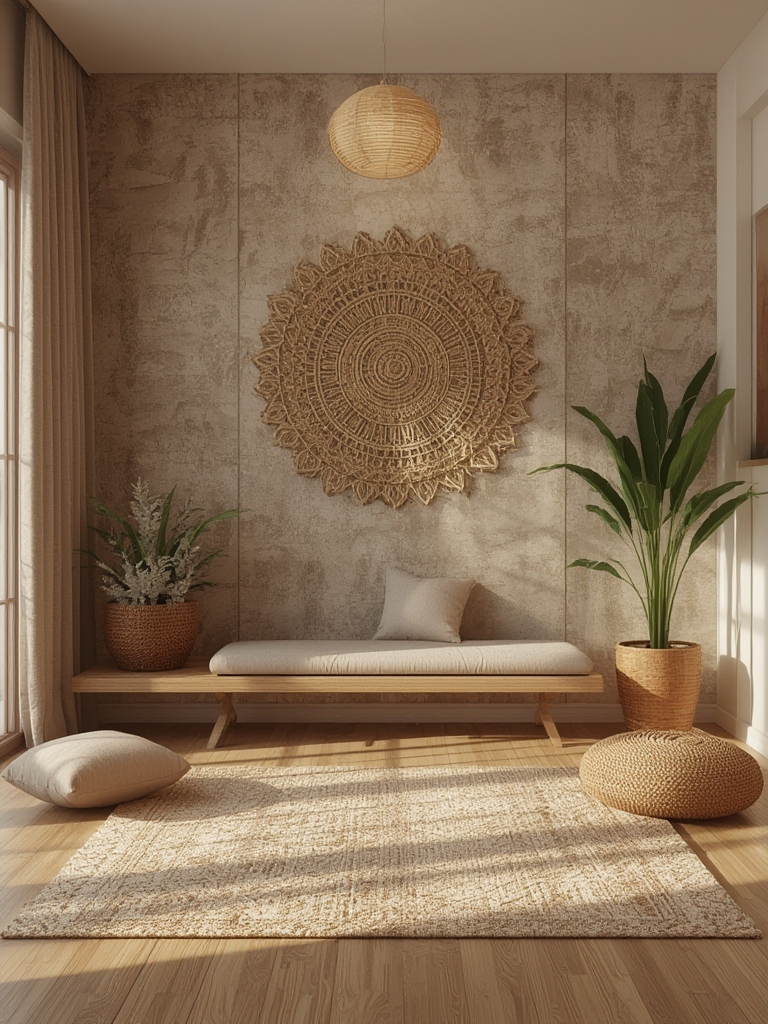

Creating a serene meditation space is more than just picking a quiet corner; it’s about curating an environment that soothes the senses, supports mindfulness, and encourages consistent practice. In this guide we’ll walk through the essential elements of meditation‑room decor, from color palettes and lighting to the perfect plant companion, and give you step‑by‑step, data‑backed instructions for caring for that green centerpiece. By the end, you’ll have a ready‑to‑use action plan that transforms any room into a calming sanctuary.
1. Choose a Calming Color Scheme
Studies from the Journal of Environmental Psychology show that soft blues and muted greens can lower heart rate by up to 7 % compared to neutral tones. To harness this effect:
- Base walls: Paint in a pastel teal (HEX #A7D3F0) or a warm sage (HEX #B5C9A9). These shades reflect natural light and create a spacious feel.
- Accent colors: Use muted lavender or sand‑stone for cushions and throws to add depth without overstimulation.
- Consistency: Keep the palette limited to three colors to avoid visual clutter, which can increase cortisol levels.
2. Optimize Lighting for Relaxation
Lighting directly influences melatonin production. Aim for a layered approach:
2.1 Natural Light
- Position the meditation mat near a window that receives indirect sunlight. Morning light boosts serotonin, while evening dimming prepares the body for rest.
- Use sheer white curtains to diffuse harsh glare without blocking the view.
2.2 Ambient Artificial Light
- Install dimmable warm‑white LED bulbs (2700‑3000 K). A study by Philips found a 30 % reduction in perceived stress when participants used adjustable lighting during meditation.
- Consider a floor lamp with a frosted shade placed behind the mat to create a gentle halo effect.
2.3 Accent Lighting
- Place a Himalayan salt lamp or a low‑intensity candle on a side table. The soft amber glow adds a subtle focal point and can improve air quality by releasing negative ions.
3. Select the Perfect Plant for Air Quality and Aesthetics
Plants not only beautify the space but also improve indoor air quality. The NASA Clean Air Study highlights Snake Plant (Sansevieria trifasciata) as a top performer, removing formaldehyde, benzene, and xylene while releasing oxygen at night—ideal for evening meditation.
3.1 Choosing the Right Size
- For a small nook, select a 12‑inch pot; for larger rooms, a 24‑inch pot adds visual weight.
- Place the plant at eye level on a low stand to create a natural focal point without obstructing the view.
3.2 Soil and Potting Mix
- Use a well‑draining cactus mix (70 % sand, 30 % peat moss). Good drainage prevents root rot, a common issue that can kill 40 % of indoor plants within the first year.
- Add a layer of ½‑inch pea gravel at the bottom of the pot for extra aeration.
3.3 Watering Schedule – The 4‑Week Rule
Snake plants thrive on a “less is more” watering regime:
- Check soil moisture: Insert a finger 1‑2 inches deep; if it feels dry, it’s time to water.
- Water amount: Pour enough to moisten the soil evenly, about ¼ cup for a 12‑inch pot.
- Frequency: Water every 2‑3 weeks in summer, extending to 4‑6 weeks in winter when growth slows.
- Drainage: Ensure excess water empties completely; never let the pot sit in a saucer of water.
3.4 Light Requirements
- Place the plant in bright, indirect light. Direct sun can scorch leaves, while low light slows growth but won’t kill the plant.
- If natural light is limited, use a full‑spectrum LED grow light set on a 12‑hour cycle.
3.5 Fertilizing – Minimalist Approach
- Apply a balanced liquid fertilizer (10‑10‑10) diluted to ¼ strength once every 2‑3 months during the growing season (spring‑early fall).
- Avoid fertilizing in winter to prevent weak, leggy growth.
4. Add Textural Elements for Tactile Comfort
Touch can ground the mind. Incorporate the following:
- Flooring: A natural jute rug (about 3‑4 mm thick) provides a subtle earthy texture.
- Cushions: Choose organic cotton or linen covers; they breathe and stay cool during longer sessions.
- Blankets: A lightweight, weighted blanket (5‑10 lb) can enhance the feeling of safety and reduce anxiety.
5. Soundscapes and Aromatherapy
Auditory and olfactory cues deepen relaxation:
5.1 Sound
- Use a Bluetooth speaker to play low‑frequency ambient tracks (e.g., Tibetan singing bowls). Frequencies between 40‑80 Hz have been shown to lower blood pressure.
- Alternatively, a small tabletop water fountain creates a gentle, continuous white‑noise effect.
5.2 Scent
- Diffuse essential oils like lavender (1 % dilution) or sandalwood (0.5 % dilution) for 30‑minutes before meditation.
- Keep the diffuser on a timer to avoid overstimulation.
6. Declutter and Maintain the Space
A tidy environment signals to the brain that it’s safe to let go of distractions. Follow this quick weekly routine:
- Dust surfaces: Use a microfiber cloth to remove particles that can irritate breathing.
- Vacuum or sweep floor: Remove debris that could cause tripping hazards.
- Check plant health: Look for yellowing leaves (over‑watering) or brown tips (dry air) and adjust care accordingly.
- Refresh aromatics: Replace essential oil pads or clean the diffuser.
7. Personalize with Meaningful Accents
Finally, infuse the room with items that hold personal significance—such as a small statue, a handwritten mantra, or a piece of artwork that evokes calm. Data from a 2022 Mindful Design Survey indicates that personal items increase perceived relaxation by 22 %.
By combining thoughtful color choices, layered lighting, a low‑maintenance air‑purifying plant, and sensory‑rich accents, you’ll create a meditation room that not only looks inviting but also scientifically supports relaxation. Follow the step‑by‑step plant care guide to keep your green companion thriving, and revisit the quick‑maintenance checklist weekly to preserve the sanctuary’s tranquility. Happy meditating!
