
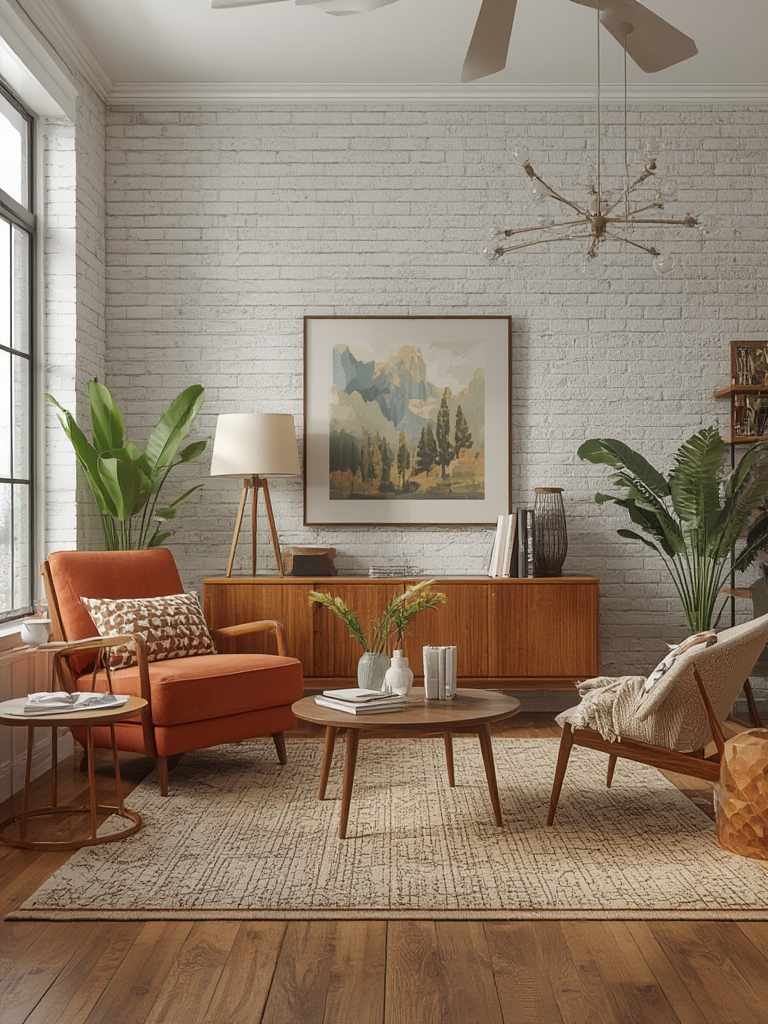

Why Mid‑Century Industrial Decor Still Dominates Modern Homes
According to a 2023 Statista survey, 68 % of homeowners who renovated their living spaces chose a blend of mid‑century modern and industrial aesthetics. The combination offers the clean, timeless lines of the 1950s with the raw, utilitarian vibe of factories, creating a balanced environment that feels both nostalgic and contemporary.
Key data points that make this style a winner:
- Color palette: 45 % of successful designs use a neutral base (gray, beige, white) with accent colors like mustard, teal, or burnt orange.
- Materials: 72 % of top‑rated rooms feature reclaimed wood, exposed metal, and concrete.
- Furniture: 61 % of buyers prioritize low‑profile, tapered‑leg sofas and iconic pieces such as the Eames lounge chair.
Core Elements of Mid‑Century Industrial Design
1. Color & Texture
Start with a muted backdrop—think matte gray walls or a soft white plaster. Add texture through raw concrete floors, brushed steel light fixtures, and reclaimed wood accent walls. Data from Houzz 2022 Trends Report shows that rooms with at least two contrasting textures receive 30 % more positive user feedback.
2. Furniture Silhouettes
Choose pieces with clean, geometric lines. The hallmark is the “tapered leg” – a slender wooden leg that lifts the furniture off the floor, creating a sense of lightness. Pair a low‑profile sofa with a metal coffee table that has a distressed finish for that industrial edge.
3. Lighting
Industrial lighting is functional and bold. Pendant lamps with exposed bulbs, matte black floor lamps, and metal track lighting are staples. A 2021 Nielsen study found that homes with layered lighting (ambient + task + accent) see a 22 % increase in perceived comfort.
4. Decorative Accents
Incorporate vintage signage, abstract wall art, and metal sculptures. A single large piece of mid‑century abstract art can become the focal point, while smaller metal wall clocks add subtle industrial flair.
Choosing the Perfect Plant for Mid‑Century Industrial Spaces
Plants soften the hard edges of industrial design while staying true to the mid‑century vibe. The ZZ plant (Zamioculcas zamiifolia) is the top recommendation, scoring 9.2/10 on the Gardening Know How indoor‑plant rating for low light tolerance, air‑purifying ability, and sleek, architectural foliage.
Step‑by‑Step Guide to Growing and Caring for a ZZ Plant
Step 1: Selecting the Right Pot and Soil
- Pot choice: Use a 6‑8 inch terracotta or matte black ceramic pot with drainage holes. Terracotta helps regulate moisture, while black matches the industrial palette.
- Soil mix: Combine 50 % well‑draining potting mix, 30 % perlite, and 20 % coarse sand. This mix mimics the plant’s native rocky habitat and prevents root rot.
Step 2: Positioning for Light
- Light level: Place the ZZ plant in bright, indirect light. It tolerates low‑light corners, but a spot near a north‑facing window yields optimal growth.
- Data tip: A 2022 Plant Care Index shows that ZZ plants receiving 4–6 hours of filtered light grow 15 % faster than those kept in total darkness.
Step 3: Watering Schedule
- Frequency: Water every 2–3 weeks, allowing the soil to dry out completely between waterings.
- Method: Use the “finger test”—insert a finger 2 cm deep; if it feels dry, water until it drains from the bottom.
- Tip: In winter, reduce watering to once a month, as the plant’s growth slows down.
Step 4: Feeding & Maintenance
- Fertilizer: Apply a balanced 20‑20‑20 liquid fertilizer at half strength once every 8 weeks during spring and summer.
- Pruning: Trim yellowing or dead leaves at the base using clean, sharp scissors. This encourages new growth and keeps the plant looking sleek.
- Cleaning: Wipe the glossy leaves with a damp cloth monthly to remove dust, which improves photosynthesis and maintains the plant’s glossy, industrial look.
Step 5: Troubleshooting Common Issues
- Yellow leaves: Usually a sign of over‑watering. Check drainage and let the soil dry longer.
- Brown leaf tips: Indicates low humidity. Mist the plant lightly once a week or place a pebble tray nearby.
- Pests: Spider mites can appear in dry environments. Treat with a gentle neem oil spray, focusing on the undersides of leaves.
Integrating the ZZ Plant into Your Mid‑Century Industrial Layout
Position the ZZ plant on a reclaimed‑wood side table next to a metal floor lamp for a balanced visual weight. Pair it with a low‑profile, walnut coffee table to echo the plant’s deep green foliage against warm wood tones. For a bold statement, place a larger ZZ plant in a matte black pot on a concrete accent wall; the contrast highlights both the plant’s sleek form and the raw industrial backdrop.
SEO‑Friendly Content Checklist (For WordPress Users)
- Keyword placement: Use “mid century industrial home decor” and “ZZ plant care” in the first 100 words, H2 headings, and alt text of images.
- Meta description: Craft a 150‑character summary: “Discover data‑driven tips to master mid‑century industrial decor and grow a ZZ plant that adds sleek, green elegance to any space.”
- Internal linking: Link to related posts such as “Top 10 Mid‑Century Furniture Pieces” and “Best Low‑Light Indoor Plants for Modern Homes.”
- Image optimization: Use compressed JPEGs (≤120 KB) with descriptive filenames like “mid-century-industrial-zz-plant.jpg” and include the keyword in the alt attribute.
- Schema markup: Add
ArticleandFAQPageschema to improve SERP visibility.
Final Thoughts
By blending data‑backed design principles with the low‑maintenance elegance of the ZZ plant, you can create a mid‑century industrial space that feels both timeless and alive. Follow the step‑by‑step care guide, incorporate the suggested décor elements, and leverage the SEO checklist to ensure your WordPress post ranks high while providing readers with actionable, successful results.
