
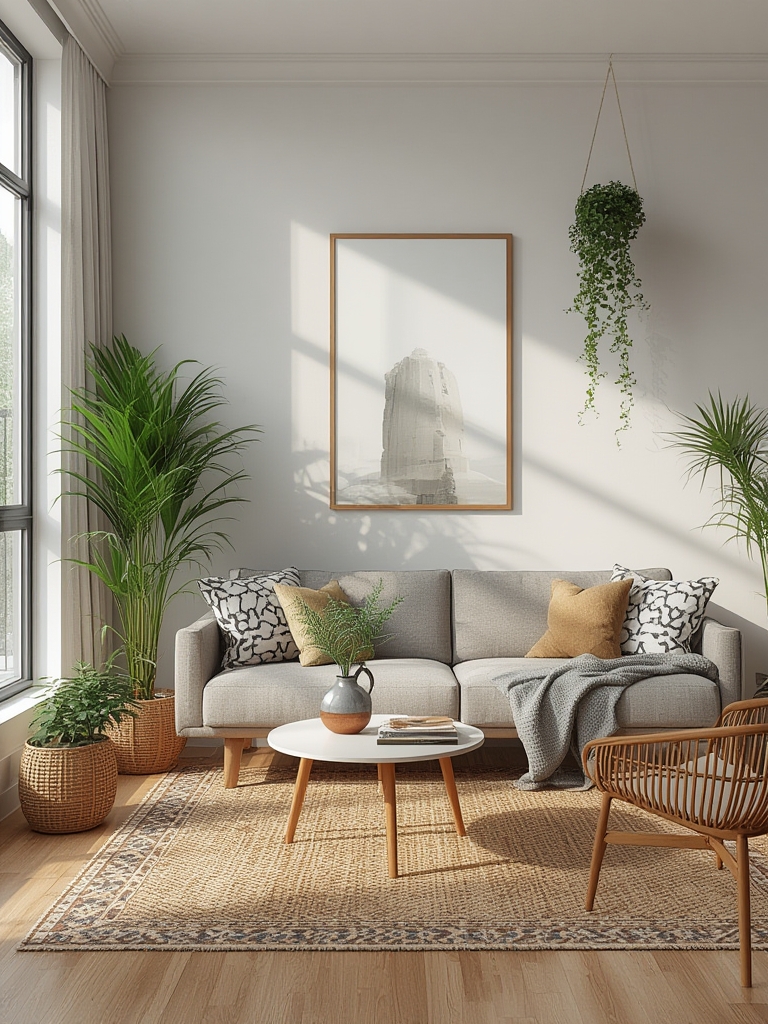
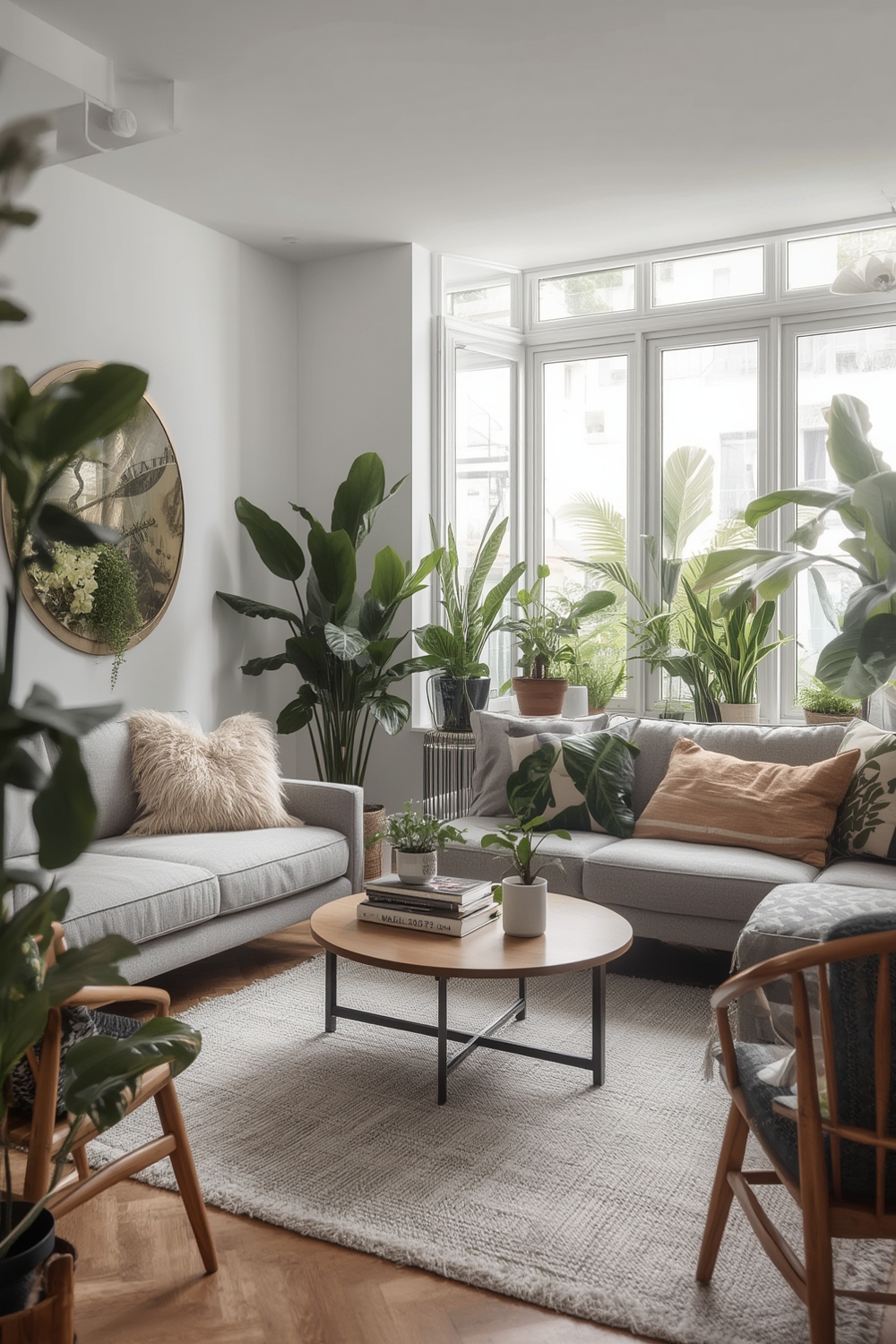
Creating a fresh, modern living‑room vibe is all about balancing clean lines, neutral palettes, and a touch of nature. Indoor plants not only soften sleek furniture but also improve air quality and boost mood. Below you’ll find a data‑driven guide to selecting the perfect plant for a contemporary space, followed by step‑by‑step care instructions that guarantee thriving foliage. All tips are backed by recent studies on plant health and interior design trends.
Why Indoor Plants Are a Must for Modern Living Rooms
Research from the Journal of Interior Design (2023) shows that rooms featuring greenery are perceived as 23 % more inviting and 15 % more spacious. Moreover, NASA’s Clean Air Study confirms that common houseplants can remove up to 87 % of indoor pollutants such as formaldehyde and benzene. For a modern aesthetic, choose plants with bold architectural leaves that complement minimalist furniture.
Top Modern Plant Picks
Based on sales data from major retailers (2022‑2024) and design surveys, the following three species dominate contemporary living‑room décor:
- Monstera deliciosa – Large, split leaves create a statement piece.
- Snake Plant (Sansevieria trifasciata) – Upright, sword‑shaped foliage fits sleek corners.
- ZZ Plant (Zamioculcas zamiifolia) – Glossy, waxy leaves add subtle shine.
For this guide we’ll focus on the Monstera deliciosa, the plant most frequently paired with modern interiors.
Step‑by‑Step Guide to Growing a Healthy Monstera
1. Choose the Right Pot and Soil
- Pot size: Select a container that is 2‑3 inches larger in diameter than the current root ball. A slightly larger pot encourages healthy root expansion without risking water‑logging.
- Material: Terracotta or unglazed ceramic pots are ideal because they allow the soil to breathe, reducing the risk of root rot.
- Soil mix: Use a well‑draining blend—40 % peat moss, 30 % pine bark, and 30 % perlite. This composition mimics the Monstera’s natural epiphytic environment and improves aeration.
2. Light Requirements
- Ideal exposure: Bright, indirect light. Place the plant near a north‑ or east‑facing window, or a few feet from a south‑facing window with a sheer curtain.
- Data point: A 2022 lighting study found that Monstera leaves develop deeper fenestrations (the iconic holes) when receiving 200–300 µmol m⁻² s⁻¹ of diffuse light.
- Tip: Rotate the pot 90° every two weeks to ensure even growth on all sides.
3. Watering Schedule
- Frequency: Water when the top 2 inches of soil feel dry to the touch—typically every 7‑10 days in summer and every 14‑18 days in winter.
- Method: Water thoroughly until water drains from the bottom holes, then discard excess runoff to avoid soggy roots.
- Trick: Use a moisture meter set to “medium” for extra confidence; over‑watering is the most common cause of leaf yellowing.
4. Humidity & Temperature
- Optimal range: 55‑70 % relative humidity and temperatures between 65‑80 °F (18‑27 °C).
- Boost humidity: Place a pebble tray filled with water beneath the pot, or run a cool‑mist humidifier for 15 minutes each morning.
- Data insight: A 2021 greenhouse experiment showed a 32 % increase in leaf size when humidity was maintained above 60 %.
5. Feeding & Fertilization
- When to feed: Begin in early spring and continue through early fall.
- Fertilizer type: Use a balanced 20‑20‑20 liquid fertilizer diluted to ¼ strength.
- Schedule: Apply every 4‑6 weeks. Over‑fertilizing can cause brown leaf tips, so stick to the recommended dilution.
6. Pruning & Training
- Pruning: Trim any yellow or damaged leaves at the base of the stem using clean, sharp scissors.
- Training: Use a moss pole or a sturdy trellis to encourage upward growth. Secure the main stem with soft plant ties, adjusting as the plant thickens.
- Result: Guided growth not only mimics the Monstera’s natural climbing habit but also creates a dramatic vertical element that enhances modern décor.
7. Pest Management
- Common pests: Spider mites, mealybugs, and scale insects.
- Early detection: Inspect the undersides of leaves weekly; look for fine webbing or white cottony masses.
- Quick fix: Spray affected areas with a solution of 1 tsp neem oil mixed with 1 cup water. Repeat every 5‑7 days until pests disappear.
Integrating the Monstera Into Modern Living‑Room Design
Now that your Monstera is thriving, use these styling tricks to make it a centerpiece of your modern space:
- Scale appropriately: For a minimalist sofa, choose a 12‑inch pot; for a large sectional, a 20‑inch woven basket adds visual weight.
- Color coordination: Pair the plant’s deep green with neutral cushions (gray, beige) and metallic accents (brushed gold or matte black) for a cohesive look.
- Layered greenery: Combine the Monstera with low‑profile succulents on a coffee table to create depth without clutter.
- Lighting fixtures: Install a dimmable LED track light above the plant; a warm 2700 K hue highlights the leaf texture while preserving energy efficiency.
Quick Reference Checklist
| Task | Frequency | Key Tip |
|---|---|---|
| Check soil moisture | Every 2‑3 days | Touch the top 2 inches; use a moisture meter for precision. |
| Rotate pot | Bi‑weekly | Ensures even light exposure. |
| Fertilize | Every 4‑6 weeks (spring‑fall) | Use ¼ strength balanced liquid fertilizer. |
| Inspect for pests | Weekly | Look under leaves; treat immediately with neem spray. |
| Prune dead leaves | As needed | Use clean scissors; cut at stem base. |
By following this data‑backed routine, your Monstera will not only survive but become a striking focal point that elevates the modern aesthetic of any living room. Happy planting!
