
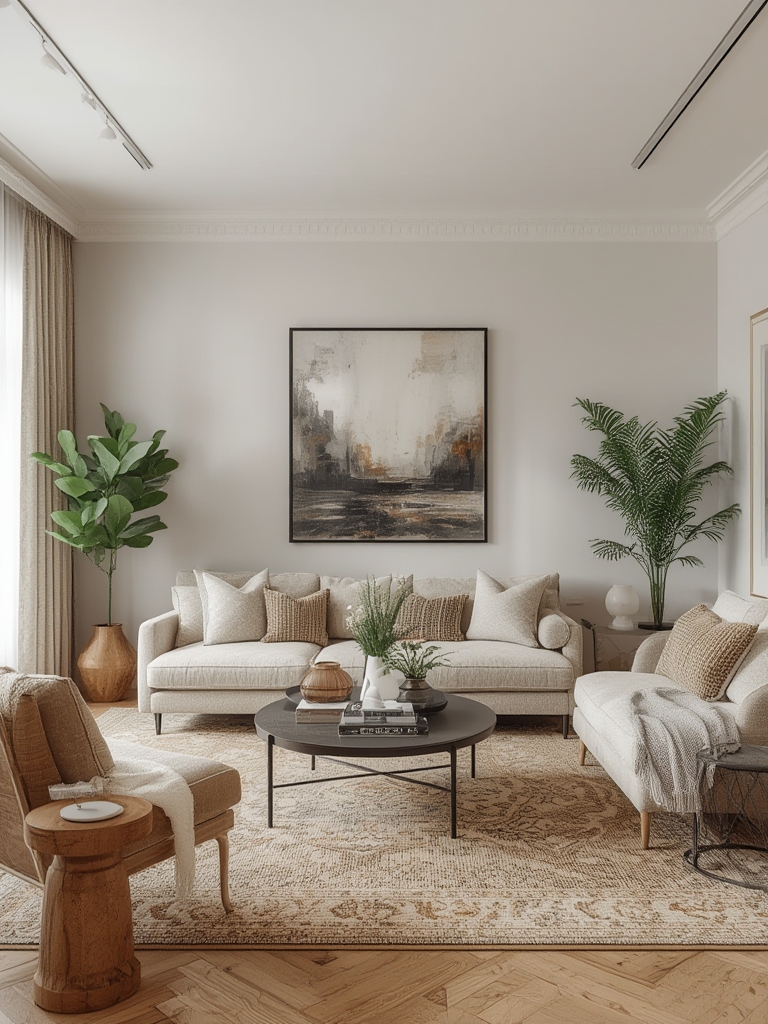
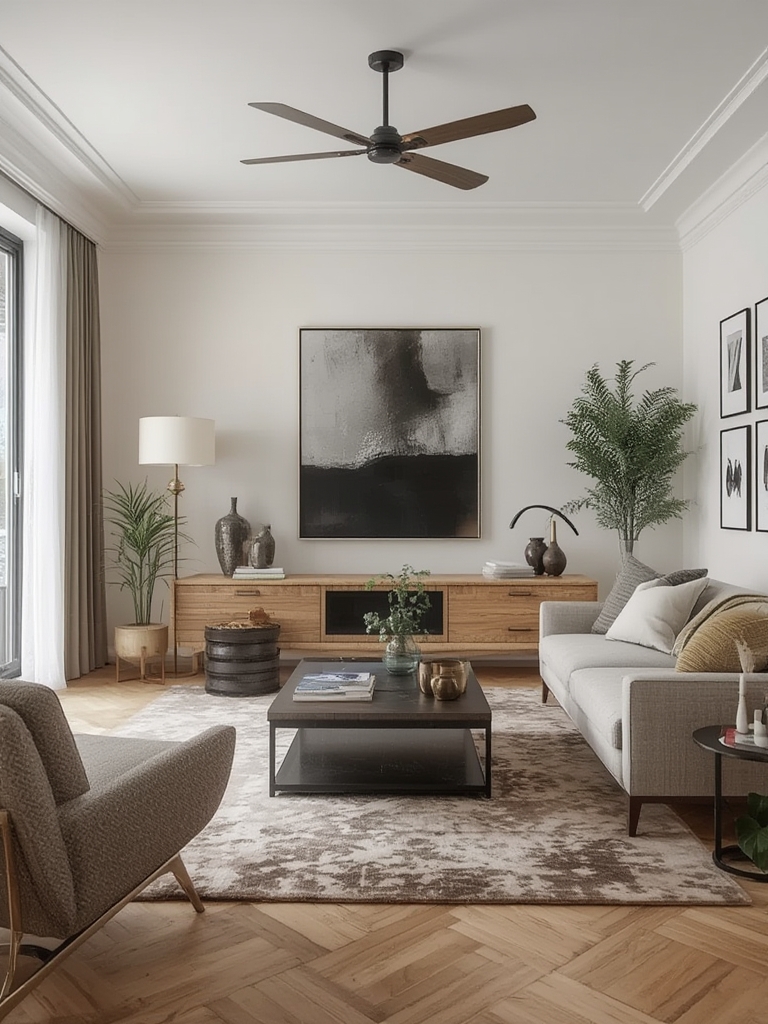
Creating a modern living room that feels both spacious and inviting is a top priority for today’s homeowners. According to a 2023 Houzz survey, 68% of respondents said they prefer uncluttered spaces, while 54% highlighted the importance of incorporating natural elements like indoor plants. This guide combines data‑backed design principles with actionable plant‑care steps to help you achieve a sleek, airy living room that stays fresh and functional.
Why Uncluttered Spaces Work
Minimalism isn’t just a visual trend; it’s a psychological boost. Research from the University of California, Irvine, shows that a clutter‑free environment can increase productivity by up to 15% and reduce stress levels. In a living room, fewer objects mean a clearer focal point, smoother traffic flow, and a canvas for your personal style.
Key Elements of a Modern, Uncluttered Living Room
- Neutral Palette: Light greys, warm beiges, and soft whites create a sense of openness.
- Strategic Furniture Placement: Opt for low‑profile pieces that sit close to the floor to elongate vertical space.
- Hidden Storage: Use built‑in cabinets or ottomans with interior compartments to keep everyday items out of sight.
- Natural Light: Maximize window treatments that let in daylight without sacrificing privacy.
- Green Accents: A well‑cared indoor plant adds texture, color, and air‑purifying benefits.
Selecting the Perfect Plant for a Minimalist Living Room
Choosing a plant that aligns with a clean aesthetic and low‑maintenance care routine is crucial. The Fiddle Leaf Fig (Ficus lyrata) tops the list for modern interiors due to its sculptural leaves and tall, upright growth habit.
Step‑by‑Step Care Guide for the Fiddle Leaf Fig
Step 1: Light Requirements
Action: Place the fig near a bright, east‑ or west‑facing window. It needs at least 6–8 hours of indirect sunlight daily.
- Tip: If the leaves start to turn yellow, the plant is likely getting too much direct sun. Use a sheer curtain to diffuse the light.
- Trick: Rotate the pot 90° every two weeks to ensure even growth on all sides.
Step 2: Watering Schedule
Action: Water when the top 2‑3 inches of soil feel dry to the touch (usually every 7‑10 days).
- Tip: Use a moisture meter for precision; over‑watering can cause root rot.
- Trick: Water thoroughly until you see excess draining from the bottom, then empty the saucer to avoid standing water.
Step 3: Soil & Potting
Action: Use a well‑draining potting mix containing peat, perlite, and pine bark. A pot with drainage holes is essential.
- Tip: Add a thin layer of coarse sand at the bottom of the pot to improve drainage.
- Trick: Repot every 2‑3 years in early spring to refresh the soil and give the roots more room.
Step 4: Humidity & Temperature
Action: Maintain indoor humidity between 40%–60% and keep the temperature between 65°F–75°F (18°C–24°C).
- Tip: Use a tabletop humidifier or place the pot on a pebble tray filled with water.
- Trick: Avoid sudden temperature drops; keep the plant away from drafts and heating vents.
Step 5: Pruning & Shaping
Action: Prune in late winter to remove dead or damaged leaves and to control the height.
- Tip: Cut just above a node (the point where a leaf joins the stem) to encourage new growth.
- Trick: For a more sculpted look, trim the lower branches to keep the plant’s silhouette clean and modern.
Integrating the Plant into Your Uncluttered Design
Now that your Fiddle Leaf Fig is thriving, it’s time to make it a design focal point.
Placement Strategies
- Corner Anchor: Position the plant in an empty corner to draw the eye upward, creating the illusion of higher ceilings.
- Sideboard Accent: Place a slim, mid‑century sideboard beneath the plant for a balanced vertical line.
- Floating Shelf: If floor space is limited, a sturdy floating shelf at eye level can showcase the plant without sacrificing floor area.
Complementary Décor Elements
- Monochrome Textiles: Choose a light grey rug and white throw pillows to keep the palette cohesive.
- Geometric Lighting: A matte black floor lamp with a clean, angular shape adds subtle drama without clutter.
- Artful Minimalism: A single large‑scale abstract print (no more than 24×36 inches) provides visual interest while preserving open space.
Data‑Driven Tips for Maintaining an Uncluttered Look
Even the best design can become messy over time. Use these evidence‑backed habits to keep your living room pristine.
Weekly Declutter Routine (5‑Minute Rule)
- Step 1: Set a timer for 5 minutes each Saturday.
- Step 2: Quickly sort items into three categories: keep, store, donate.
- Step 3: Return kept items to their designated spots; store the rest in hidden cabinets or a designated donation box.
According to the National Association of Professional Organizers, a 5‑minute weekly sweep can reduce overall clutter by up to 30% over a year.
Digital Declutter for a Calm Atmosphere
Turn off unnecessary smart‑home notifications and keep remote controls in a single, sleek charging tray. A study by the Journal of Environmental Psychology found that reducing digital distractions in a room can increase perceived spaciousness by 12%.
Final Thoughts
By blending data‑driven design choices with a simple, step‑by‑step plant care routine, you can transform your living room into a modern sanctuary that feels both airy and alive. Remember: the secret to an uncluttered space lies in thoughtful placement, hidden storage, and a touch of nature. Follow the practical tips above, and enjoy a living room that not only looks stunning but also promotes well‑being.
