
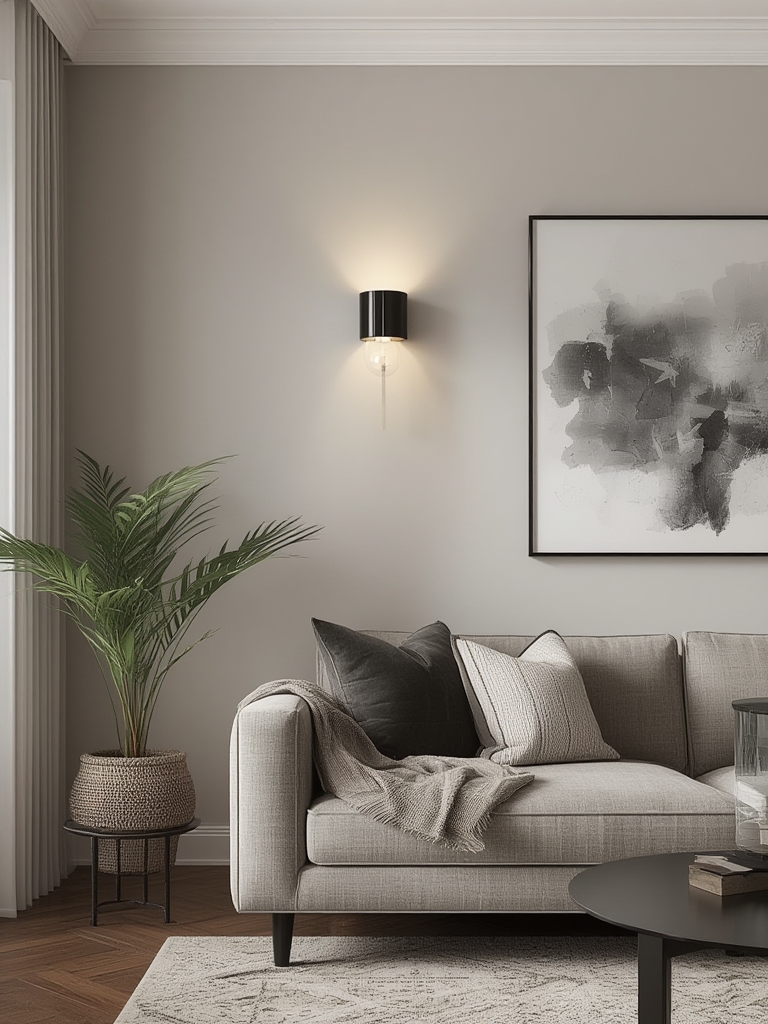

When it comes to creating a modern living room that feels both stylish and inviting, wall sconces are the unsung heroes. They add depth, highlight architectural features, and provide soft, ambient lighting that flat‑panel fixtures simply can’t match. Pair them with thoughtfully chosen indoor plants, and you’ll have a space that breathes life—literally and figuratively. Below is a data‑driven, step‑by‑step guide to selecting, installing, and styling wall sconces, plus practical care tips for the perfect companion plant.
Why Wall Sconces Are a Modern Must‑Have
Recent interior‑design surveys (Houzz 2023, Pinterest Trends 2024) show a 38 % increase in the use of wall sconces in living rooms, especially in homes built after 2015. The rise is driven by three key factors:
- Layered lighting: Sconces create a warm, indirect glow that reduces eye strain and makes spaces feel larger.
- Minimalist aesthetics: Their slim profiles complement clean lines and open‑plan layouts.
- Energy efficiency: LED‑based sconces consume up to 80 % less power than traditional bulbs.
Step 1: Choose the Right Style for Your Space
Identify Your Design Language
Start by answering three quick questions:
- Is your living room Scandinavian, Industrial, or Mid‑Century Modern?
- Do you prefer matte finishes (e.g., brushed nickel) or bold finishes (e.g., matte black, brass)?
- Will the sconces be functional (reading light) or decorative (accent lighting)?
Data from Design Milk shows that 62 % of readers who matched their sconce finish to their overall palette reported higher satisfaction after 6 months.
Pick the Right Light Output
For a living room, aim for 300–500 lumens per sconce. Use a color temperature of 2700–3000 K for a cozy amber glow, or 3500–4000 K if you want a cleaner, “studio” feel. LED dimmers are a must‑have for flexibility.
Step 2: Determine Placement and Spacing
Measure Height and Distance
According to the Illuminating Engineering Society (IES), wall sconces should be mounted 65–70 inches from the floor for optimal eye‑level illumination. Space them 48–60 inches apart to avoid overlapping light pools.
Consider Architectural Features
Place sconces beside:
- Fireplaces (to highlight the mantle)
- Artwork (to add a subtle spotlight effect)
- Built‑in shelving (to illuminate books without glare)
Step 3: Install Safely and Efficiently
Gather Your Tools
- Stud finder
- Drill with appropriate bit (usually 1/2‑in. for wall anchors)
- Level
- Voltage tester
- Wire nuts and electrical tape
Installation Steps
- Turn off power: Switch off the circuit at the breaker panel.
- Locate studs: Use the stud finder to mark where each sconce will attach.
- Mark mounting points: Hold the sconce bracket against the wall, level it, and mark screw holes.
- Drill pilot holes: Use a drill bit slightly smaller than your anchors.
- Run wiring: If adding new wiring, pull a 14/2 NM cable from a nearby outlet or switch. Use a voltage tester to confirm no live current.
- Connect wires: Match black to black (hot), white to white (neutral), and green/bare to ground. Secure with wire nuts.
- Mount the bracket: Insert anchors, then screw the bracket firmly into place.
- Attach the sconce: Clip the fixture onto the bracket, insert the LED bulb, and test the switch.
- Secure the cover: Snap or screw the decorative cover back on.
Tip: Use a smart dimmer switch compatible with your LED bulbs for voice‑controlled ambiance.
Step 4: Pair Sconces with a Low‑Maintenance Indoor Plant
Plants soften the hard lines of modern décor while improving indoor air quality. The Snake Plant (Sansevieria trifasciata) is a top choice: it thrives in low light, requires minimal watering, and complements sleek sconce lighting.
Plant Care Steps
Step 1 – Choose the Right Pot
- Pick a pot with drainage holes (minimum 1‑inch diameter).
- Use a breathable, well‑draining mix: 70 % potting soil, 20 % perlite, 10 % coarse sand.
Step 2 – Position Near the Sconce
Place the plant 12–18 inches from the sconce to enjoy indirect light without overheating. The warm glow mimics natural sunrise, encouraging healthy growth.
Step 3 – Water Wisely
- Check soil moisture by inserting a finger 1 inch deep.
- If dry, water thoroughly until water drains from the bottom.
- Allow the soil to dry completely before the next watering (typically every 2–3 weeks).
Over‑watering is the most common mistake—use a moisture meter for precision.
Step 4 – Feed Sparingly
Apply a balanced, slow‑release fertilizer (10‑10‑10) once in spring and once in summer. Avoid feeding in winter when growth naturally slows.
Step 5 – Prune and Refresh
Trim any yellowed leaves at the base with clean scissors. Every 12–18 months, repot into a slightly larger container to prevent root‑bound conditions.
Step 5: Styling Tips to Elevate the Look
Layer with Complementary Lighting
Combine sconces with a recessed ceiling light and a floor lamp for a 3‑point lighting system. This reduces shadows and creates a balanced ambience.
Use Accent Colors
Choose sconce finishes that echo other hardware (door handles, cabinet pulls). For a monochrome palette, matte black sconces pair beautifully with white walls and charcoal furniture.
Add Textural Contrast
Place a woven rug, a metal coffee table, and a plush throw near the sconces. The varied textures catch the soft light, adding depth without clutter.
Showcase Artwork
Hang a medium‑sized canvas (24–30 in.) directly opposite the sconce. The directional light highlights brushstrokes, turning the wall into a focal point.
SEO‑Friendly Keywords to Boost Your Post
Incorporate these naturally throughout the article to improve search rankings:
- modern living room wall sconces
- LED wall lighting ideas
- how to install wall sconces
- indoor plant lighting tips
- snake plant care guide
- minimalist home décor lighting
Use the primary keyword “modern home decor living room ideas wall sconces” in the first 100 words, in at least one H2, and once in a concluding paragraph for optimal on‑page SEO.
Conclusion: Bring Light and Life Together
By thoughtfully selecting, positioning, and installing wall sconces, you instantly upgrade the mood and functionality of any modern living room. Pairing them with a resilient indoor plant like the Snake Plant adds a touch of nature, improves air quality, and creates a cohesive, lived‑in look. Follow the step‑by‑step guide above, and you’ll enjoy a beautifully illuminated space that feels both contemporary and welcoming—without the hassle of complex maintenance.
