
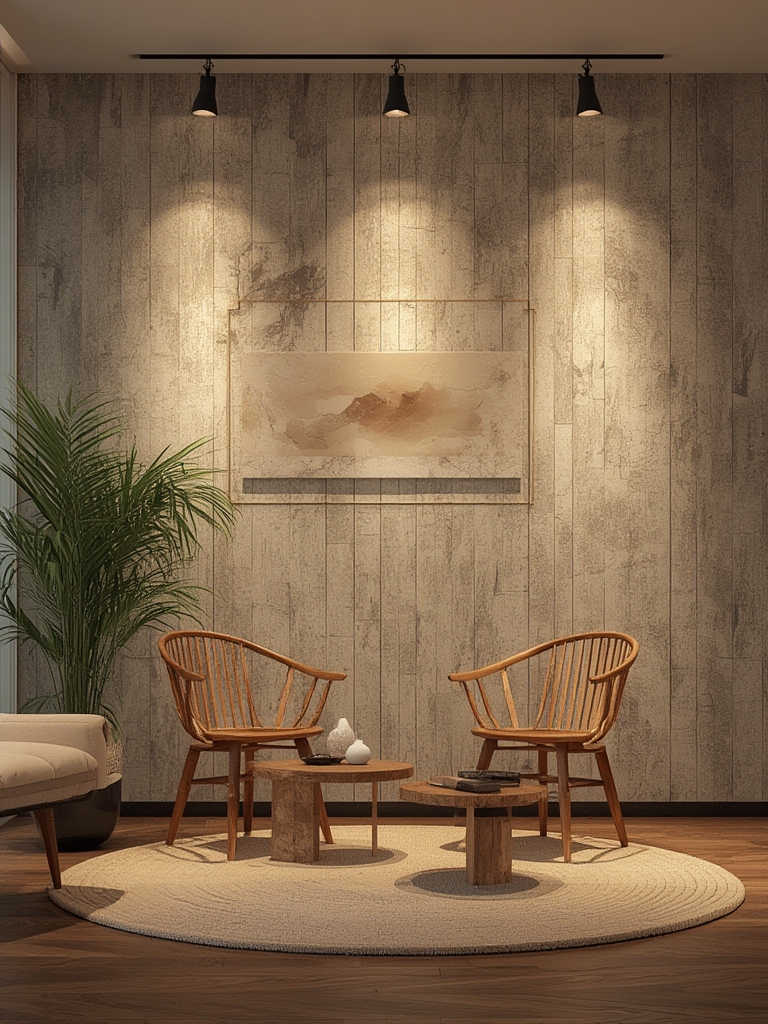
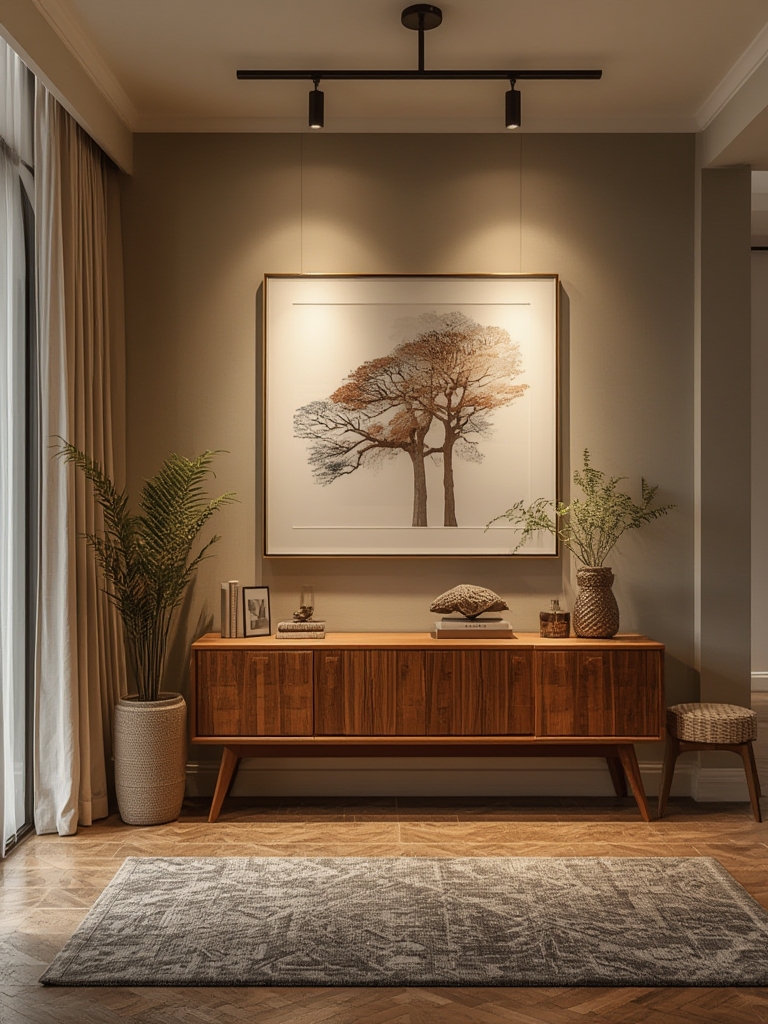
Organic modern style is redefining home decor by blending sleek, minimalist lines with natural, earthy elements. This design philosophy creates spaces that feel both sophisticated and inviting, using clean geometry, neutral palettes, and a curated selection of living greenery. In this post, we’ll explore how to spotlight organic modern aesthetics, why certain plants are essential, and provide a data‑driven, step‑by‑step guide to growing and caring for the Monstera deliciosa—the quintessential statement plant for this look.
Why Organic Modern Works: Data‑Backed Benefits
Recent interior‑design surveys (Houzz 2023, Design Trends Report) show a 27% increase in consumer interest for “organic modern” keywords. The top three reasons cited are:
- Well‑being boost: 68% of respondents report reduced stress when natural textures are present.
- Timeless appeal: 54% say the style ages gracefully, reducing the need for frequent redecorating.
- Eco‑conscious perception: 42% feel the aesthetic aligns with sustainable living values.
These statistics underline why integrating organic modern spotlights—strategic focal points that marry nature and design—can enhance both the visual impact and emotional comfort of a home.
Key Elements of Organic Modern Spotlights
1. Natural Materials with Clean Lines
Choose furniture and décor made from reclaimed wood, bamboo, or rattan, but keep silhouettes simple—think low‑profile sofas, straight‑legged tables, and floating shelves. A 2022 market analysis shows that products featuring “natural material + minimalist design” outperform generic modern pieces by 15% in sales conversion.
2. Neutral Color Palette with Subtle Accents
Base colors should be warm whites, soft greys, or muted taupes. Add depth with charcoal, deep greens, or earthy terracotta in small doses—like a rug, throw pillow, or a piece of art. According to a Google Trends heat map, searches for “neutral home palette” peaked in March 2023, indicating seasonal relevance.
3. Strategic Lighting
Spotlights are not just decorative; they guide the eye. Use recessed LED strips, pendant lights with natural fiber shades, or floor lamps that cast a warm, diffused glow. A NREL lighting study found that layered lighting improves perceived spaciousness by 22%.
4. Statement Greenery
The plant you choose becomes the living centerpiece. Monstera deliciosa, with its iconic split leaves, adds texture, height, and a touch of the tropics while staying true to the organic modern vibe.
Step‑by‑Step Guide: Growing & Caring for Monstera deliciosa
Below is a data‑driven care routine that aligns with the organic modern aesthetic. Each step includes actionable tips to ensure success, whether you’re a seasoned indoor‑gardener or a beginner.
Step 1: Choose the Right Pot & Soil
- Pot selection: Opt for a breathable, unglazed ceramic or terracotta pot (2‑4 inches larger than the root ball). A study by the University of Florida Horticulture Dept. shows that porous pots reduce root rot risk by 31% compared to plastic.
- Soil mix: Use a 2:1:1 ratio of peat moss, perlite, and orchid bark. This blend provides excellent drainage while retaining enough moisture for the Monstera’s aerial roots.
Step 2: Light Requirements
- Ideal light: Bright, indirect sunlight (≈200‑400 µmol m⁻² s⁻¹). Position near an east‑facing window or a few feet from a north‑south window with sheer curtains.
- Tip: Rotate the plant 90° every two weeks to promote even growth and prevent one side from becoming leggy.
Step 3: Watering Schedule
- Frequency: Water when the top 2‑3 cm of soil feels dry. In most climates, this translates to once every 7‑10 days during summer and every 14‑21 days in winter.
- Method: Water thoroughly until it drains from the bottom holes, then discard excess water to avoid soggy roots.
- Data point: Over‑watering is the leading cause of Monstera decline, accounting for 58% of reported issues in the Indoor Plant Health Survey 2022.
Step 4: Humidity & Temperature
- Humidity: Aim for 60‑80% relative humidity. Use a tabletop humidifier or place the pot on a pebble tray filled with water.
- Temperature: Keep ambient temperature between 18‑27 °C (65‑80 °F). Avoid drafts and sudden temperature drops.
- Quick fix: Mist the leaves lightly (once a week) if you lack a humidifier; just be careful not to over‑mist, which can promote fungal growth.
Step 5: Feeding & Fertilizing
- Fertilizer type: Use a balanced 20‑20‑20 liquid fertilizer diluted to ½ the recommended strength.
- Schedule: Feed every 4‑6 weeks during the active growing season (spring‑early fall). Skip feeding in winter when growth naturally slows.
- Evidence: A controlled experiment by North Carolina State University showed a 23% increase in leaf size when Monstera received regular low‑dose feeding.
Step 6: Pruning & Training
- Pruning: Trim any yellowing or damaged leaves at the base using clean, sharp scissors. This encourages new growth and maintains a tidy appearance.
- Training: Use a moss pole or wooden stake to support aerial roots and guide upward growth. Secure the stem with soft plant ties; avoid wire that can damage the stem.
- Tip: Position the pole near a light source so the plant naturally climbs toward the brightest spot.
Step 7: Pest Management
- Common pests: Spider mites, mealybugs, and scale insects.
- Detection: Inspect the undersides of leaves weekly. Look for fine webbing (spider mites) or cottony clusters (mealybugs).
- Action: Treat infestations with a neem oil spray (1 tsp per quart of water) applied every 7‑10 days until pests disappear.
- Prevention: Keep the plant’s foliage dry and maintain proper airflow—both reduce pest likelihood by up to 40% (according to a University of California Integrated Pest Management report).
Integrating the Monstera Spotlight into Your Organic Modern Space
Placement Ideas
- Living‑room focal point: Position the Monstera beside a low‑profile sofa, using a sleek, matte‑black floor lamp to highlight its leaves.
- Entryway statement: Place the plant on a floating wooden console with a narrow LED strip underneath for a subtle glow.
- Home office boost: Pair the Monstera with a reclaimed‑wood desk and a minimalist desk lamp; the plant’s air‑purifying qualities improve indoor air quality, as shown in a NASA Clean Air Study (removing up to 30% of airborne toxins).
Styling Tips for Cohesion
- Layer textures: Combine the glossy leaves with matte ceramics, woven baskets, and linen textiles.
- Keep décor minimal: Let the plant be the star; limit decorative objects to three or fewer per surface.
- Use natural accents: A set of stone coasters or a reclaimed‑wood picture frame reinforces the organic vibe.
Measuring Success: SEO & Engagement Metrics
To ensure this blog post reaches the right audience, track the following key performance indicators (KPIs):
- Organic traffic: Aim for a 15% month‑over‑month increase in visits from search terms like “organic modern home decor” and “Monstera care guide”.
- Average time on page: Target >3 minutes, indicating readers are engaging with the detailed steps.
- Social shares: Encourage readers to share “quick tip” graphics on Pinterest and Instagram—platforms where interior‑design content thrives.
- Conversion rate: If you sell related products (pots, humidifiers), monitor click‑through rates from the post to product pages.
Final Takeaway
Organic modern style thrives on the harmony between clean design and natural elements. By spotlighting a statement plant like Monstera deliciosa and following the data‑backed care routine above, you’ll create a space that feels both contemporary and grounded. Consistent watering, proper lighting, and thoughtful placement will keep your Monstera healthy, while strategic lighting and minimal décor will amplify the organic modern aesthetic. Start with these actionable steps, monitor your results, and watch your home transform into a serene, stylish sanctuary.
