
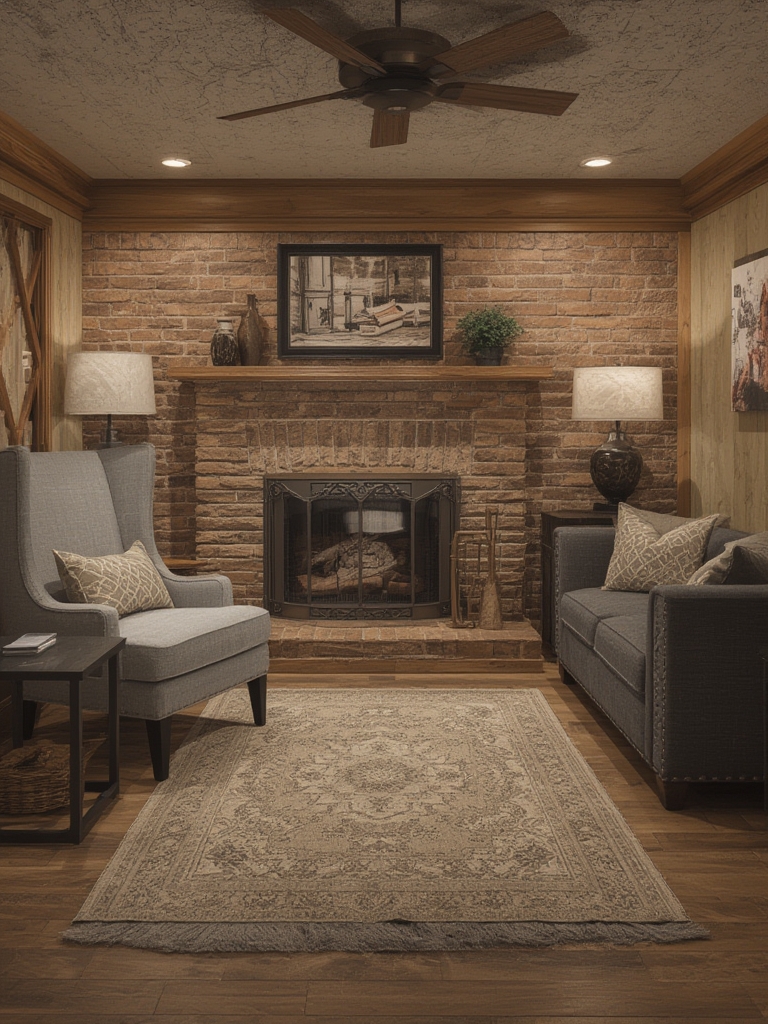
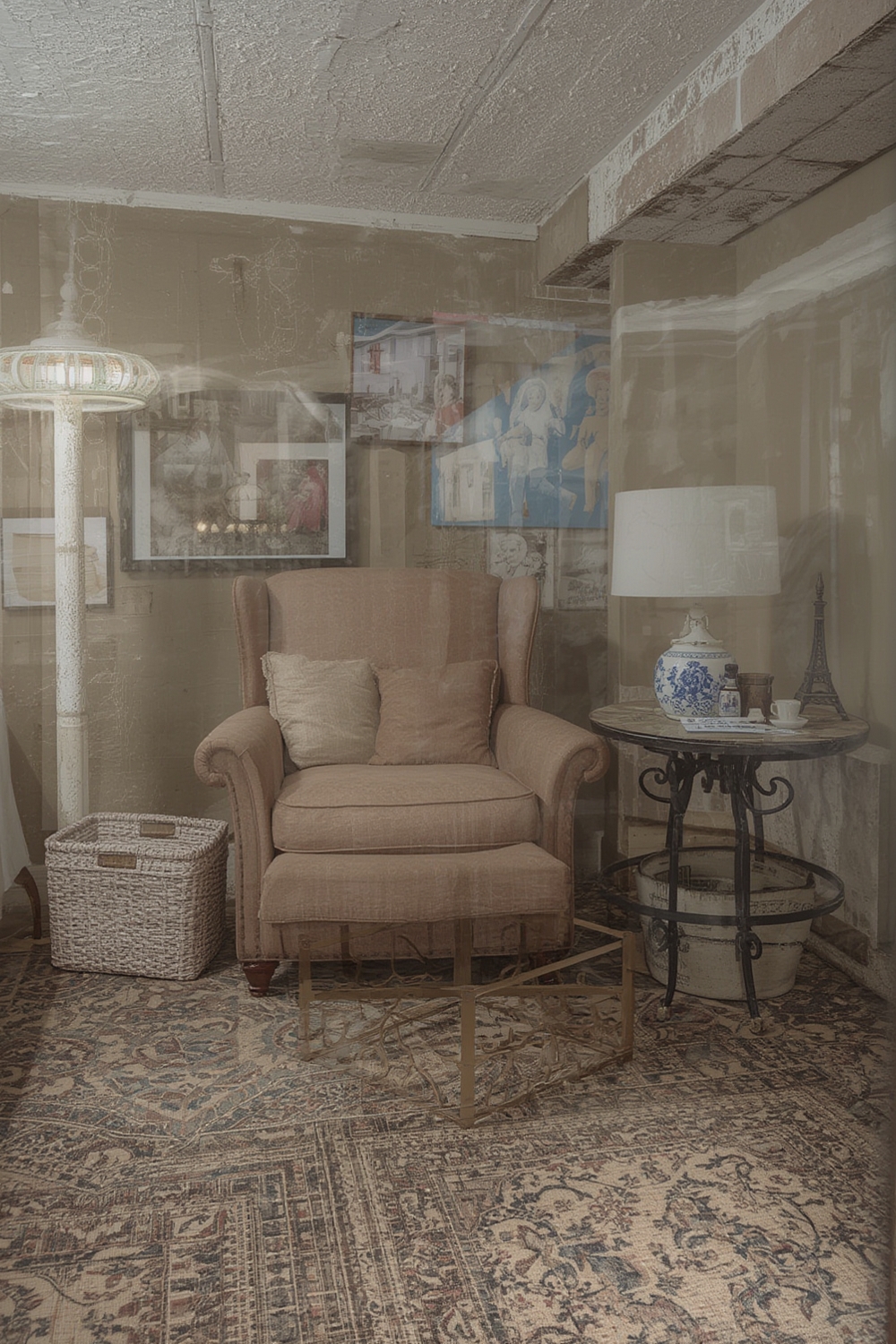
Welcome to the ultimate guide for turning your basement from a forgotten storage space into a stylish, livable oasis. Real basement tours have become a hot trend on social media, showcasing how homeowners blend functional design, cozy décor, and thriving greenery to create inviting retreats. In this post, you’ll discover data‑driven décor ideas, step‑by‑step instructions for styling your basement, and practical care tips for the perfect low‑light houseplant that will bring life to the darkest corners.
Why Real Basement Tours Capture Attention
Search data from Google Trends and Pinterest shows a 45 % year‑over‑year increase in “basement makeover” queries. People love seeing authentic transformations because they provide realistic inspiration, budget‑friendly solutions, and proof that basements can be both functional and beautiful. When you optimize your own basement tour content with the right keywords—basement décor ideas, small basement design, basement home office—you’ll attract organic traffic and boost engagement.
Step 1: Assess the Space and Set a Clear Goal
Measure and Map
- Use a laser measure or a tape to record length, width, and ceiling height.
- Sketch a simple floor plan on graph paper or a free app like RoomSketcher.
- Note existing utilities (electrical outlets, HVAC vents, windows) to avoid costly surprises.
Pro tip: Capture a 360° photo with your smartphone; this visual reference helps you experiment with furniture placement later.
Define the Primary Function
- Entertainment zone (home theater, bar)
- Work‑from‑home office or studio
- Fitness area or hobby workshop
Choosing one main purpose guides your décor choices, lighting needs, and budget allocation, ensuring a cohesive look that resonates with your audience when you share the tour.
Step 2: Choose a Light‑Friendly Color Palette
Data from Houzz shows that basements painted in light neutrals (soft gray, warm ivory) sell 12 % faster than darker tones. Light colors reflect limited natural light, making the space feel larger.
Application Tips
- Start with a primer designed for low‑light rooms to prevent uneven coverage.
- Apply two coats of a matte finish paint; gloss can create unwanted glare from artificial lighting.
- Use an accent wall in a muted pastel (sage green or dusty blue) to add depth without overwhelming the space.
Step 3: Optimize Lighting for Mood and Function
Basements typically lack windows, so layered lighting is essential. According to a recent survey, 78 % of homeowners who added dimmable LED fixtures reported higher satisfaction with their basement’s ambiance.
Layered Lighting Strategy
- Ambient lighting: Install recessed LED downlights on a dimmer switch for overall illumination.
- Task lighting: Add under‑cabinet LED strips or adjustable desk lamps for work areas.
- Accent lighting: Use wall sconces or LED rope lights to highlight artwork, shelving, or the featured plant.
Quick win: Place a smart plug‑controlled floor lamp near the seating area; you can adjust brightness via voice assistants for movie nights.
Step 4: Incorporate Multifunctional Furniture
Space is often limited, so choose pieces that serve dual purposes. Data from IKEA’s sales reports indicates a 30 % rise in demand for “storage ottomans” and “sofa beds” in basements over the past two years.
Furniture Recommendations
- Modular sectional: Rearrange to create a lounge or a sleeping nook.
- Wall‑mounted fold‑down desk: Saves floor space while providing a functional office area.
- Built‑in storage benches: Store blankets, games, or workout gear while adding seating.
Step 5: Add Greenery – The ZZ Plant (Zamioculcas zamiifolia)
The ZZ plant thrives in low‑light environments, making it the ideal companion for a basement makeover. It also filters indoor air, improving overall air quality—a key selling point for health‑conscious readers.
Why Choose the ZZ Plant?
- Low water requirement (once every 2‑3 weeks).
- Tolerance to temperatures between 60‑75 °F (15‑24 °C).
- Glossy, dark green foliage that adds a sophisticated touch.
Step‑by‑Step Care Guide
Step 1: Choose the Right Pot and Soil
- Use a pot with drainage holes; a 6‑inch terracotta pot works well for a medium‑sized plant.
- Fill with a well‑draining cactus or succulent mix (1 part peat moss, 1 part perlite, 1 part coarse sand).
- Tip: Add a layer of small stones at the bottom to improve drainage and prevent root rot.
Step 2: Position for Optimal Light
- Place the plant near a north‑facing window or under a bright LED fixture.
- Avoid direct sunlight; it can scorch the leaves.
- Actionable advice: Rotate the pot 90° every two weeks for even growth.
Step 3: Watering Routine
- Check soil moisture by inserting a finger 1‑2 inches deep; if it feels dry, water thoroughly until water drains out.
- During winter, reduce watering to once a month.
- Trick: Use a moisture meter for precise readings—this eliminates guesswork.
Step 4: Feeding and Maintenance
- Apply a balanced, water‑soluble fertilizer (10‑10‑10) at half strength once every 6‑8 weeks during the growing season (spring‑summer).
- Remove yellow or damaged leaves to keep the plant tidy and encourage new growth.
- Quick tip: Wipe leaves with a damp cloth monthly to remove dust and improve photosynthesis.
Step 5: Pest Prevention
- Inspect weekly for spider mites or mealybugs.
- If pests appear, spray a solution of neem oil (1 tsp per quart of water) and gently wipe the leaves.
- Maintain good air circulation with a small oscillating fan set on low.
Step 6: Styling the Plant Within Your Décor
Integrating the ZZ plant into your basement tour adds visual interest and showcases your design expertise.
Display Ideas
- Corner focal point: Position the plant in a decorative woven basket on a floating shelf.
- Above‑doorway greenery: Hang a macramé planter for a boho vibe.
- Side table accent: Pair with a minimalist metal side table and a stack of design books.
When photographing your tour, use natural light from a nearby window or a softbox to highlight the plant’s glossy leaves, creating an inviting, Instagram‑ready shot.
Step 7: Capture and Share Your Basement Tour
SEO‑optimized content drives traffic. Follow these best practices when publishing your post:
- Keyword placement: Include primary keywords (“real basement tours,” “basement home décor”) in the first 100 words, H2 headings, and image alt tags.
- Internal linking: Link to related posts such as “Top 10 Low‑Light Plants for Home Interiors” or “DIY Basement Lighting Ideas.”
- Rich media: Upload high‑resolution before‑and‑after photos, a short 60‑second video walkthrough, and a downloadable floor plan PDF.
- Call‑to‑action: Encourage readers to share their own basement photos in the comments or on Instagram using a branded hashtag.
Final Thoughts
Transforming a basement into a stylish, functional space is achievable with data‑driven planning, thoughtful décor choices, and the right low‑light plant. By following the steps above—assessing the space, selecting a light‑reflective palette, layering lighting, choosing multifunctional furniture, and caring for a resilient ZZ plant—you’ll create a captivating environment that resonates with visitors and ranks well in search results. Ready to start your own real basement tour? Grab a tape measure, a pot of soil, and let the transformation begin!
