
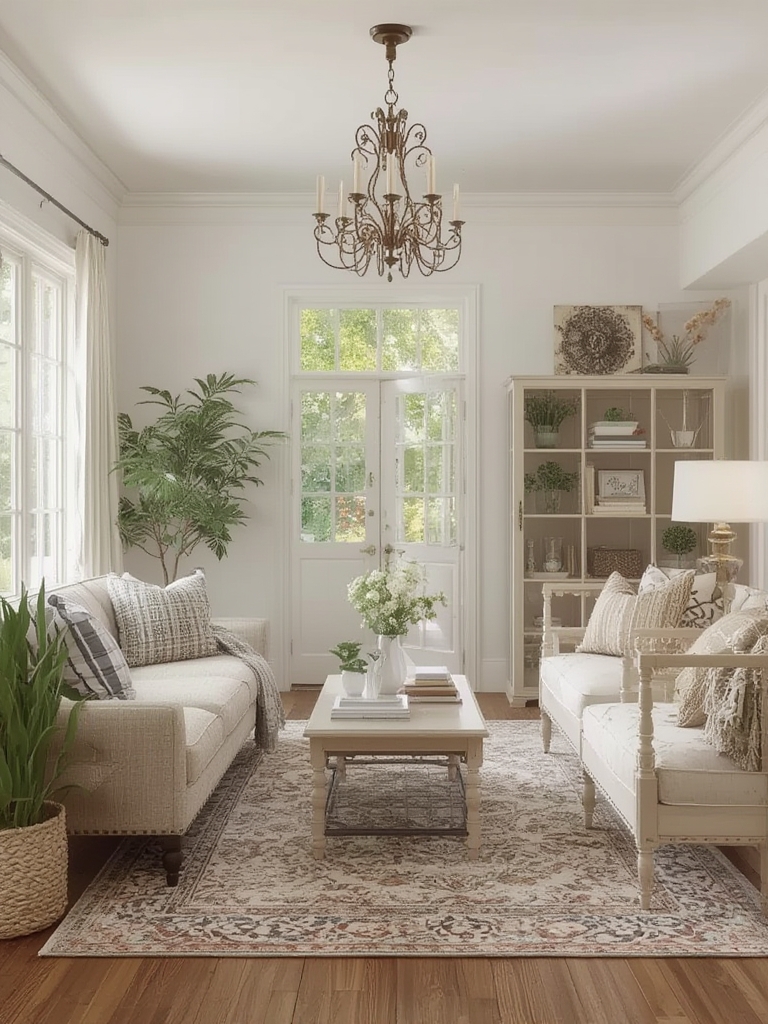

Welcome to the world of real bungalow tours, where timeless architecture meets fresh, curated home decor. One of the most effective ways to elevate a bungalow’s charm is by incorporating lush houseplants that not only add visual interest but also improve indoor air quality. In this guide, we’ll explore how to blend plant‑centric design with classic bungalow aesthetics, and we’ll walk you through a step‑by‑step care routine for the ever‑popular Monstera deliciosa—a plant that instantly adds a tropical, upscale vibe to any room.
Why Plant‑Centric Decor Works in Bungalows
Bungalows are known for their open floor plans, natural light, and connection to the outdoors. Adding greenery amplifies these features by:
- Creating focal points: A large Monstera can become a statement piece in a living‑room corner.
- Balancing textures: The plant’s glossy, perforated leaves contrast beautifully with wooden beams and stone accents.
- Enhancing comfort: Plants regulate humidity and reduce stress, making the bungalow feel more inviting.
Step‑by‑Step Guide to Growing a Healthy Monstera
Step 1: Choose the Right Location
Actionable tip: Place your Monstera near a bright, indirect window—ideally a south‑ or east‑facing spot. Avoid direct midday sun, which can scorch the leaves.
- Check light levels with a simple hand test: if you can comfortably read a book while seated, the light is likely suitable.
- Rotate the pot 90° every two weeks to ensure even growth.
Step 2: Select the Perfect Pot and Soil
Actionable tip: Use a pot with drainage holes and a size that allows 2‑3 inches of space for root expansion.
- Mix one part peat moss, one part perlite, and one part pine bark to create a well‑draining, airy medium.
- Line the bottom with a thin layer of gravel to further improve drainage.
Step 3: Water Wisely
Actionable tip: Water only when the top 2‑3 cm of soil feels dry to the touch.
- Use room‑temperature water to avoid shocking the roots.
- Apply water slowly until it begins to drain from the bottom, then discard excess water to prevent root rot.
Step 4: Feed for Growth
Actionable tip: Fertilize every 4‑6 weeks during the growing season (spring to early fall) with a balanced 20‑20‑20 liquid fertilizer diluted to half strength.
- Skip feeding in winter when the plant’s growth naturally slows.
- Observe new leaf emergence; a healthy green color indicates proper nutrition.
Step 5: Prune and Propagate
Actionable tip: Trim any yellowing or damaged leaves at the base of the stem with clean, sharp scissors.
- To propagate, cut a 6‑inch stem with at least two nodes, place it in water or moist sphagnum moss, and wait for roots to develop (usually 2‑4 weeks).
- Once roots are 2‑3 cm long, pot the cutting in fresh soil.
Step 6: Manage Pests Naturally
Actionable tip: Inspect leaves weekly for spider mites, mealybugs, or aphids.
- Wipe affected areas with a soft cloth dipped in diluted neem oil (1 teaspoon per quart of water).
- Maintain good air circulation by occasionally opening windows or using a gentle fan.
Integrating the Monstera into Bungalow Decor
Now that your Monstera is thriving, let’s place it strategically to maximize aesthetic impact:
- Living‑room corner: Position the plant beside a mid‑century modern sofa; the large leaves echo the clean lines of the furniture.
- Entryway statement: Use a decorative woven basket pot to welcome guests with a burst of green.
- Patio transition: Place the Monstera on a sun‑protected patio table to blur the line between indoor and outdoor spaces.
SEO‑Friendly Content Tips for Your Bungalow Tour Blog
To ensure your post ranks high in search results, follow these quick SEO actions:
- Keyword placement: Use “real bungalow tours,” “home decor,” and “Monstera care” naturally in the first 100 words, headings, and meta description.
- Internal linking: Link to related posts such as “Top 5 Houseplants for Small Spaces” or “DIY Bungalow Wall Art Ideas.”
- Image optimization: Include high‑resolution photos of the Monstera in a bungalow setting, and add descriptive alt text like “Monstera deliciosa in a sunlit bungalow living room.”
- Readability: Keep sentences under 20 words, use bullet points, and break up text with
<h2>and<h3>tags for easy scanning. - Call‑to‑action: End with a prompt such as “Share your favorite bungalow plant in the comments!” to boost engagement.
Final Thoughts
Combining real bungalow tours with thoughtful plant‑centric decor creates a living space that feels both historic and fresh. By following the simple, data‑driven steps for Monstera care, you’ll ensure your plant remains healthy, vibrant, and ready to steal the spotlight in any room. Remember, consistency is key—regular watering, proper lighting, and occasional pruning will keep your Monstera thriving for years to come. Happy touring, decorating, and growing!
