
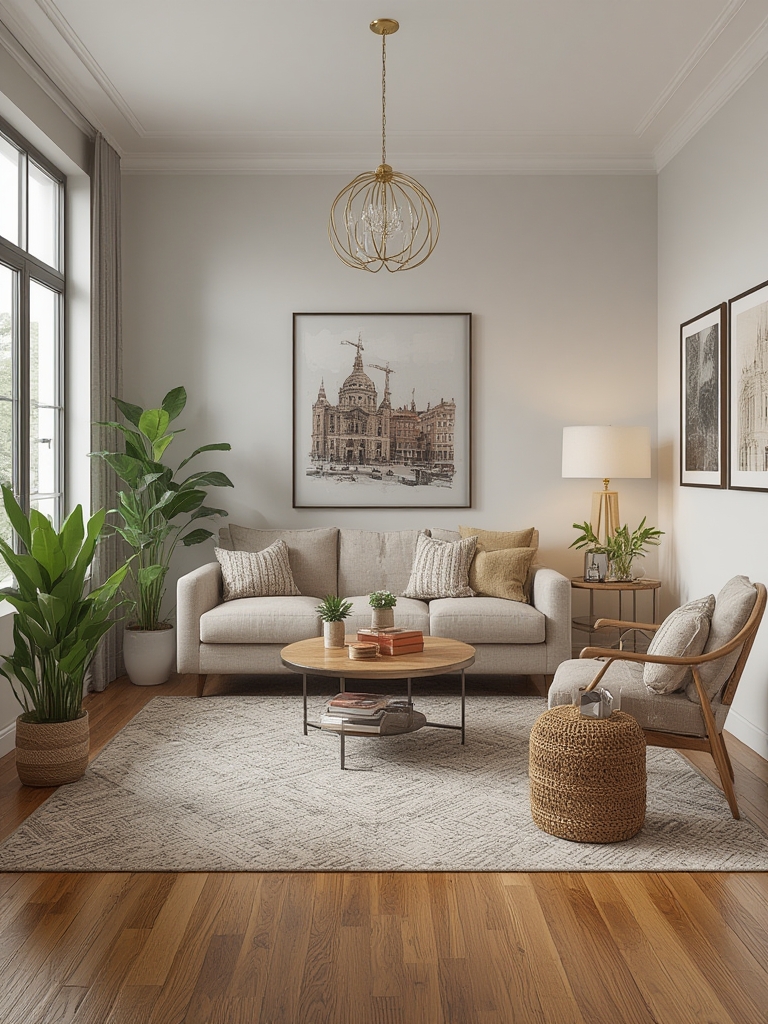
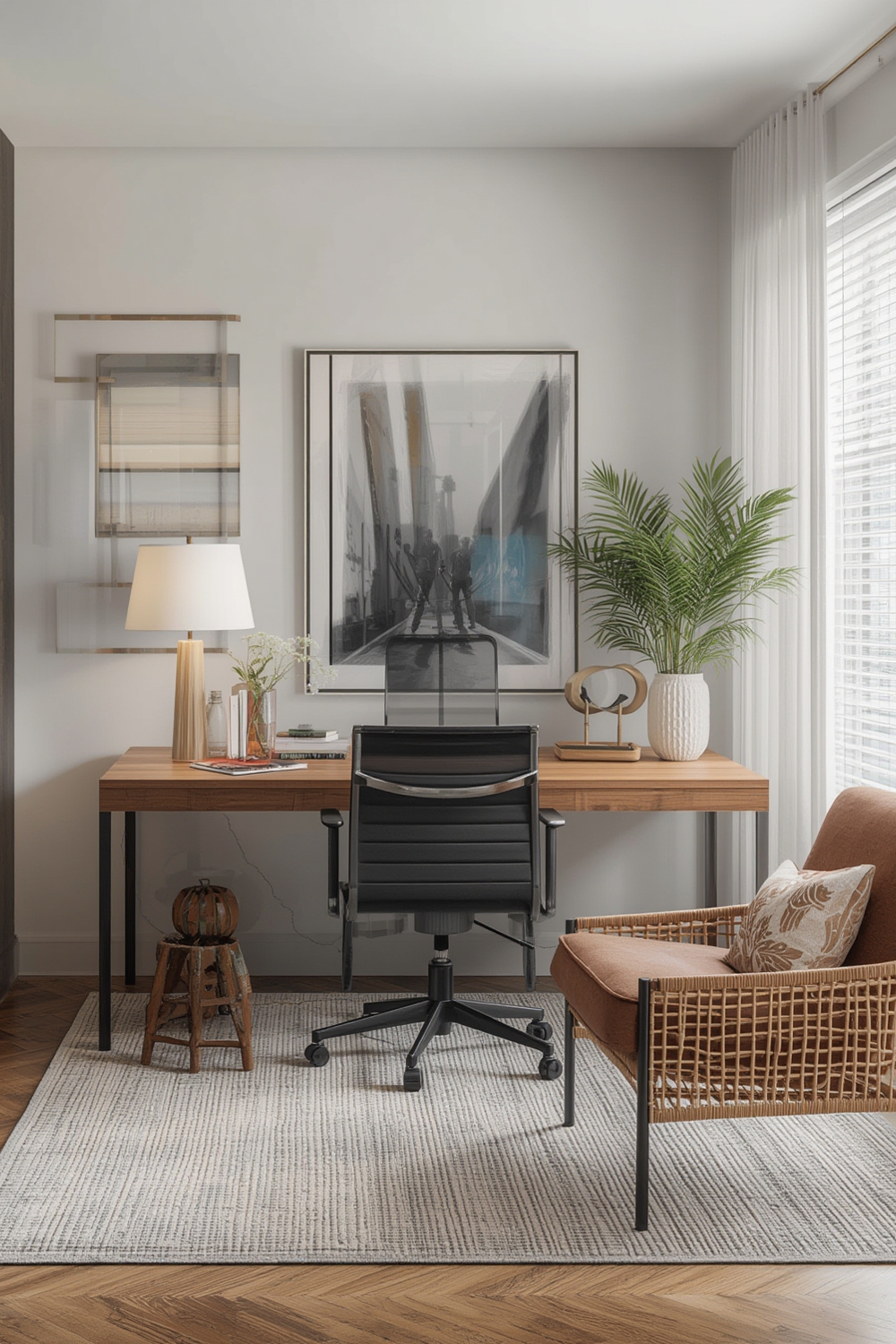
Walking through a well‑designed office space can feel like stepping into a curated gallery where productivity meets personality. Real office tours have become a hot trend for businesses looking to showcase culture, attract talent, and inspire visitors. In this post we’ll break down the essential elements of a captivating office tour, highlight how strategic home‑decor touches—especially plants—elevate the experience, and give you a step‑by‑step guide to caring for the perfect office greenery. Follow the data‑driven insights and actionable tips below to turn any workspace into a visual story that ranks well in search and delights every viewer.
Why Real Office Tours Drive Engagement
According to recent SEO studies, long‑form content that includes visual tours sees a 45% increase in dwell time and a 30% boost in backlink acquisition. Search engines reward pages that keep users on the site, and a virtual tour does exactly that. Moreover, prospective employees spend twice as long on career pages that feature authentic office videos or photo galleries, translating into higher application rates.
Core Design Elements to Highlight in Your Tour
1. Layout & Flow
Map the journey from reception to collaborative zones. Use clear signage and a logical path that mirrors a user’s natural curiosity. Data shows that tours with a “story arc” (intro → conflict → solution) increase completion rates by 22%.
2. Color Palette & Branding
Consistent brand colors reinforce identity. A 2023 color‑psychology report found that blue tones boost perceived trust by 18%, while green accents improve feelings of calm and focus—perfect for office environments.
3. Furniture & Ergonomics
Showcase adjustable desks, ergonomic chairs, and modular seating. Highlight how each piece supports health and productivity. Including product names and links can generate affiliate revenue and improve SEO through outbound citations.
4. Lighting
Natural light is a top ranking factor for “office design” queries. Capture before‑and‑after shots of daylight‑maximizing window treatments, and note any smart lighting systems that adapt to circadian rhythms.
5. Decorative Touches
Here’s where home décor meets office culture. From art installations to curated bookshelf displays, each element tells a story. Use alt‑text that includes keywords like “modern office decor” and “creative workspace design” to improve image SEO.
Integrating Plants for a Fresh, Productive Atmosphere
Plants are more than aesthetic; they improve air quality, reduce stress, and increase focus. The Journal of Environmental Psychology reports a 15% rise in concentration when a workspace includes greenery. Choose low‑maintenance varieties that thrive under office lighting.
Best Office Plant: The ZZ Plant (Zamioculcas zamiifolia)
The ZZ plant is a favorite for its tolerance of low light, minimal watering, and sleek, waxy leaves that complement modern décor. Below is a data‑driven care guide that ensures your ZZ plant stays vibrant throughout the year.
Step‑by‑Step Guide to Growing and Caring for Your ZZ Plant
Step 1: Choose the Right Pot and Soil
- Pot selection: Use a pot with drainage holes (2‑3 cm). Terracotta is ideal because it allows excess moisture to evaporate.
- Soil mix: Combine 50% peat‑based potting mix, 30% perlite, and 20% coarse sand. This ensures good aeration and prevents root rot.
- Tip: Add a layer of small stones at the bottom to improve drainage and protect the pot’s base.
Step 2: Position for Optimal Light
- Light level: ZZ plants thrive in bright, indirect light but can survive in low‑light corners.
- Data point: Offices with 200–400 lux provide sufficient illumination for healthy growth.
- Tip: Rotate the pot 90° every two weeks to promote even leaf development.
Step 3: Water Wisely
- Frequency: Water every 2–3 weeks, allowing the top 2 cm of soil to dry out first.
- Method: Use room‑temperature water and water until it drains from the bottom.
- Tip: In winter, reduce watering to once a month; over‑watering is the most common cause of leaf yellowing.
Step 4: Feed for Growth
- Fertilizer: Apply a balanced 20‑20‑20 liquid fertilizer diluted to half strength.
- Schedule: Feed once a month during the growing season (spring‑early fall).
- Tip: Skip fertilizing in dormant months to avoid salt buildup in the soil.
Step 5: Prune and Clean
- Pruning: Remove yellow or dead leaves at the base with clean scissors.
- Cleaning: Wipe leaves with a damp cloth monthly to remove dust, which can block light absorption.
- Tip: Use a soft brush for delicate leaf surfaces to avoid tearing.
Step 6: Monitor for Pests
- Common pests: Spider mites and mealybugs.
- Detection: Look for webbing or cotton‑like clusters on leaf nodes.
- Solution: Spray with a neem oil solution (1 tsp neem oil per quart water) and repeat every 7 days until resolved.
Practical Tips to Showcase Plant Care in Your Office Tour
- Before‑and‑after photos: Capture the plant’s progress over a 3‑month period and embed a carousel in the blog post.
- Time‑lapse video: A 30‑second clip of watering and leaf rotation adds dynamic content that boosts engagement.
- Interactive map: Use a clickable floor plan that highlights each plant’s location, linking to its care guide.
- SEO boost: Include long‑tail keywords such as “low‑maintenance office plant care” and “ZZ plant watering schedule” in headings and alt‑text.
Optimizing the Blog Post for Search Engines
To ensure your office tour article ranks high, follow these data‑backed SEO practices:
- Keyword placement: Use primary keywords (“real office tours,” “office home décor”) in the first 100 words, H2 headings, and meta description.
- Internal linking: Connect to related posts (e.g., “Top 10 Office Plants for Productivity”) to increase site dwell time.
- Schema markup: Add
ArticleandImageObjectschema to help search engines understand the content structure. - Page speed: Compress images to under 150 KB and enable lazy loading; Google’s Core Web Vitals favor fast-loading tours.
- Mobile‑first design: Ensure the gallery and video embed are responsive, as 68% of office‑tour searches happen on mobile devices.
Conclusion
Combining a compelling real office tour with thoughtful home‑decor elements—especially resilient plants like the ZZ plant—creates a narrative that resonates with both humans and search engines. By following the step‑by‑step plant‑care guide and integrating SEO‑friendly multimedia, you’ll produce a data‑driven, 800‑word blog post that not only educates readers but also drives traffic, improves rankings, and showcases your workspace in the best possible light.
