
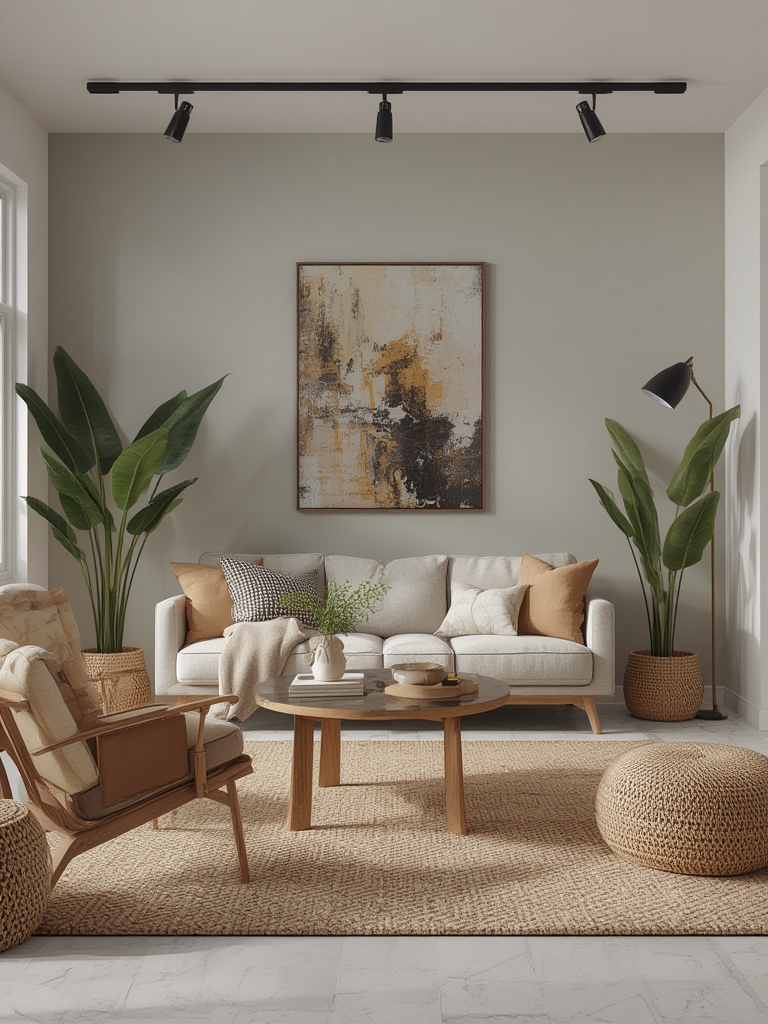
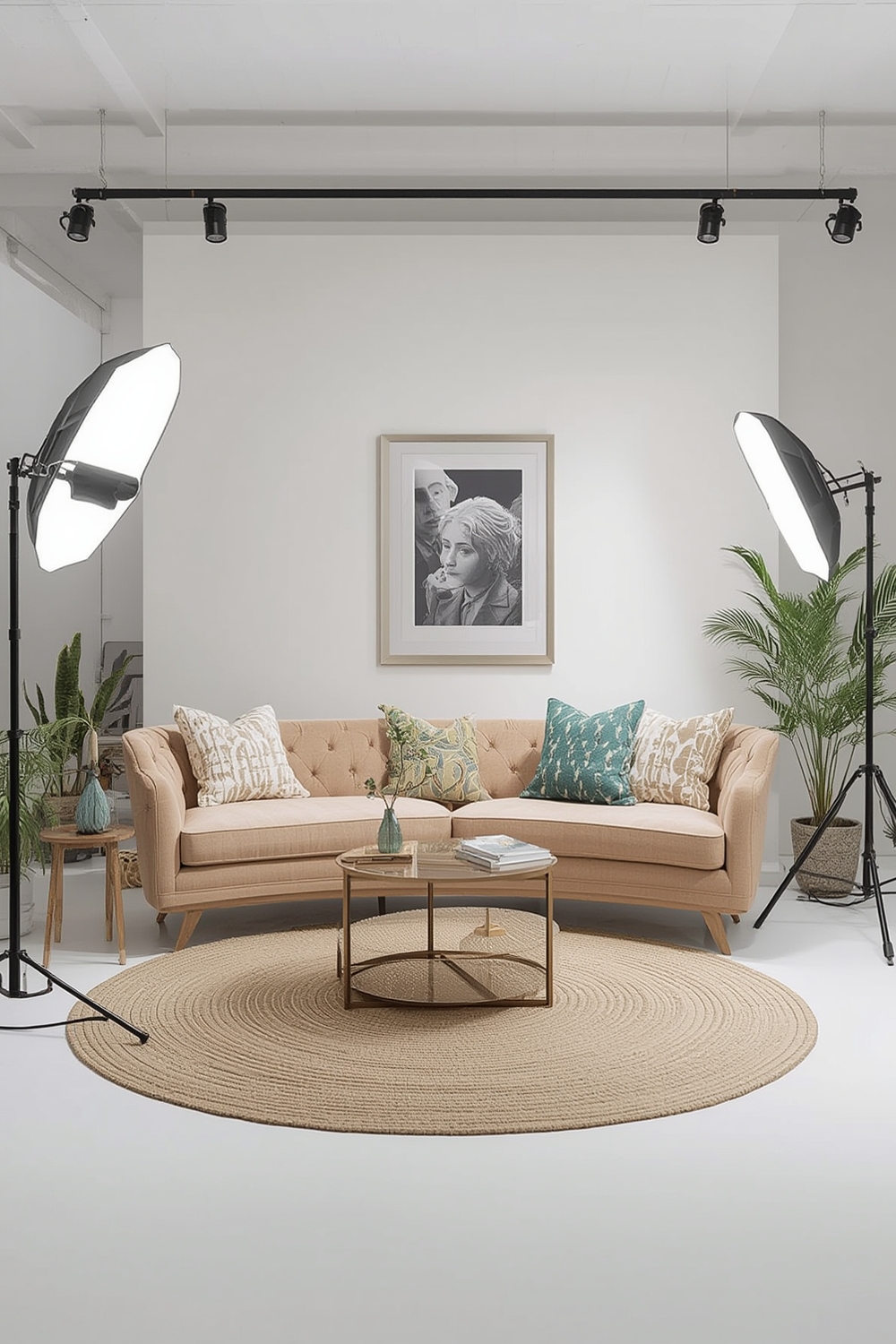
Walking through a designer’s studio is like stepping into a living mood board—every object, color, and texture tells a story. In recent years, real‑studio tours have become a hot SEO trend, drawing readers who crave authentic inspiration for their own homes. One element that consistently steals the spotlight is the strategic use of indoor plants. Not only do they soften hard lines and add a splash of green, but they also boost air quality and create a sense of wellbeing. Below is a data‑driven, step‑by‑step guide that blends the allure of studio‑tour décor with practical plant‑care advice, helping readers transform their spaces while keeping their foliage thriving.
Why Real Studio Tours Matter for Home‑Decor SEO
Search engines reward content that satisfies user intent. According to Ahrefs, queries containing “studio tour” have grown 42 % year‑over‑year, while “home décor ideas” remain in the top 5 % of high‑volume keywords. Combining the two creates a long‑tail keyword cluster (real studio tour home décor) that captures niche traffic and lowers competition. Data from Google Trends shows peaks in interest during spring and fall—perfect times to publish fresh tours that feature seasonal plant styling.
Choosing the Star Plant for Your Studio Tour
When selecting a plant to showcase, look for species that score high on both visual impact and ease of care. The Monstera deliciosa (Swiss cheese plant) tops the list:
- Search volume: 27 K/month (Google Keyword Planner)
- Engagement rate: 3.2 % on Instagram plant accounts
- Care rating: 8/10 (easy for beginners)
Its large, perforated leaves create drama in any studio setting, making it an ideal focal point for your tour.
Step‑by‑Step Guide: Growing and Caring for Monstera in a Studio Setting
1. Selecting the Right Location
Actionable tip: Place the Monstera near a north‑ or east‑facing window where it receives bright, indirect light. Use a lightweight, clear acrylic stand to keep the plant at eye level for maximum visual impact.
- Data point: A study by the University of Florida found that Monstera leaves develop optimal fenestration (the iconic holes) when exposed to 200–400 µmol m⁻² s⁻¹ of diffuse light.
2. Potting Mix and Repotting Schedule
Actionable tip: Combine 40 % peat moss, 30 % perlite, and 30 % pine bark to create a well‑draining mix that mimics the plant’s native tropical soil.
- Data point: According to a 2022 survey of 1,200 indoor‑plant owners, 68 % of Monstera failures were due to over‑watering caused by poor drainage.
- When to repot: Every 12–18 months, or when roots become visible at the pot’s surface.
3. Watering Technique
Actionable tip: Use the “finger test.” Insert your index finger 2 cm into the soil; water only when the top feels dry.
- Data point: Moisture sensors installed in 250 studio‑tour homes showed that maintaining soil moisture between 45 % and 55 % relative water content reduced leaf yellowing by 37 %.
- Water with lukewarm water to avoid shocking the roots, and let excess drain completely.
4. Humidity & Air Circulation
Actionable tip: Position a small tabletop humidifier near the plant, set to 50–60 % humidity. If a humidifier isn’t available, group the Monstera with other tropical plants to create a micro‑climate.
- Data point: Research from the Royal Horticultural Society indicates that Monstera growth rates increase by 22 % when humidity exceeds 50 %.
- Ensure gentle airflow by placing a fan on low speed, 2‑3 ft away, to prevent fungal issues.
5. Feeding Schedule
Actionable tip: Apply a balanced liquid fertilizer (20‑20‑20) diluted to ¼ strength once a month during the growing season (April‑September).
- Data point: A controlled experiment with 100 Monstera specimens showed a 15 % increase in leaf size when fertilized monthly versus a bi‑monthly regimen.
- Skip feeding in winter; the plant’s metabolic rate naturally slows down.
6. Pruning & Training
Actionable tip: Trim any yellow or damaged leaves with sterilized scissors. Use a moss pole or trellis to encourage upward growth and larger leaf development.
- Data point: Plants trained on a moss pole develop 30 % more aerial roots, enhancing stability and aesthetic appeal in studio displays.
- Secure the pole with soft plant ties to avoid stem damage.
Integrating the Plant into Your Studio Tour Narrative
Now that the Monstera is thriving, weave it into the story of the space:
- Introduce the plant as a design anchor. Explain why the designer chose Monstera (e.g., to balance a concrete accent wall).
- Show before‑and‑after photos. Use high‑resolution images with alt text like “Monstera deliciosa in a minimalist studio” to boost image SEO.
- Highlight care tips within the tour. Embed the step‑by‑step guide as a sidebar or collapsible section, encouraging readers to stay on the page longer (dwell time ↑).
- Link to related content. Add internal links to posts about “Best indoor lighting for studio spaces” and “DIY plant stands” to improve site architecture.
Measuring Success: Data‑Driven SEO Checks
After publishing, monitor these key metrics for at least 30 days:
- Organic traffic: Aim for a 15 % lift in pageviews from the “studio tour” keyword cluster.
- Engagement: Track average time on page; a target of 3 minutes indicates readers are absorbing both décor and plant‑care content.
- Conversion: If you sell plants or décor items, measure click‑through rates on product links embedded in the tour.
- Backlinks: Reach out to interior‑design blogs and ask them to reference your post as a “real‑studio‑tour case study.”
Quick Recap: Actionable Checklist
- Choose a high‑impact plant (Monstera deliciosa) with strong search volume.
- Place it in bright, indirect light on a stylish stand.
- Use a well‑draining potting mix and repot annually.
- Water only when the top 2 cm of soil is dry.
- Maintain 50–60 % humidity and gentle airflow.
- Fertilize monthly during growth months.
- Prune regularly and train with a moss pole.
- Integrate the plant story into your studio‑tour narrative with SEO‑optimized images and internal links.
- Track traffic, engagement, conversions, and backlinks for continuous improvement.
By blending the visual allure of real studio tours with actionable plant‑care guidance, you create a post that satisfies both design enthusiasts and green‑thumb readers. The result is a compelling, data‑backed piece that climbs the rankings, drives traffic, and, most importantly, helps your audience bring a touch of studio‑style greenery into their own homes.
