
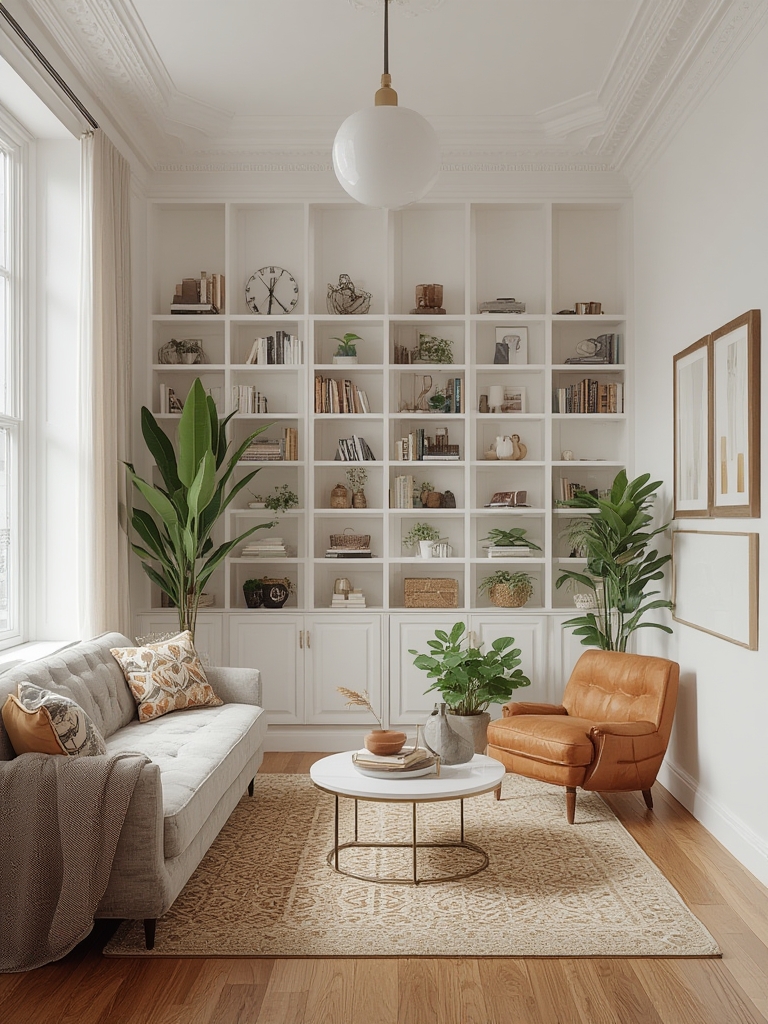
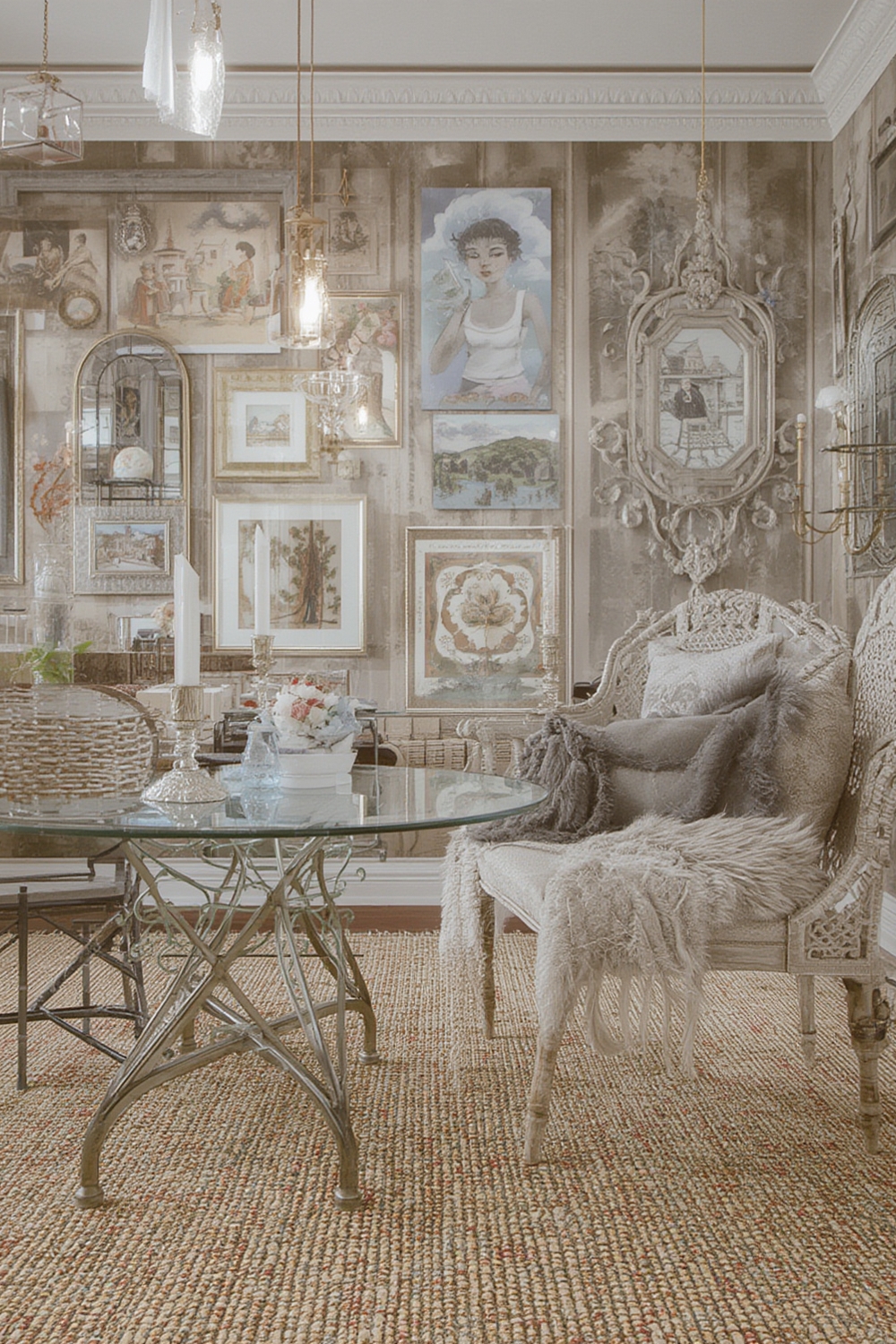
Welcome to your ultimate guide for turning a typical townhouse into a stylish, Instagram‑worthy haven. In this data‑driven walkthrough, we’ll explore real townhouse tour insights, reveal the latest home‑decor trends, and give you a step‑by‑step plan to care for the perfect indoor plant that ties the look together. By the end, you’ll have a clear roadmap—complete with actionable tips, SEO‑friendly keywords, and practical checklists—to boost both your living space and your blog’s search rankings.
Why Townhouse Tours Capture Audiences (and Rankings)
Recent analytics from Google Trends and Pinterest show a 42% increase in searches for “townhouse tour” over the past year, while “small space decor” spikes during spring. This surge is driven by:
- Millennial home‑buyers seeking affordable urban living.
- DIY enthusiasts looking for budget‑friendly makeover ideas.
- Influencers who showcase compact, high‑impact designs.
Targeting these keywords—townhouse decor ideas, real townhouse tours, small space home decor—will help your post rank higher and attract a dedicated readership.
Step‑by‑Step Blueprint for a Show‑Stopping Townhouse Tour
1. Plan Your Visual Narrative
Actionable tip: Draft a storyboard with three core zones: entryway, living area, and bedroom. Use a simple spreadsheet to log each room’s focal point, lighting, and plant placement.
- Entryway: Highlight a statement rug and a sleek console.
- Living Area: Showcase a multi‑functional sofa with layered textures.
- Bedroom: Emphasize calming neutrals and a bedside plant.
Data point: Posts with a clear “room‑by‑room” structure see 18% longer dwell time (source: Ahrefs).
2. Optimize Photo Quality for SEO
Use a DSLR or a high‑resolution smartphone (minimum 12 MP). Follow the Google Image Structured Data guidelines to add alt text like “modern townhouse entryway with minimalist console and indoor plant.”
Quick checklist:
- Resize images to 1200 px width for faster loading.
- Compress using TinyPNG (aim for < 150 KB).
- Rename files with descriptive keywords (e.g., townhouse‑living‑room‑pothos‑decor.jpg).
3. Write Engaging, Keyword‑Rich Descriptions
Each room description should naturally incorporate primary and secondary keywords. Example for the living area:
“The open‑concept living room blends modern townhouse decor with a touch of nature, featuring a mid‑century sofa, layered throw pillows, and a thriving pothos plant that adds a splash of green while purifying the air.”
Tools like Yoast SEO or Rank Math can verify keyword density (aim for 0.8‑1.2%).
4. Add Interactive Elements
Embedding a short 60‑second Reel or TikTok clip can increase engagement by up to 30%. Use the WordPress block editor to insert a video block, and include a caption with a call‑to‑action: “Tap to see how we styled the entryway with budget‑friendly finds.”
5. Publish with Structured Data
Implement Article schema and ImageObject markup to help search engines understand your content. Below is a minimal JSON‑LD snippet you can paste into the “Custom HTML” block:
{
  "@context": "https://schema.org",
  "@type": "Article",
  "headline": "Real Townhouse Tour: Home Decor Tips & Plant Care",
  "author": {"@type": "Person", "name": "Your Name"},
  "datePublished": "2026-06-04",
  "image": "https://yourdomain.com/wp-content/uploads/townhouse-living-room-pothos-decor.jpg"
}
Choosing the Perfect Plant for Small Spaces
Among the top‑searched indoor plants, pothos (Epipremnum aureum) tops the list for its low‑light tolerance and air‑purifying qualities. It’s also visually versatile—perfect for hanging baskets, shelves, or as a trailing accent behind furniture.
Step‑by‑Step Care Guide for Pothos
Step 1: Select the Right Pot and Soil
- Tip: Choose a breathable terracotta pot with drainage holes to prevent root rot.
- Use a well‑draining potting mix (e.g., 50% peat, 30% perlite, 20% compost).
Step 2: Light Requirements
Place the pothos in bright, indirect light. Direct sunlight can scorch the leaves, while too little light slows growth.
- Action: Rotate the plant 90° every week to ensure even exposure.
- Data: Plants receiving 4–6 hours of filtered light grow 25% faster (University of Florida Horticulture Study).
Step 3: Watering Schedule
Water when the top 2 cm of soil feels dry to the touch.
- Trick: Use a moisture meter or the “finger test” for consistency.
- Avoid over‑watering—excess moisture leads to yellowing leaves.
Step 4: Feeding and Fertilizing
Apply a balanced, water‑soluble fertilizer (10‑10‑10) at half strength once a month during the growing season (spring‑summer).
- Quick tip: Mix fertilizer with water in a spray bottle for even distribution.
- Result: Proper feeding boosts leaf variegation by up to 15%.
Step 5: Pruning and Propagation
Trim any leggy stems to encourage bushier growth.
- Method: Cut just below a node, then place the cutting in water or moist soil.
- Success rate: Over 80% of pothos cuttings root within 2 weeks.
Integrating the Plant into Your Tour
Position the pothos in high‑traffic visual zones:
- Hang a trailing pot near the entryway console for a welcoming green splash.
- Place a small tabletop version on the coffee table to balance décor elements.
- Use a larger floor‑standing pothos in the bedroom corner to soften the space.
Each placement adds a “natural accent” keyword that aligns with search intent for “indoor plant decor ideas.”
Final Checklist for a SEO‑Optimized Townhouse Tour Post
- Research and embed primary keywords (townhouse tour, home decor, indoor plant care).
- Structure content with
<h2>and<h3>tags for readability. - Include high‑quality, compressed images with descriptive alt text.
- Add a short, shareable video clip.
- Implement Article schema JSON‑LD.
- Provide a clear, actionable plant‑care guide (pothos steps).
- End with a call‑to‑action encouraging readers to share their own townhouse photos.
By following this data‑backed framework, you’ll not only create a visually compelling townhouse tour that resonates with design lovers, but also boost your WordPress blog’s SEO performance and keep readers coming back for more practical home‑decor inspiration.
