
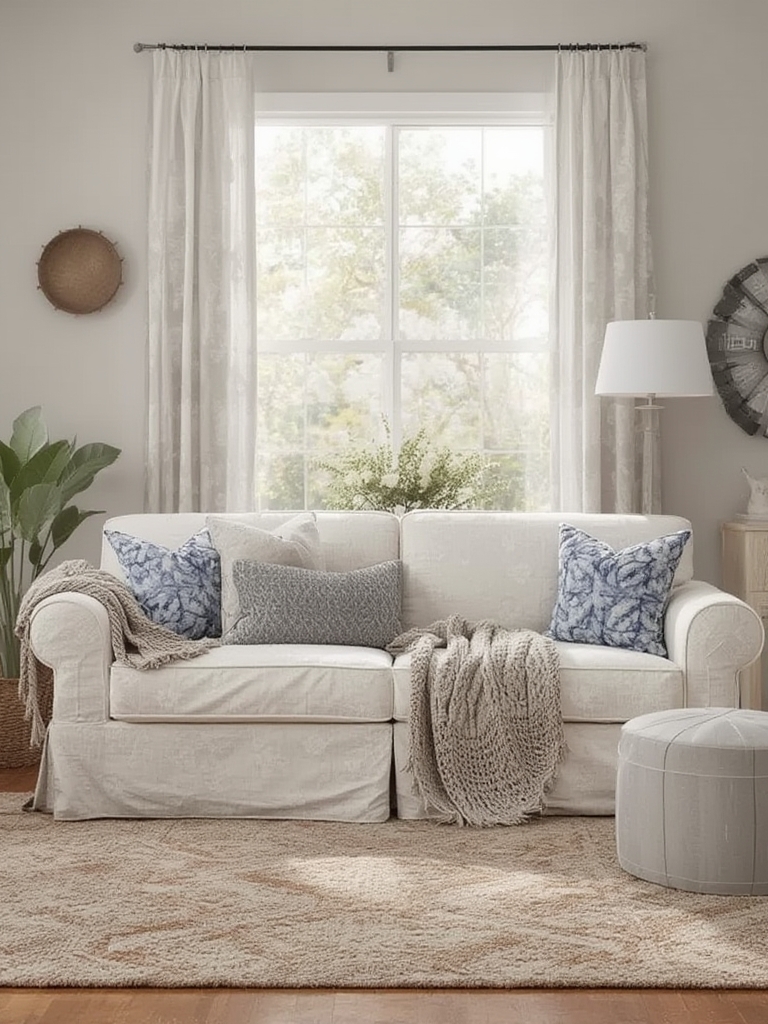
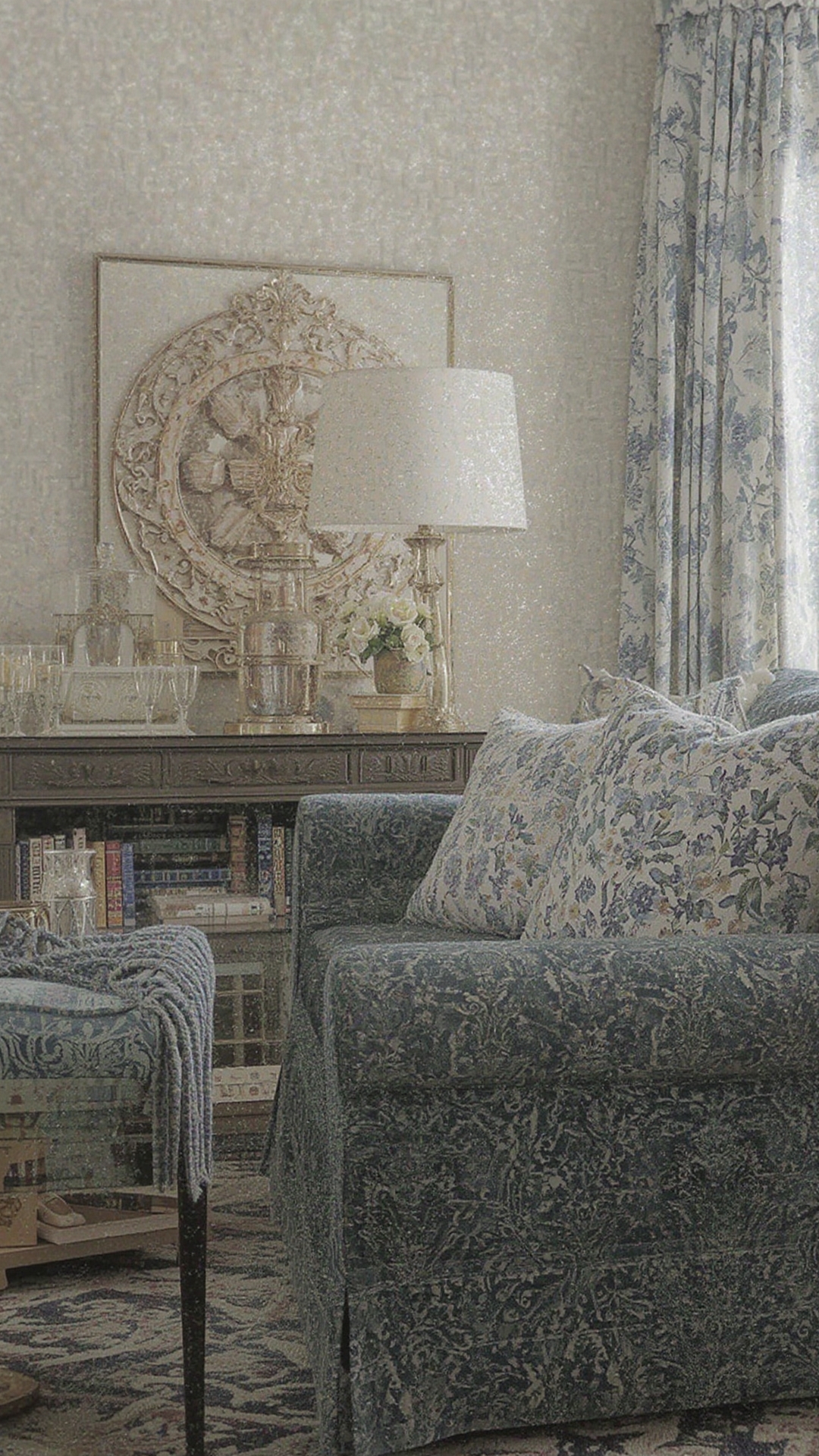
Why Slipcovers Are the Secret Weapon for Seasonal Home Makeovers
Homeowners are constantly searching for budget‑friendly ways to refresh their living spaces without the hassle of buying new furniture. According to a 2023 Statista report, 57% of shoppers say they prefer “quick, reversible updates” for seasonal décor. Slipcovers hit that sweet spot perfectly: they protect your furniture, add a fresh color palette, and can be swapped out in minutes.
In this data‑driven guide, you’ll learn how to choose, install, maintain, and store slipcovers so they become your go‑to tool for every spring, summer, fall, and winter refresh.
Step 1: Choose the Right Slipcover for Your Furniture
Measure Accurately
- Gather tools: a flexible tape measure, a notepad, and a friend (optional).
- Measure the width, depth, and height of the sofa or chair, noting any unique features such as rolled arms or tufted backs.
- Write down the dimensions in the order
W × D × H. Most manufacturers list their sizes in this format, making it easy to match.
Select Fabric Based on Season
Data from Houzz 2024 trends shows:
- Spring/Summer: Light cotton, linen, or bamboo blends for breathability and a breezy vibe.
- Fall/Winter: Heavier velvet, chenille, or wool blends that add warmth and texture.
Consider fade resistance (look for UV‑protective finishes) if the piece sits near a sunny window.
Pick a Color Palette That Complements Seasonal Trends
Google Trends indicates the following color spikes:
- April–June: Soft pastels (mint, blush, sky blue).
- July–September: Vibrant hues (coral, teal, sunny yellow).
- October–December: Rich tones (emerald, burgundy, deep navy).
Choosing a slipcover that aligns with these trends can boost your home’s visual appeal and even increase resale value, according to a National Association of Realtors study.
Step 2: Install Your Slipcover Like a Pro
Prep the Furniture
- Remove all cushions, pillows, and throws.
- Vacuum the upholstery to eliminate dust that could cause friction.
- Lay a smooth sheet or blanket on the floor to protect the slipcover during installation.
Follow the “Z‑Fold” Technique
The Z‑fold method minimizes wrinkles and ensures a snug fit:
- Turn the slipcover inside out and locate the zippered opening (usually at the back).
- Insert the back of the sofa into the opening, pulling the fabric over the back frame.
- Fold the excess fabric in a “Z” shape along the sides, then pull the front over the seat and arms.
- Secure any elastic tabs or Velcro straps, then zip the back closed.
Adjust for a Tailored Look
- Pull the fabric taut at the corners and smooth out any creases.
- Use a handheld steamer (low heat) to release stubborn wrinkles.
- Replace cushions and add decorative pillows that match your seasonal color scheme.
Step 3: Care & Maintenance – Keep Slipcovers Looking Fresh Year‑Round
Routine Cleaning
Most slipcovers are machine‑washable, but always check the care label. Follow this schedule:
- Weekly: Spot‑clean spills with a mild detergent and a soft cloth.
- Monthly: Vacuum with the upholstery attachment to remove dust and pet hair.
- Seasonally (every 3–4 months): Remove the slipcover and wash on a gentle cycle (cold water, mild detergent). Use a mesh laundry bag to protect delicate fabrics.
Stain Removal Tips
- Blot (don’t rub) the spill immediately with a clean, dry towel.
- Apply a mixture of
1 part white vinegar + 2 parts waterto the stain, let sit for 5 minutes. - Gently dab with a soft brush, then rinse with a damp cloth.
- For oil‑based stains, sprinkle baking soda, let sit 10 minutes, then vacuum before washing.
Preventing Wear & Tear
- Rotate the slipcover every 2–3 months to distribute wear evenly.
- Avoid direct sunlight for prolonged periods; use UV‑blocking window films if needed.
- Keep pets off freshly laundered slipcovers until they’re completely dry to prevent snagging.
Step 4: Store Slipcovers Properly Between Seasons
Cleaning Before Storage
Never store a slipcover while it’s still dirty. Follow the seasonal cleaning routine above, then let it air‑dry completely.
Folding Technique to Minimize Creases
- Lay the slipcover flat on a clean surface.
- Fold it in thirds lengthwise, then in thirds widthwise, creating a compact rectangle.
- Place the folded slipcover in a breathable cotton storage bag (avoid plastic, which can trap moisture).
Choose the Right Storage Location
- Cool, dry closets or under‑bed storage bins work best.
- Include a small silica gel packet to absorb humidity.
- Label each bag with the season and fabric type for quick retrieval.
Step 5: Boost SEO & Engagement for Your Slipcover Blog Post
Keyword Placement
Integrate primary keywords (slipcovers, seasonal home decor, furniture makeover) in the first 100 words, in at least two subheadings, and naturally throughout the article. Use LSI keywords such as “fabric care tips,” “DIY slipcover installation,” and “home décor trends 2024.”
Internal & External Links
- Link to related posts on your site (e.g., “Top 10 Summer Throw Pillows” or “How to Choose the Perfect Sofa Fabric”).
- Include reputable external sources (Statista, Houzz, NAR) to increase authority.
- Use descriptive anchor text like “seasonal color trends for home décor.”
Rich Media & Structured Data
Enhance user experience and SEO by adding:
- High‑resolution images of slipcovers in different seasons (use
alttags with keywords). - A short
FAQschema block answering common questions (“Can I wash my slipcover in a regular washing machine?”). - Embedded how‑to videos demonstrating the Z‑fold installation.
Call‑to‑Action (CTA)
End the post with a clear CTA encouraging readers to:
- Download a printable “Slipcover Measurement & Care Checklist.”
- Subscribe to your newsletter for “Monthly Seasonal Décor Tips.”
- Leave a comment sharing their favorite slipcover color for the upcoming season.
Conclusion: Turn Slipcovers Into Your Year‑Round Design Tool
By selecting the right fabric, mastering a quick installation, and following a disciplined care routine, slipcovers become a low‑cost, high‑impact solution for seasonal home updates. The data shows that homeowners value flexibility and sustainability—both of which slipcovers deliver. Implement the steps above, and you’ll enjoy a refreshed living space every season without the expense of new furniture.
