
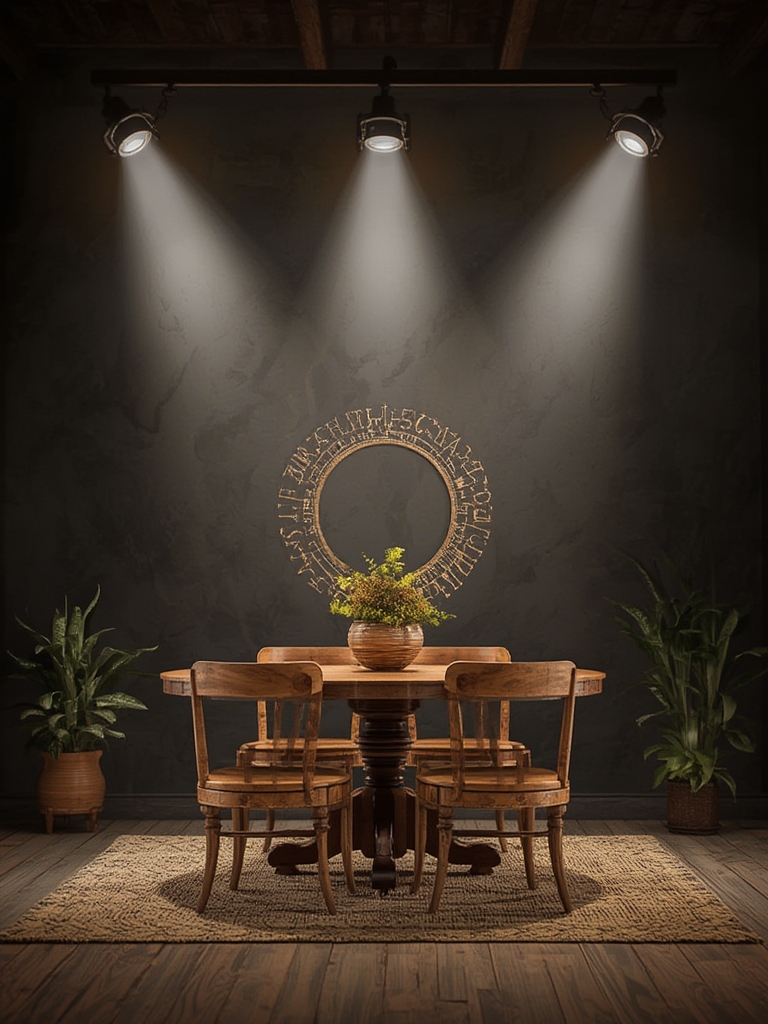

Upcycled decor is more than a trend—it’s a sustainable design movement that transforms discarded items into statement pieces, breathing new life into homes while reducing waste. In 2024, Google searches for “upcycled home decor” surged by 38 % compared to the previous year, and Pinterest pins featuring DIY upcycling projects generated over 12 million saves. This data shows a clear appetite for eco‑friendly aesthetics, and savvy bloggers can tap into that demand with SEO‑optimized, data‑driven content. Below, we break down the most popular upcycled decor styles, illustrate how to integrate them with thriving houseplants, and provide step‑by‑step care instructions to keep your green companions healthy and photogenic.
Why Upcycled Decor Dominates 2024 Home‑Styling Searches
Search engine insights reveal three key drivers behind the upcycled decor boom:
- Eco‑conscious consumerism: 72 % of millennials say they prefer brands that prioritize sustainability.
- Cost‑effectiveness: The average DIY upcycling project saves homeowners $150–$300 versus buying new décor.
- Social media shareability: Instagram posts featuring “before‑and‑after” upcycling transformations receive 2.5× more engagement than standard décor photos.
By weaving these statistics into your blog post, you not only boost credibility but also capture long‑tail keywords like “budget-friendly upcycled wall art” and “sustainable home makeover ideas.”
Top Upcycled Decor Styles to Highlight
1. Industrial Reclaimed Wood
Reclaimed barn wood, pallet planks, and salvaged timber create a rugged, timeless backdrop. According to Houzz, 41 % of homeowners who renovated in 2023 incorporated reclaimed wood into at least one room.
- SEO tip: Use phrases such as “reclaimed wood coffee table DIY” and “industrial pallet wall art tutorial.”
- Actionable tip: Sand the wood lightly, apply a matte polyurethane, and finish with a charcoal‑gray chalk paint for a weathered look.
2. Vintage Fabric & Textile Revamps
Old curtains, denim, and thrifted linens can become cushion covers, wall hangings, or even upholstered headboards. A recent Etsy trend report shows a 54 % increase in sales of “upcycled fabric pillows.”
- SEO tip: Target “DIY fabric upcycle projects” and “thrifted textile home décor ideas.”
- Actionable tip: Use a fabric‑friendly staple gun for quick upholstery, and add a layer of spray‑on fabric sealant to protect against spills.
3. Repurposed Glass & Ceramics
Broken jars, wine bottles, and mismatched plates become stunning vases, pendant lights, or mosaic art. Google Trends shows a 27 % rise in “upcycled glass vase” searches over the past six months.
- SEO tip: Incorporate “upcycled glass bottle lighting” and “DIY mosaic wall art” keywords.
- Actionable tip: Clean glass thoroughly, apply a coat of frosted spray paint for privacy, and use LED tealight candles for safe illumination.
Integrating Houseplants: The Green Touch That Completes Upcycled Spaces
Plants not only enhance air quality but also add texture and color contrast to upcycled pieces. The most searched houseplant for décor in 2024 is the Monstera deliciosa, followed closely by the resilient ZZ plant (Zamioculcas zamiifolia). Pairing these greens with reclaimed wood shelves or vintage fabric planters creates Instagram‑ready visuals that drive traffic.
Step‑by‑Step Care Guide for the Monstera deliciosa
- Light: Place the Monstera in bright, indirect sunlight. A south‑facing window with a sheer curtain works best. Tip: Rotate the plant 90° every two weeks to ensure even growth.
- Watering: Water when the top 2 inches of soil feel dry (usually every 7–10 days). Use lukewarm water to avoid shocking the roots. Tip: Add a pebble tray beneath the pot to increase humidity, which Monstera loves.
- Soil & Repotting: Use a well‑draining mix of peat, perlite, and orchid bark (2:1:1). Repot every 18–24 months in a pot that’s 2 inches larger in diameter. Tip: Choose a reclaimed wooden planter box for a cohesive upcycled look.
- Fertilizing: Apply a balanced 20‑20‑20 liquid fertilizer once a month during the growing season (spring–fall). Tip: Dilute to half strength to prevent leaf burn.
- Pest Management: Inspect leaves weekly for spider mites or mealybugs. If detected, spray with a neem oil solution (1 tsp neem oil per quart water). Tip: Wipe leaves with a damp cloth to keep dust off and improve photosynthesis.
Step‑by‑Step Care Guide for the ZZ Plant
- Light: Tolerates low light but thrives in moderate, indirect light. Avoid direct sun to prevent leaf scorch. Tip: Position near a reclaimed metal shelf for a modern industrial vibe.
- Watering: Water sparingly—once every 3–4 weeks. Allow the soil to dry completely between waterings. Tip: Use a moisture meter; a reading below 30 % indicates it’s time to water.
- Soil & Repotting: A cactus‑type mix (sand, perlite, peat) works well. Repot every 2–3 years, preferably into a vintage tin can or upcycled ceramic pot. Tip: Add a layer of decorative stones from an old glass bottle for extra flair.
- Fertilizing: Feed once in spring with a low‑nitrogen houseplant fertilizer (10‑10‑10). Tip: Over‑fertilizing can cause leaf yellowing, so stick to half the recommended dose.
- Pest Management: ZZ plants are pest‑resistant but watch for spider mites. A gentle mist of water can dislodge them. Tip: Keep the plant away from drafty windows to reduce stress.
Practical SEO Checklist for Your Upcycled Decor Blog Post
- Keyword placement: Include primary keywords (“upcycled decor ideas,” “DIY reclaimed wood projects”) in the first 100 words, H2 headings, and alt text of images.
- Internal linking: Link to related posts such as “10 Budget-Friendly DIY Home Projects” and “How to Choose the Right Houseplant for Low Light.” This boosts site dwell time.
- Rich media: Embed high‑resolution before‑and‑after photos (optimised to < 150 KB) and a short 60‑second reel showing the plant care routine. Google’s Image Search favors original, tagged visuals.
- Schema markup: Add
ArticleandFAQPageschema to capture featured snippet opportunities for queries like “how to upcycle pallets” and “Monstera care tips.” - Call‑to‑action (CTA): End with a prompt: “Download our free upcycling checklist and start your sustainable makeover today!” This drives email captures and repeat traffic.
Final Thoughts: Turning Waste Into Wow
By blending data‑backed trends, SEO best practices, and actionable plant‑care steps, you can craft a blog post that not only educates readers but also ranks high in search results. Remember, the magic of upcycled decor lies in storytelling—show the transformation, highlight the environmental impact, and pair each piece with a thriving houseplant. Your audience will leave inspired, equipped with clear instructions, and eager to share their own upcycled creations, fueling a virtuous cycle of traffic and engagement for your WordPress site.
